

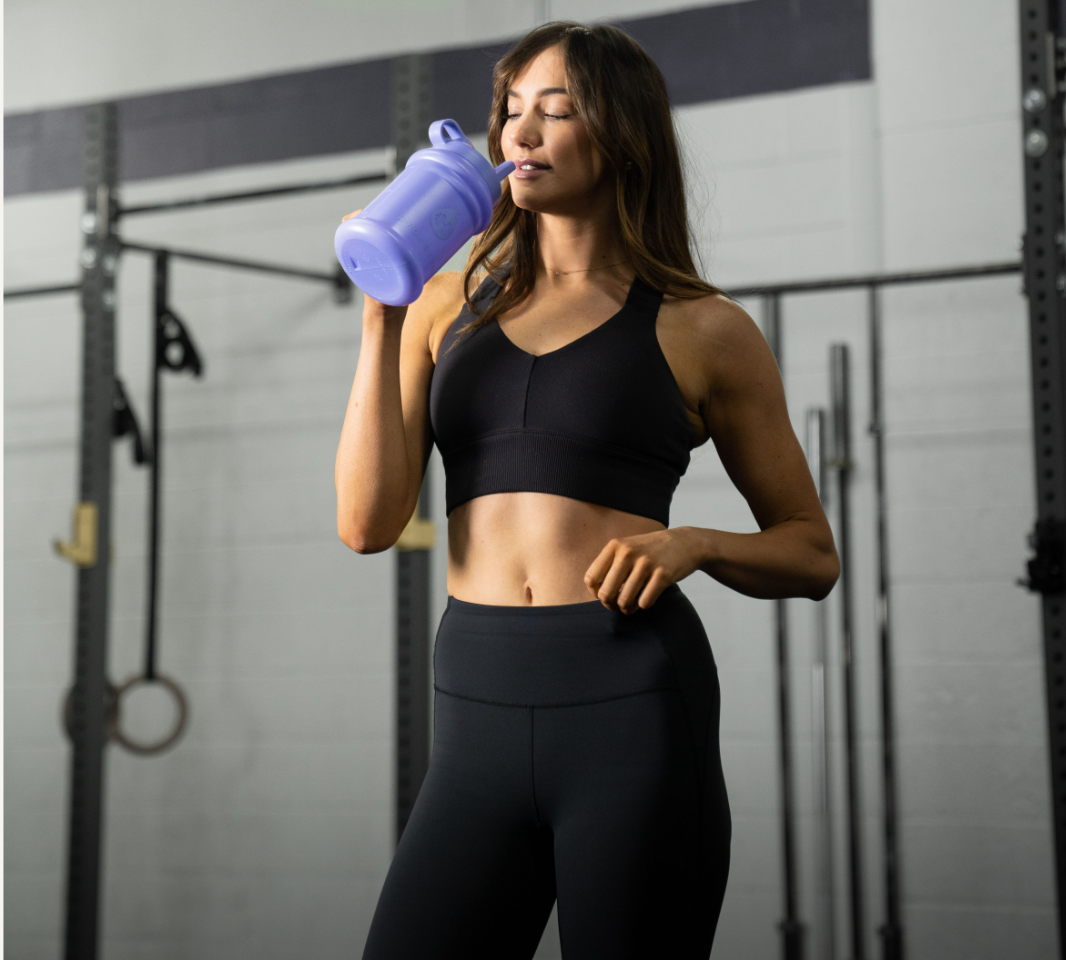
5 Signs You're Dehydrated While Working Out
Staying hydrated is always important – but it becomes even more critical during workouts. When hydration drops, muscles fatigue faster, endurance decreases, and performance suffers.
The question most people ask is simple: how much water is enough?
How Much Water Should You Drink While Working Out?
Hydration needs vary depending on body size, sweat rate, workout intensity, and environment – but there are general guidelines most athletes can follow.
A common recommendation is:
- Drink 8 oz of water 20–30 minutes before exercise
- Drink 7–10 oz every 10–20 minutes during exercise
- Drink another 8 oz within 30 minutes after exercise
Athletes should also focus on overall daily hydration, not just workout hydration.
How Much Water Is Too Much?
Overhydration is less common than dehydration, but it can happen.
Your kidneys can process roughly 0.8–1 liter (about 27–34 oz) per hour. Drinking significantly more than that in a short period may dilute sodium levels in the blood, which can lead to a condition called hyponatremia.
Symptoms of overhydration can include:
- Headache
- Nausea
- Confusion
- Swelling
- Fatigue
The key is steady, consistent intake – not chugging excessive amounts at once.
Are Electrolyte Drinks Good for You?
Electrolytes play an important role during intense or long workouts – especially in heat.
Sweat doesn’t just remove water; it also removes sodium and other minerals. Replacing electrolytes can help maintain fluid balance and support muscle contractions.
Electrolytes can be replenished through:
- Salty foods (like pretzels)
- Sports drinks
- Electrolyte powders
- Homemade mixes
For a deeper explanation of when electrolytes are helpful, see how do electrolytes help you hydrate.
At-Home Electrolyte Drink
If you prefer a simple homemade option:
- 3.5 cups water
- ½ cup orange juice
- 2.5 tbsp honey
- ¼ tsp salt
Shake or stir until dissolved.
5 Signs You’re Dehydrated While Working Out
Your body usually gives warning signs before performance drops significantly.
Watch for:
- Dizziness or lightheadedness
- Muscle cramps
- Dry mouth
- Lack of sweating
- Fast or pounding heartbeat
If you experience these symptoms, take a break, drink water, and consider electrolytes if you’ve been sweating heavily.
How the Right Water Bottle Helps
Hydration becomes much easier when water is accessible.
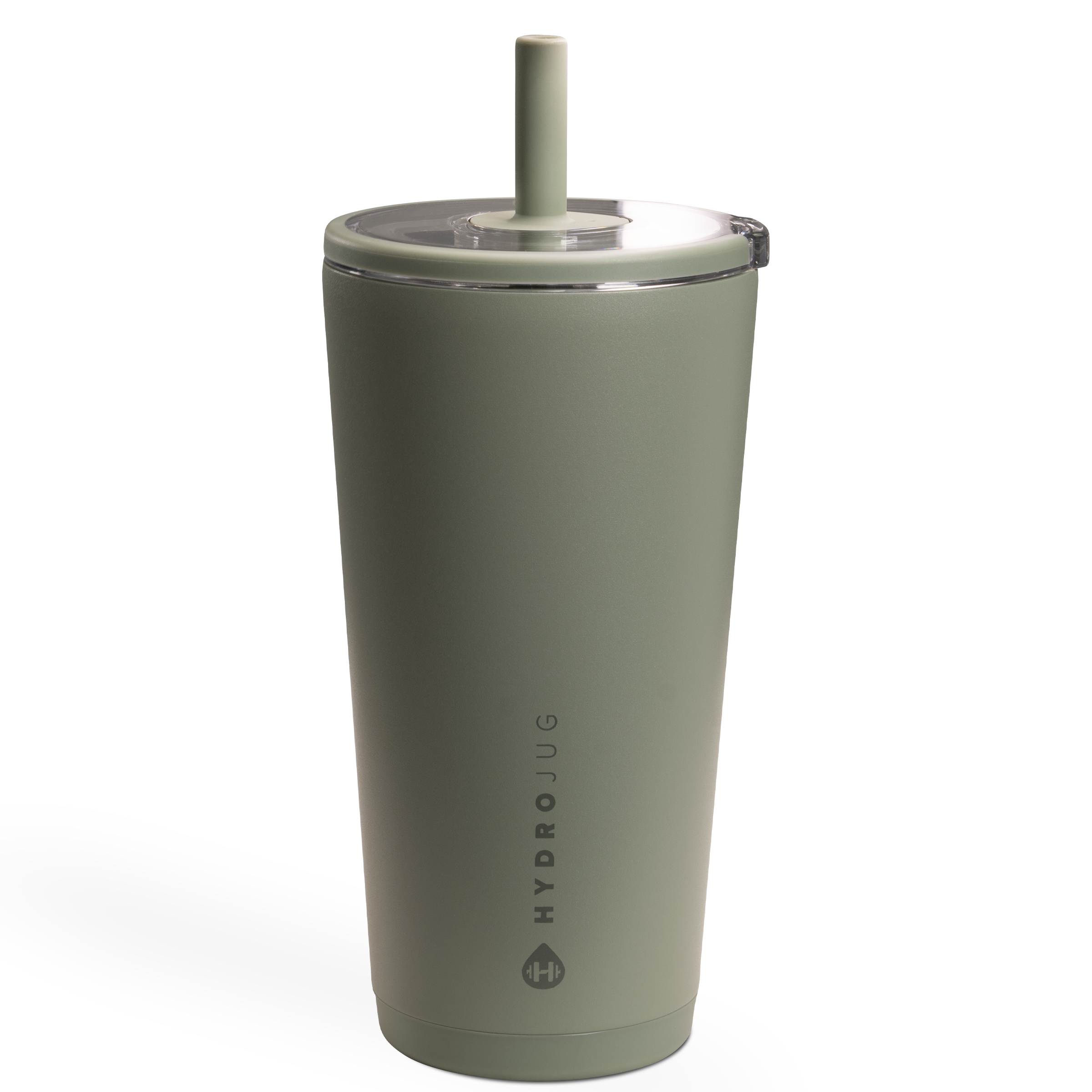
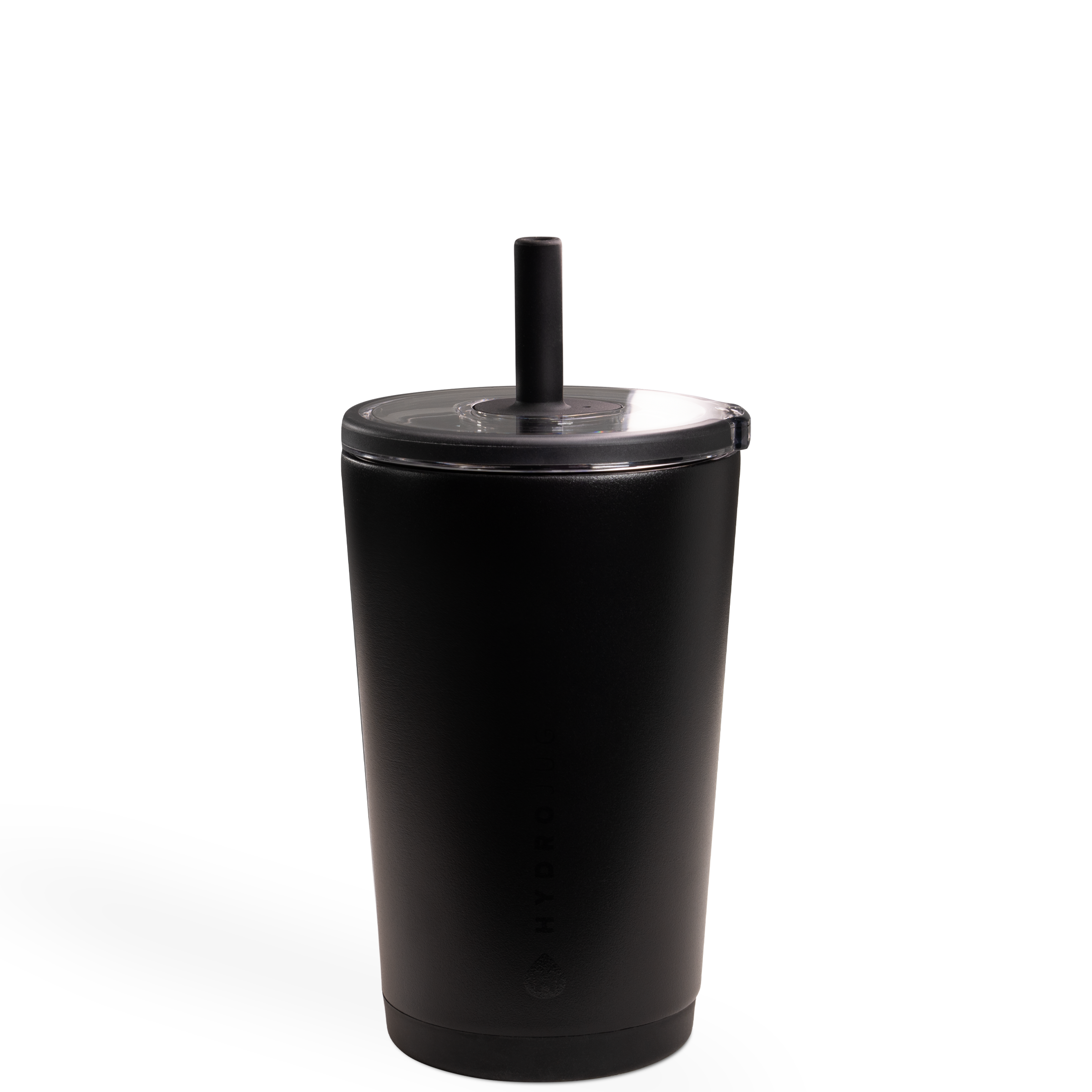
For gym sessions, a 32oz Sport Bottle is lightweight, easy to sip between sets, and fits well in gym bags. For longer or high-sweat workouts, a larger bottle like the Pro Jug 73oz reduces refill interruptions.
If you mix protein or electrolytes post-workout, a HydroJug Shaker simplifies recovery without extra tools.
The easier hydration feels, the more consistent it becomes.
Final Thoughts
Dehydration during workouts can affect strength, endurance, focus, and recovery. By drinking water before, during, and after exercise – and paying attention to your body’s signals – you can train smarter and safer.
Hydration is not just about performance – it’s about protecting your health while pushing your limits.