


How much water should you drink?
Staying hydrated supports how you feel and function every day – energy, digestion, mood, focus, and workout performance. But the question “How much water should I drink?” doesn’t have one perfect number for everyone.
Instead of chasing a magic ounce count, use this simple approach: start with a strong baseline, adjust for your day, and make it easy to stay consistent.
Step 1: Start With a Smart Baseline (Then Customize)
A helpful benchmark for many adults is around:
- Men: about 125 oz of total water per day
- Women: about 91 oz of total water per day
Important: that’s total water – not just what you pour into your bottle.
What counts toward your daily water?
Hydration comes from:
- Plain water
- Other beverages (sparkling water, tea, etc.)
- Water-rich foods (fruit, vegetables, soups, yogurt)
So if you eat a lot of water-dense foods, your “from the bottle” target may be a bit lower. If you’re sweating, traveling, or training, it may be higher.
Step 2: Add “Hydration Adjusters” Based on Your Day
Your needs go up (sometimes a lot) when you:
- Exercise or sweat heavily
- Spend time in heat or dry climates
- Walk a lot, travel, or work long shifts
- Eat higher-protein or high-sodium meals
- Drink alcohol (and sometimes lots of caffeine)
Hydration tip: Focus on steady sipping throughout the day – not “catching up” at night.
Step 3: Use the HydroJug Refill Plan (The Easiest Way to Stay Consistent)
If you’ve ever thought, “I think I drank enough… maybe?” – this is the fix.
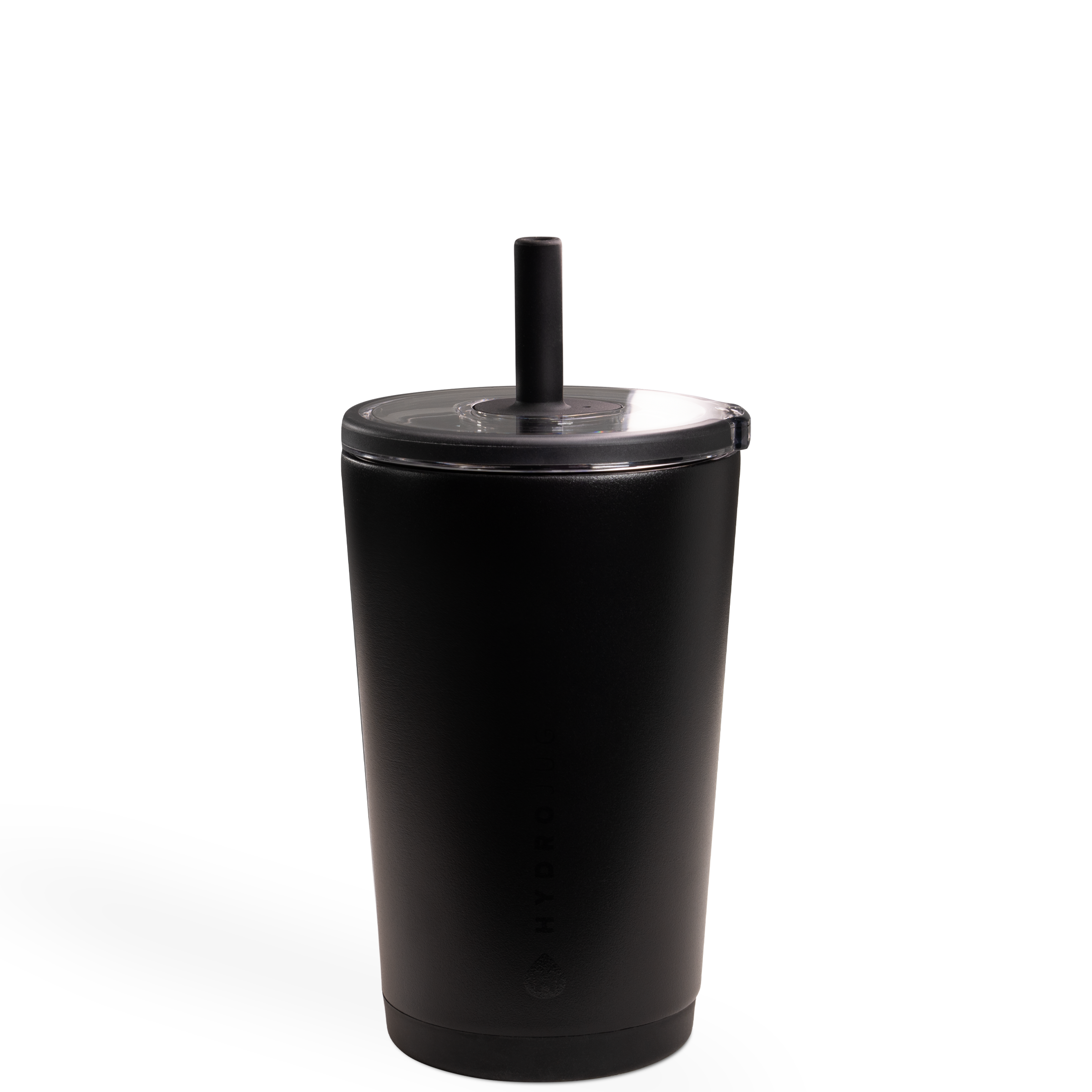
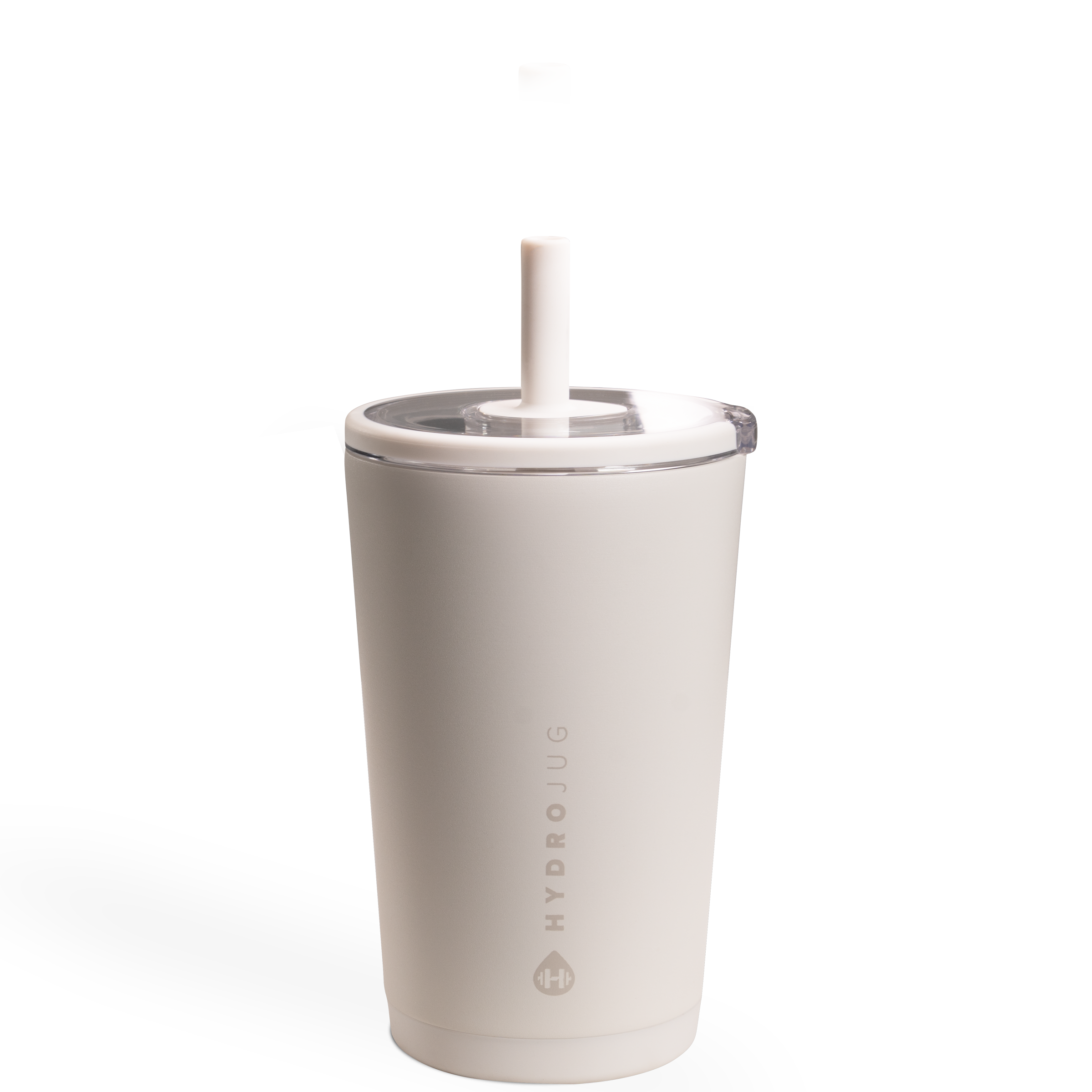
Pick your bottle size and use refills as your tracker. Here are simple daily targets based on common baselines:
Refill targets (for typical daily hydration goals)
- 20 oz bottle → aim for 4–6 fills per day
- 32 oz bottle → aim for 3–4 fills per day
- 40 oz bottle → aim for 2–3 fills per day
- 64 oz bottle → aim for 1–2 fills per day
- 73 oz jug → aim for 1 fill per day (plus extra if you train or sweat a lot)
You don’t need perfection – just a repeatable system. And refills are easier to remember than dozens of tiny sips.
Quick Self-Check: Are You Drinking Enough?
Skip obsessive tracking and use these cues:
- Urine color: pale yellow usually means you’re in a good place
- Thirst: if you’re consistently thirsty, you’re already behind
- Energy & focus: fatigue and “brain fog” can show up when you’re under-hydrated
- Headaches: mild dehydration is a common trigger
If you’re noticing multiple signs at once, increase your intake gradually and spread it out over the day.
Workout Hydration: Before, During, After
Training days change the game – especially if you sweat a lot.
A simple, practical approach:
- Before: drink water in the hours leading up to your workout (don’t wait until you’re already thirsty)
- During: sip consistently – especially during longer or hotter sessions
- After: keep sipping and consider adding a salty snack or electrolytes if you were really sweating
When electrolytes help
You usually don’t need electrolytes for a normal day. They’re most helpful when you’re losing more fluid than usual:
- Intense workouts
- Long sessions (especially in heat)
- Heavy sweating
- Travel days (dehydrating routines and long stretches without regular water)
Think of electrolytes as a tool, not a requirement.
Can You Drink Too Much Water?
It’s uncommon, but yes – chugging large amounts quickly can be risky, especially during endurance activity. A safer rule:
- Sip steadily
- Don’t try to “make up” an entire day of hydration in one hour
If you have a medical condition (especially kidney or heart-related) or you’ve been told to limit fluids, follow your clinician’s guidance.
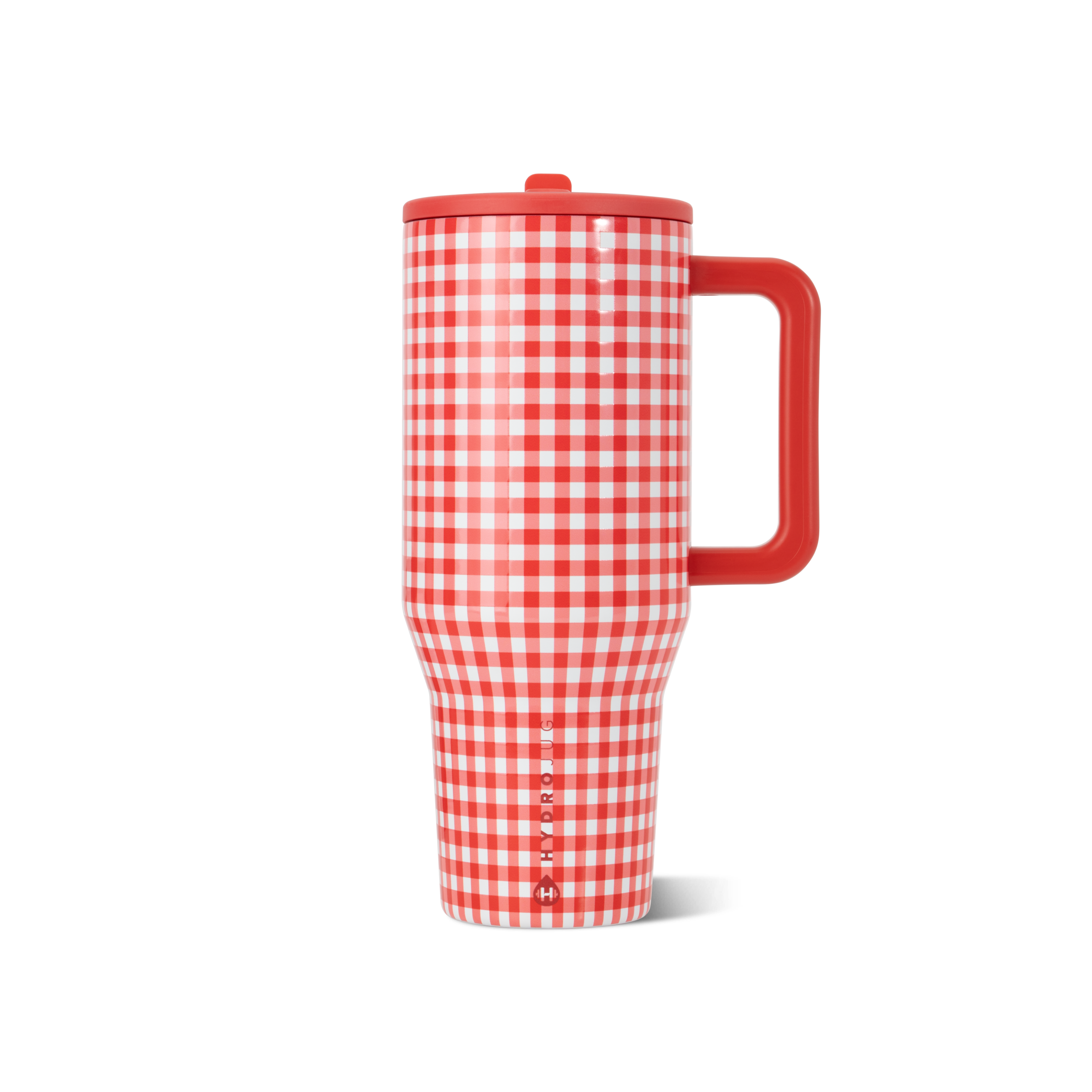
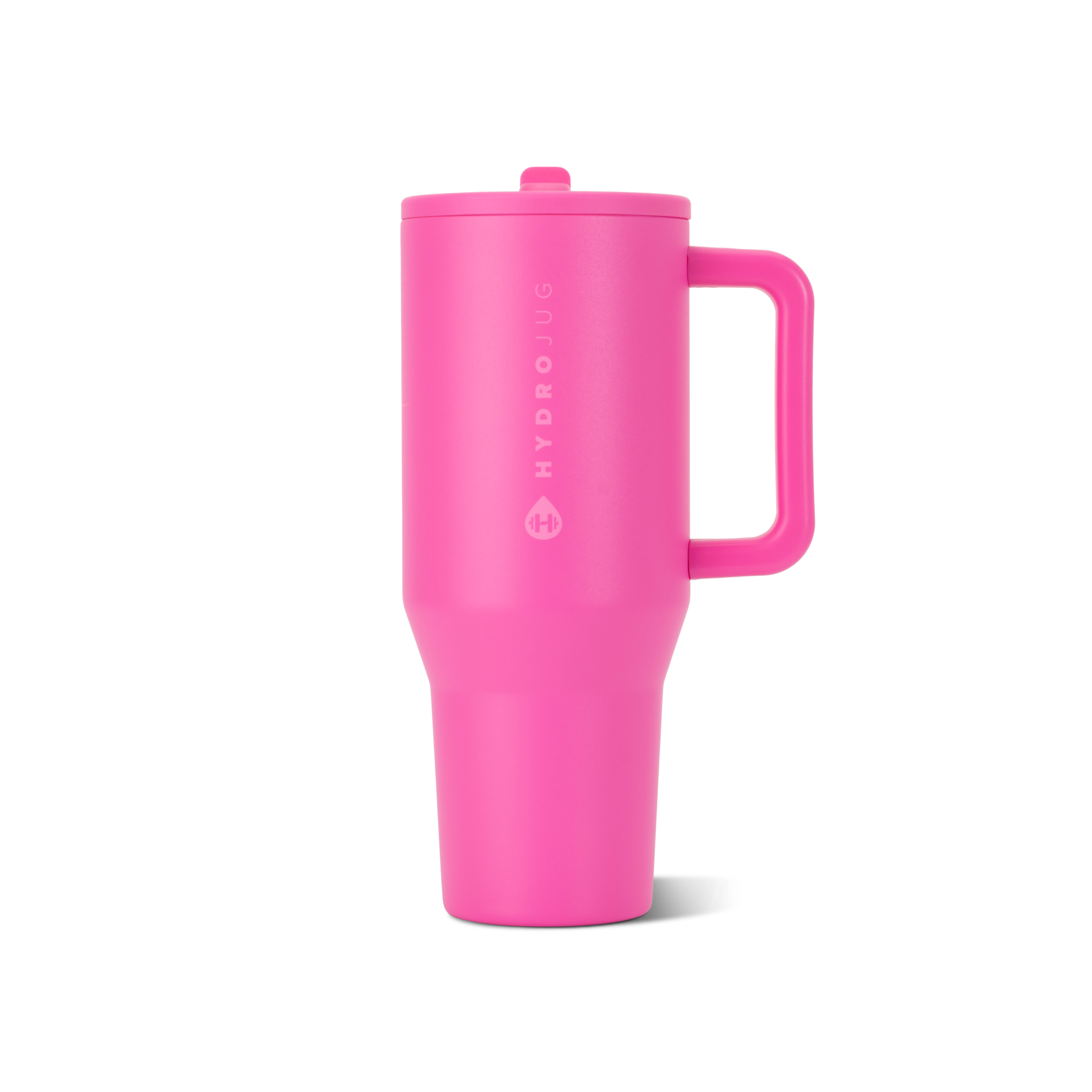
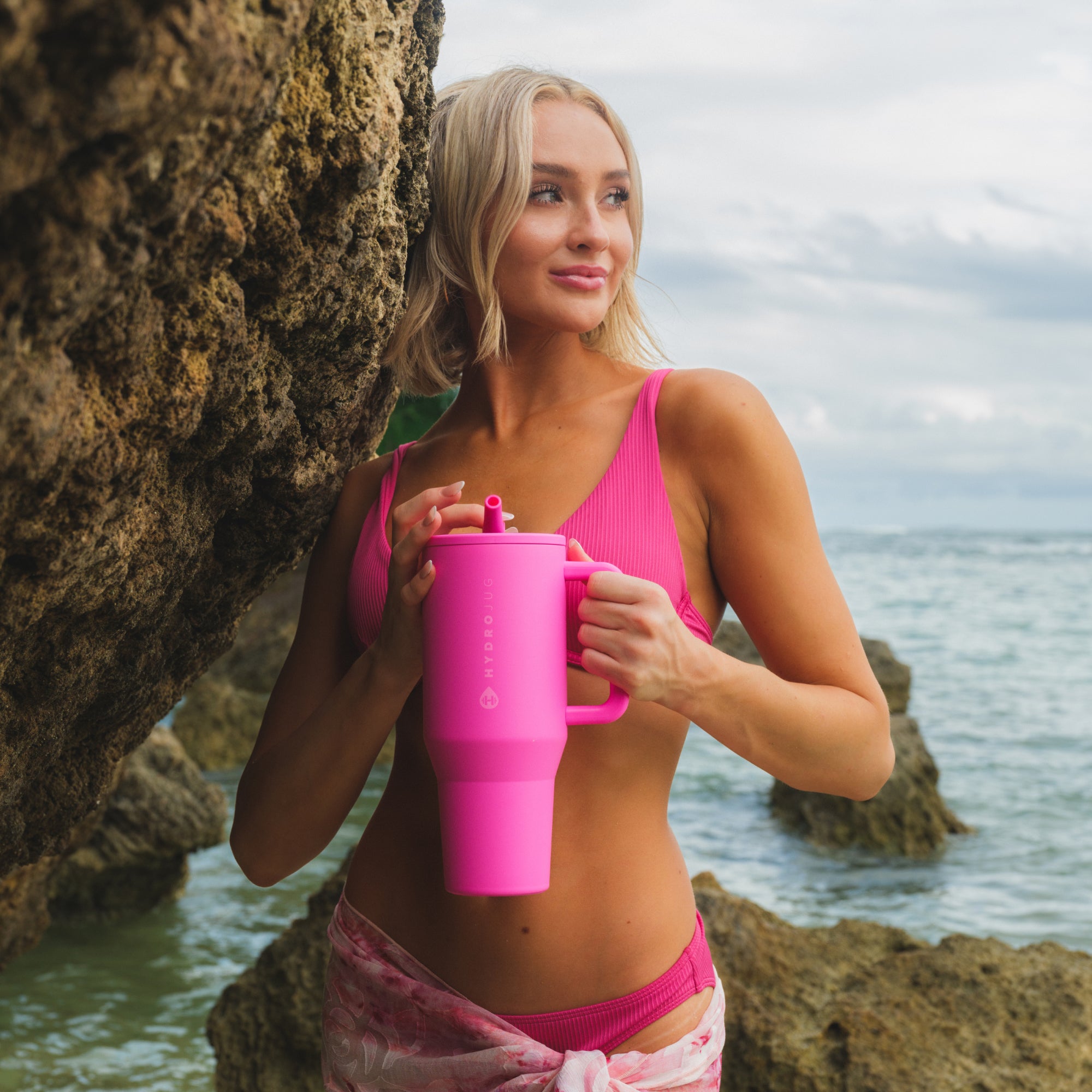
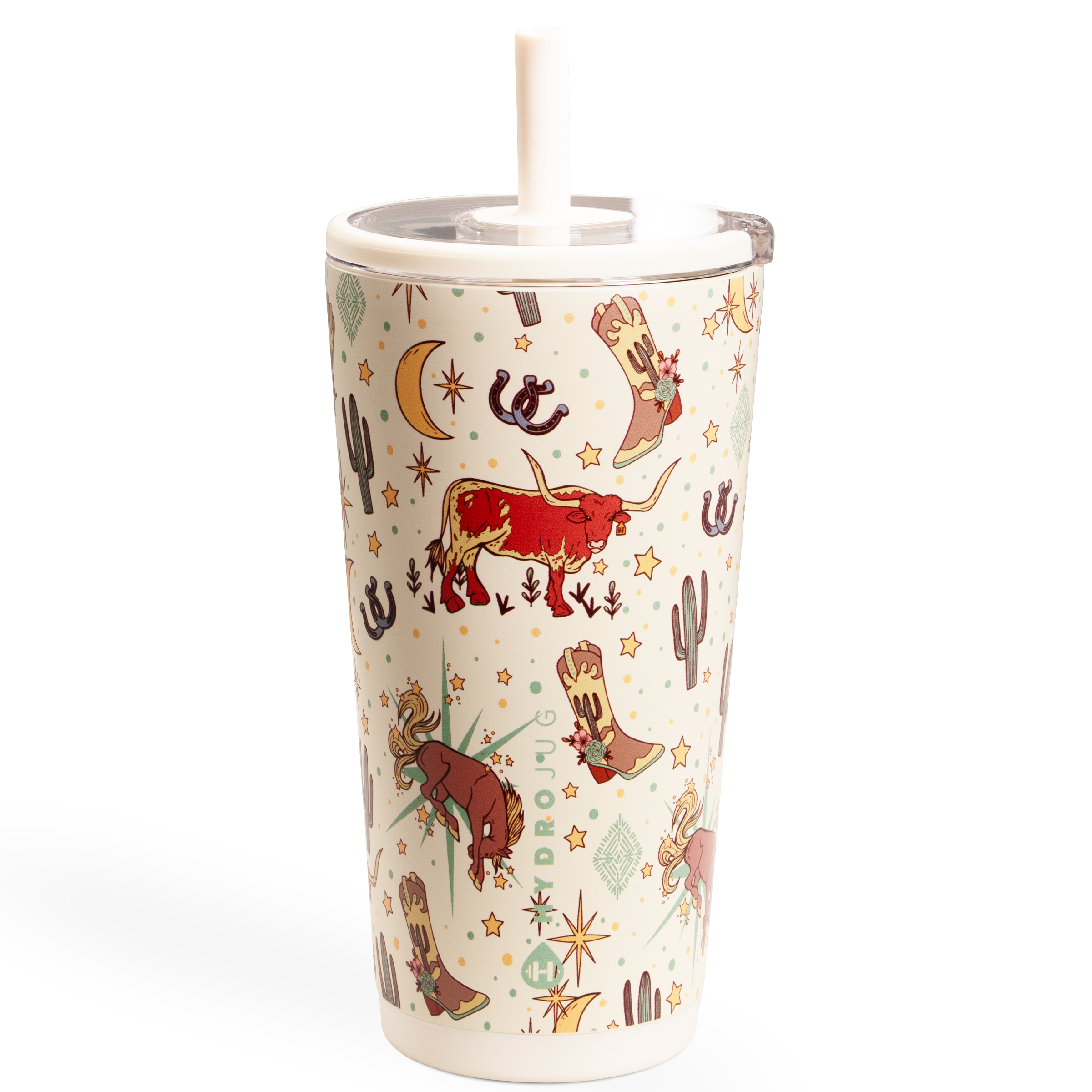
Make Hydration Effortless (The HydroJug Way)
Consistency matters more than the perfect formula. Try these habit-helpers:
- Start full: fill your HydroJug in the morning so it’s ready
- Keep it visible: desk, car, gym bag – where you’ll actually see it
- Pair it with habits: emails, meetings, meals, warm-ups
- Make it taste good: fruit, flavoring, or cold water with ice
- Use refills, not guilt: if you’re behind, just return to steady sips
Your water needs shift with your body and your day. Start with a baseline, adjust for activity and climate, and use a refill plan to stay consistent – because the best hydration routine is the one you’ll actually keep.