



Hydrate For Mental Clarity
Hydration is often associated with physical performance, but it also plays a key role in how clearly we think. The brain relies on adequate hydration to function efficiently, and even mild dehydration can affect focus, memory, and overall cognitive performance.
Staying properly hydrated helps support mental sharpness throughout the day – whether you’re working, studying, or managing a busy schedule.
Understanding the Impact of Dehydration on the Brain
The brain is particularly sensitive to changes in hydration levels.
Even mild dehydration can impair cognitive function and make mental tasks feel more difficult than usual. Research shows that a fluid loss of just 1–2% of body weight can lead to reduced attention, slower reaction times, and challenges with memory and concentration.
These effects can show up quickly – especially during long workdays, travel, or periods of stress.
Hydration and Brain Performance
Hydration supports several cognitive processes that influence how we think and feel.
Enhancing Focus and Concentration
Adequate hydration helps maintain the flow of oxygen and nutrients to the brain, supporting focus and sustained attention. When hydration levels drop, the brain’s energy supply can be compromised, making it harder to stay engaged.
Boosting Memory and Cognitive Abilities
Hydration is essential for effective communication between brain cells. When you’re well-hydrated, processes like memory consolidation, recall, and information processing work more efficiently, supporting sharper thinking.
Improving Mood and Mental Well-Being
Dehydration can contribute to fatigue, irritability, and mood changes. Supporting hydration helps the brain regulate mood and emotional balance more effectively.
This connection is explored further in our article on how hydration can affect mental health.
Tips for Staying Hydrated and Mentally Sharp
Small, consistent habits can help support both hydration and mental clarity.
Drink Water Consistently
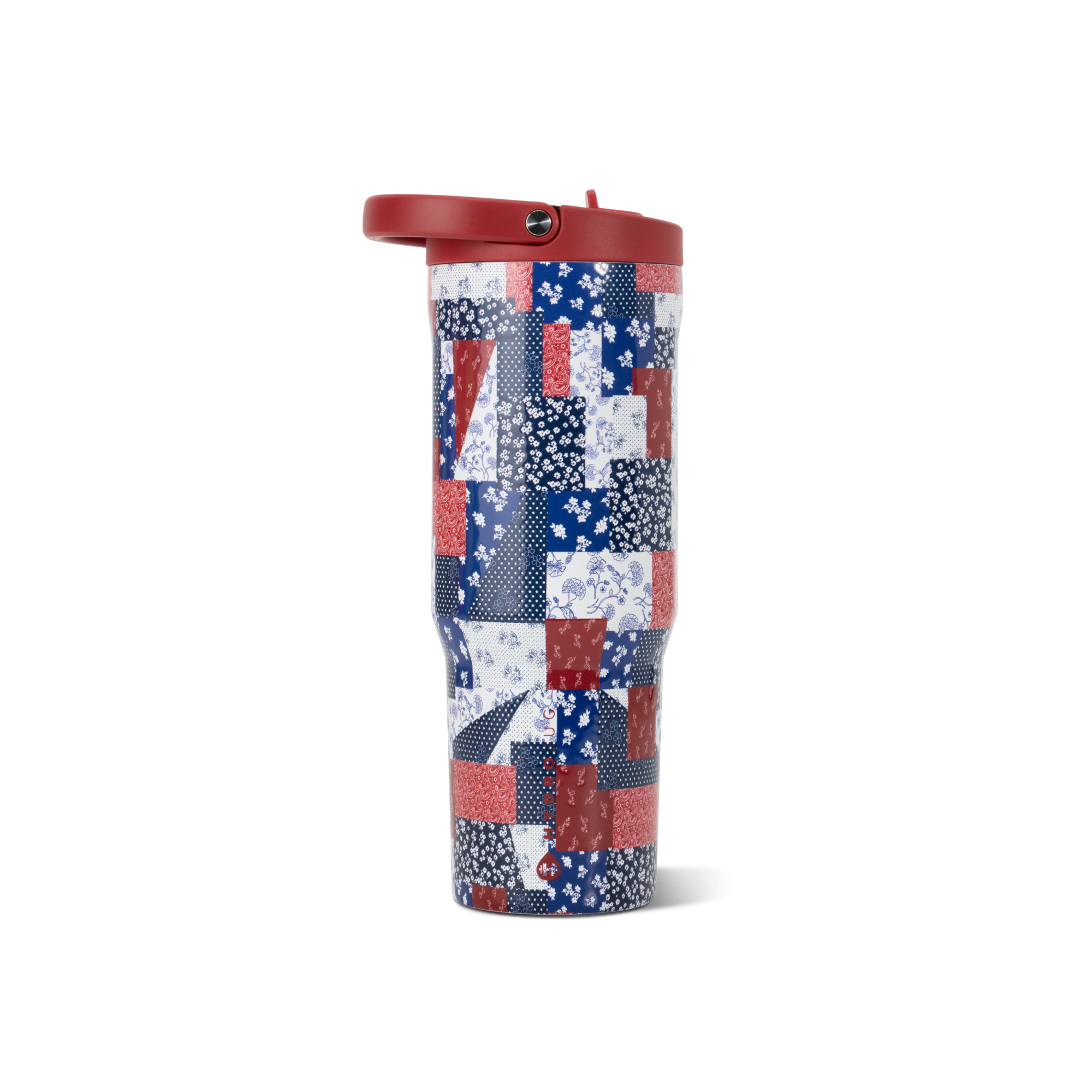
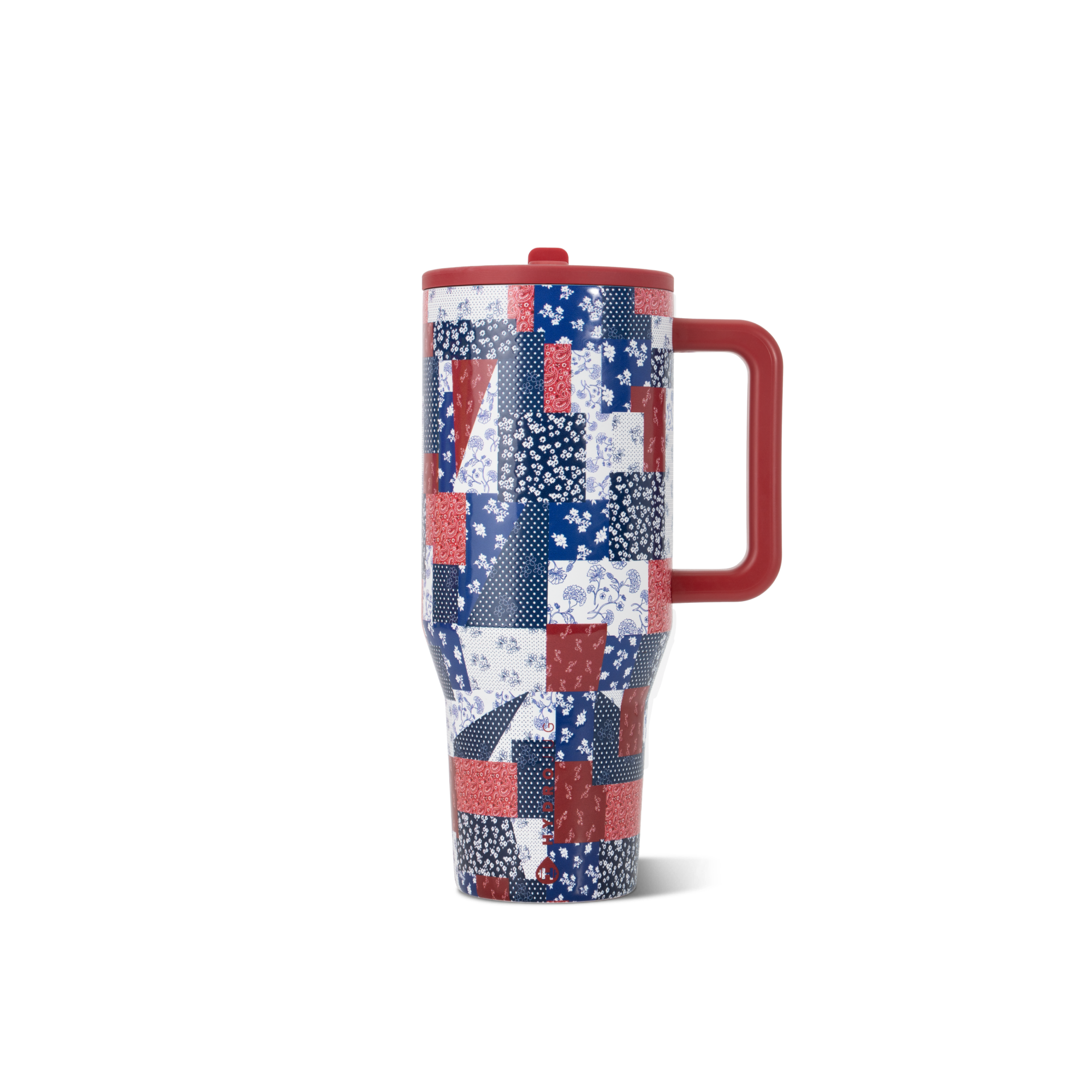
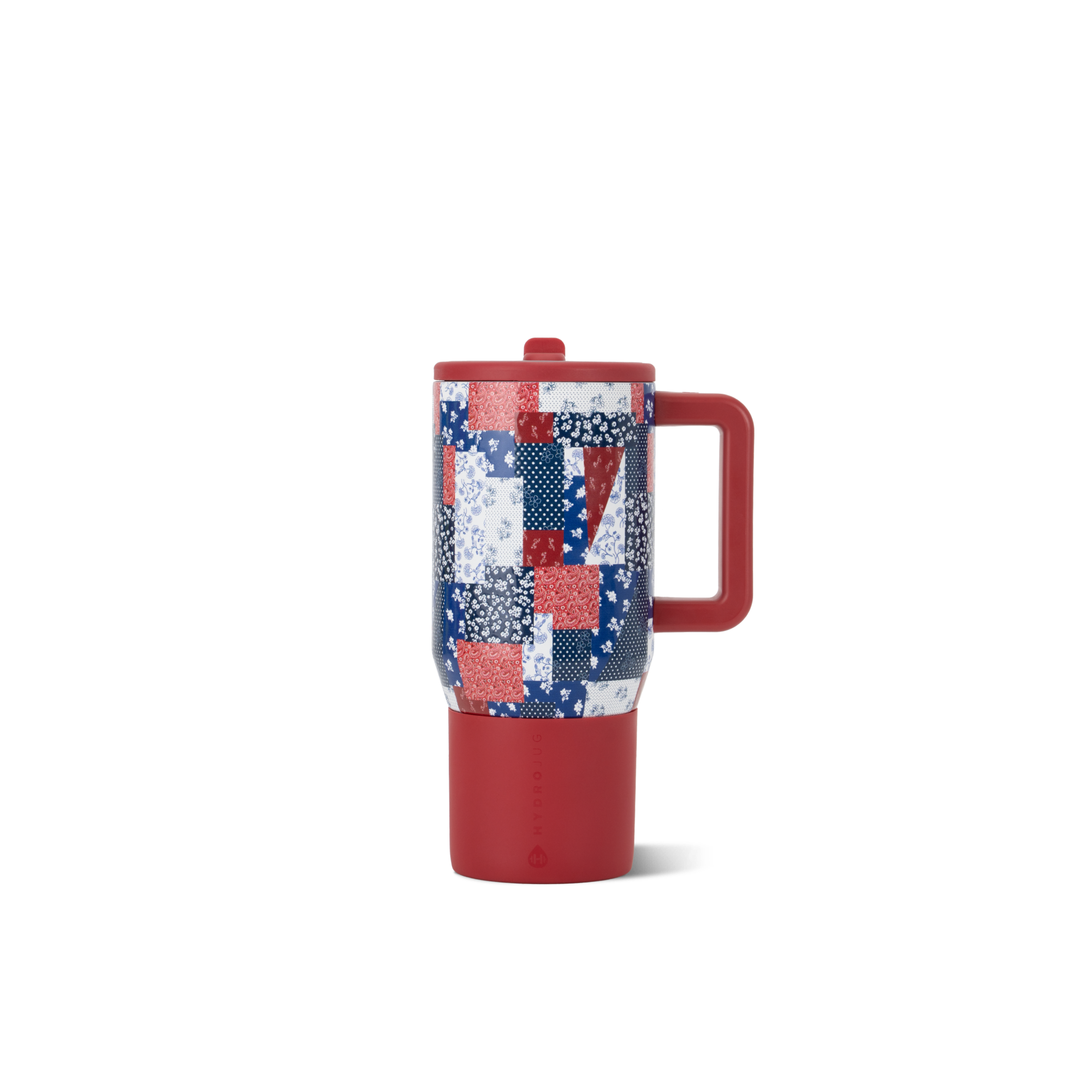
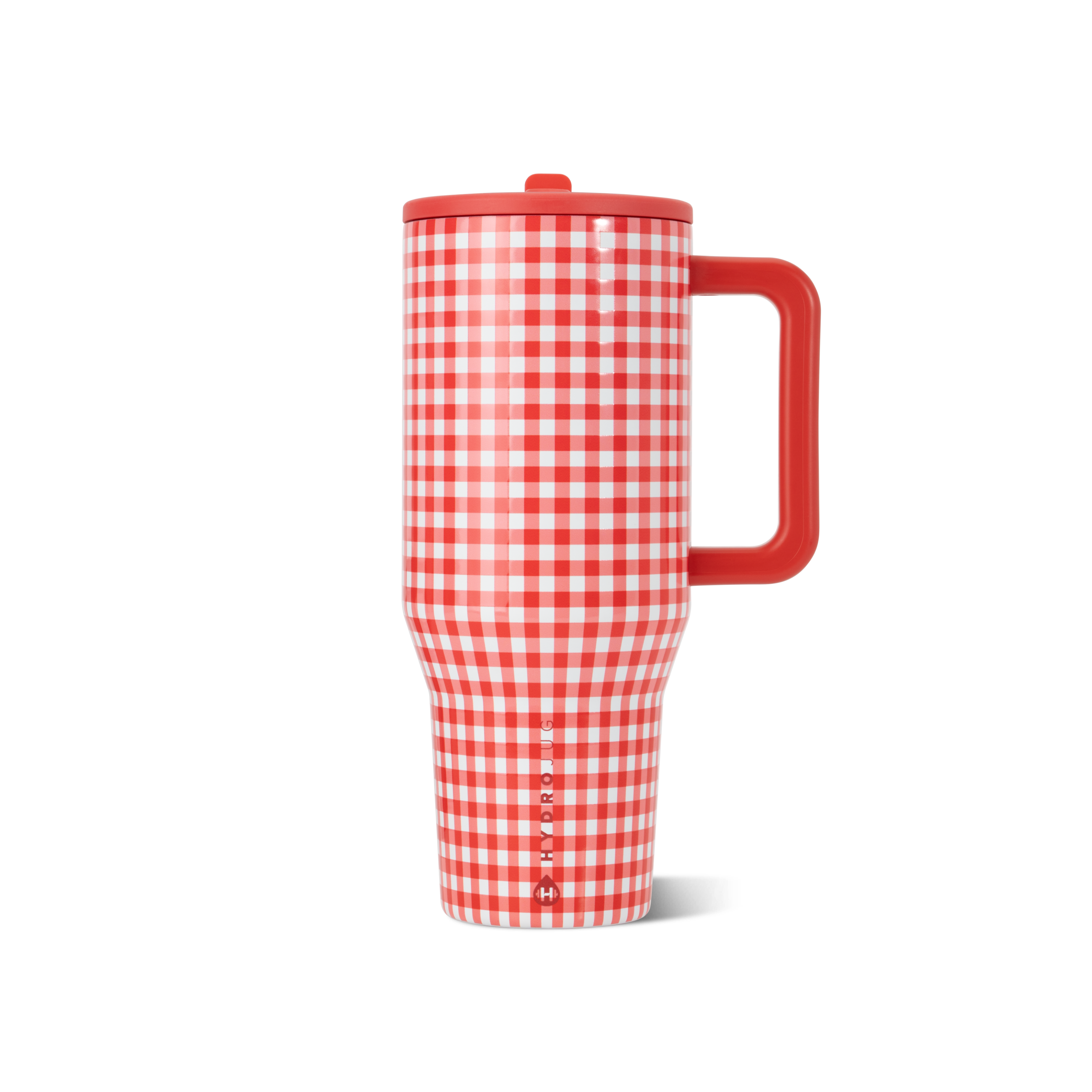
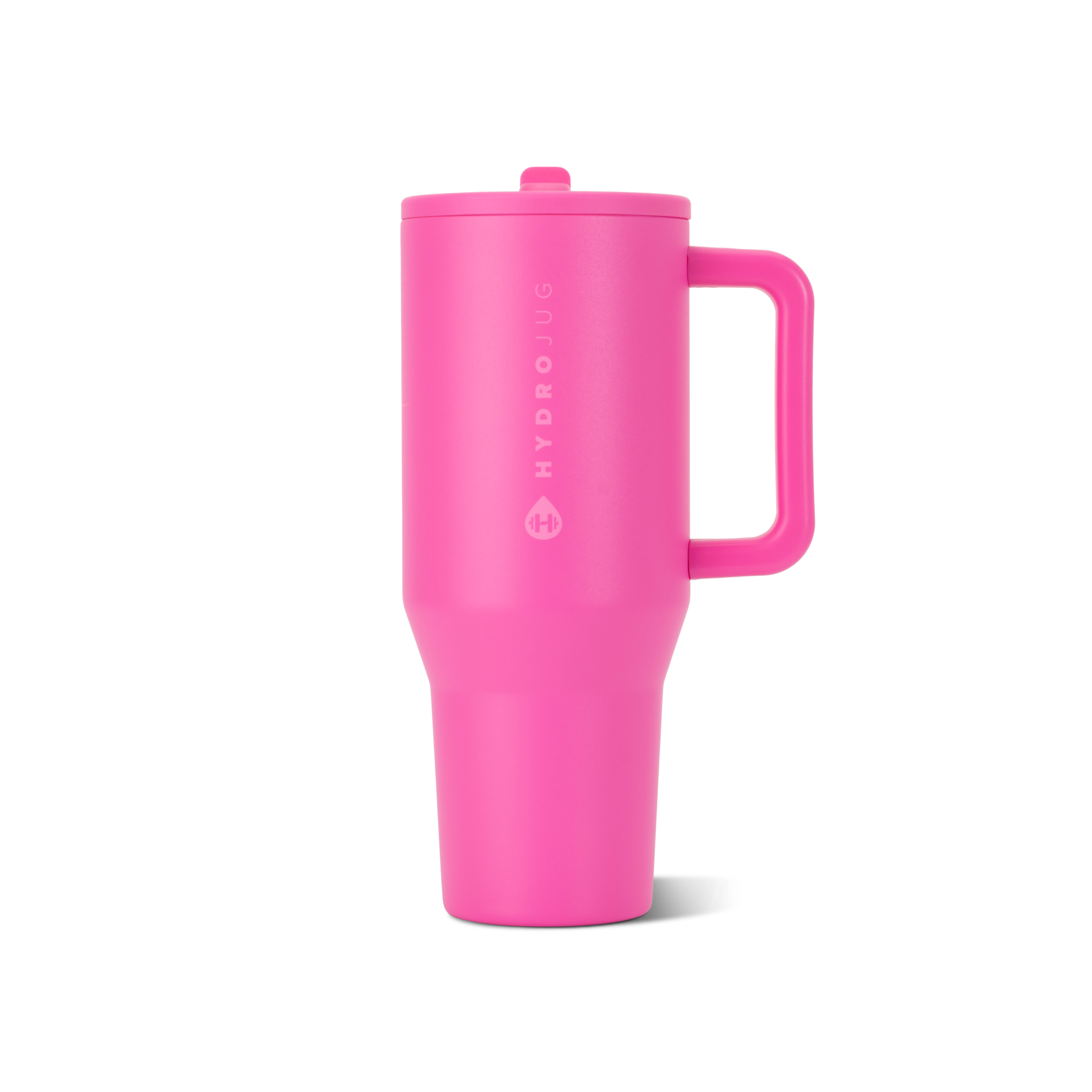
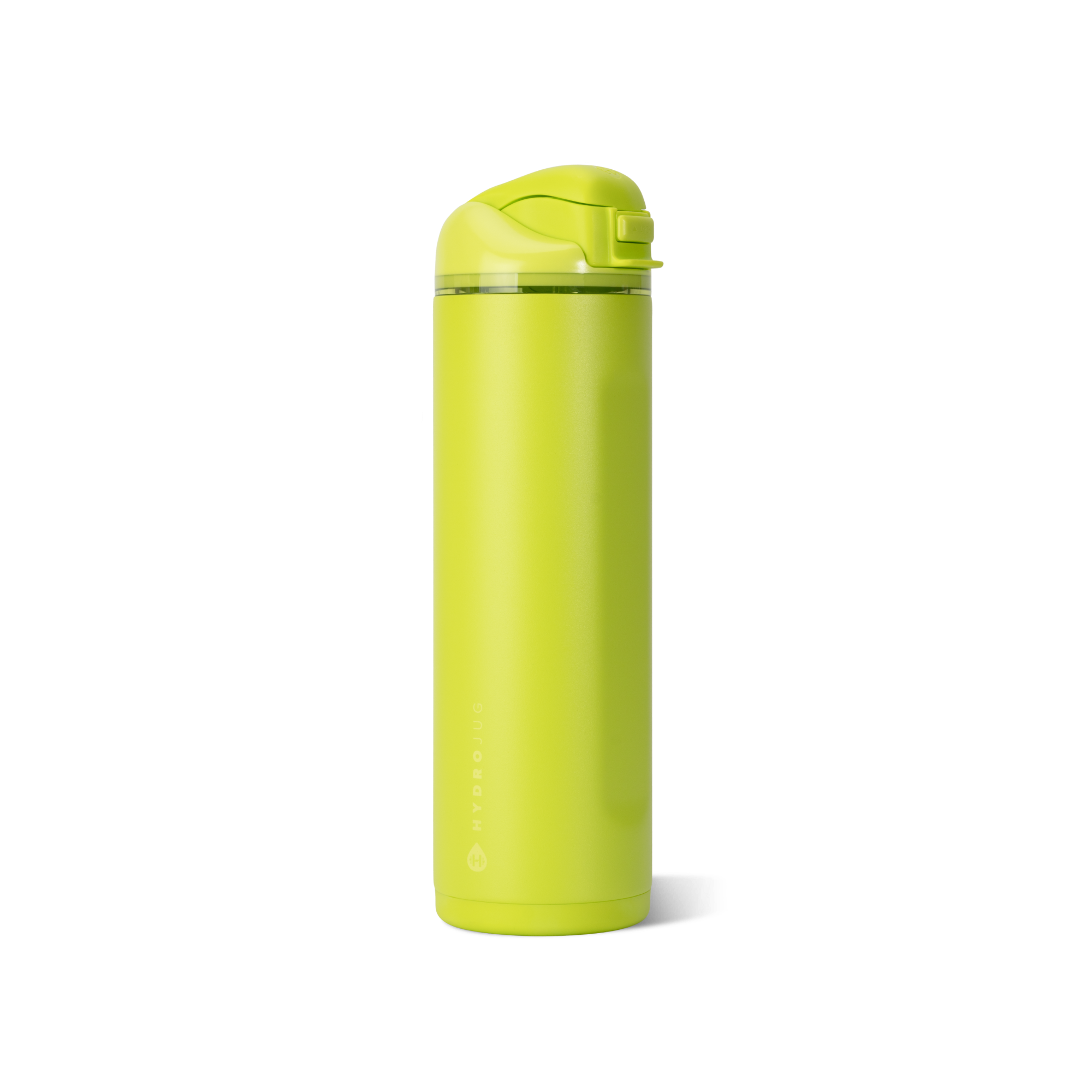
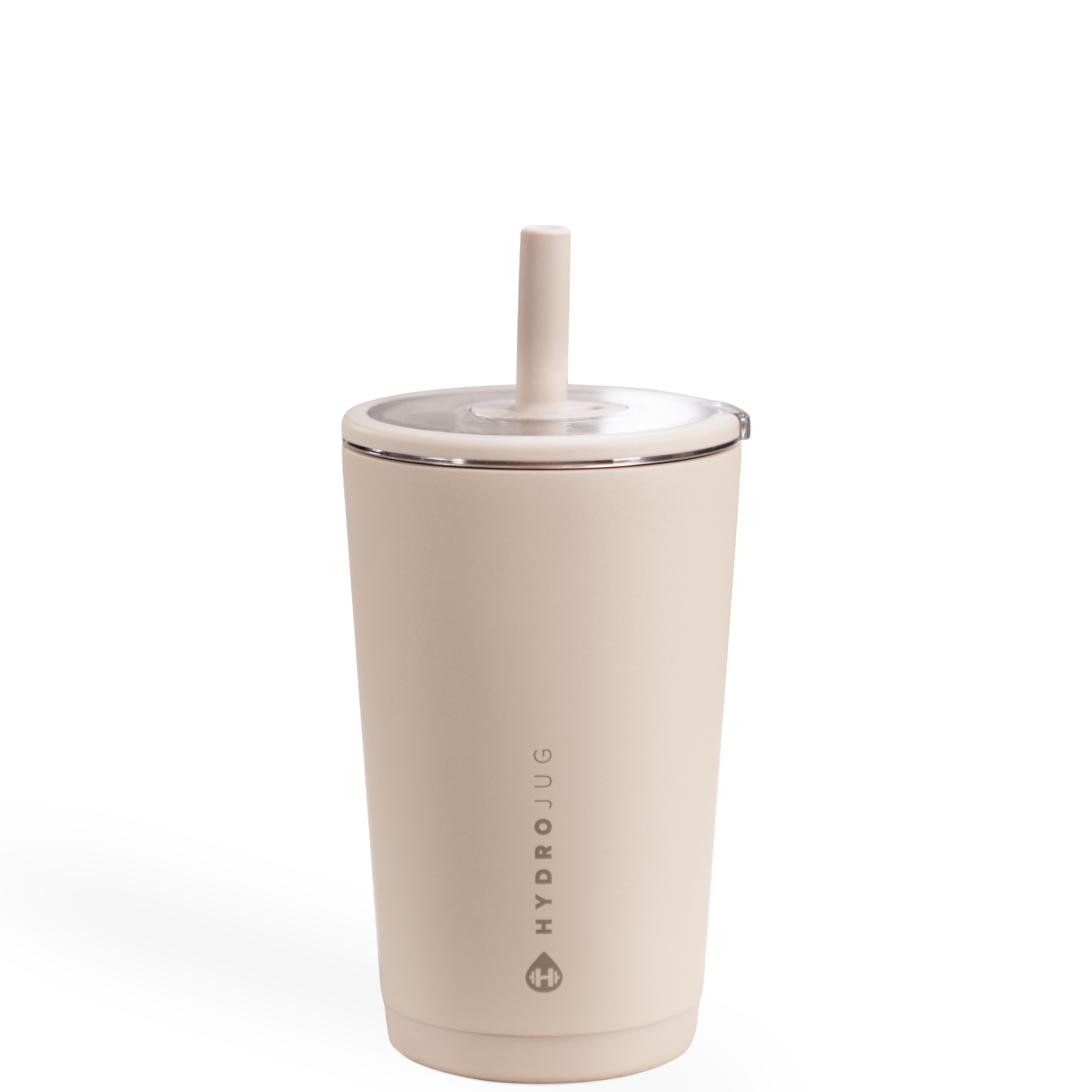
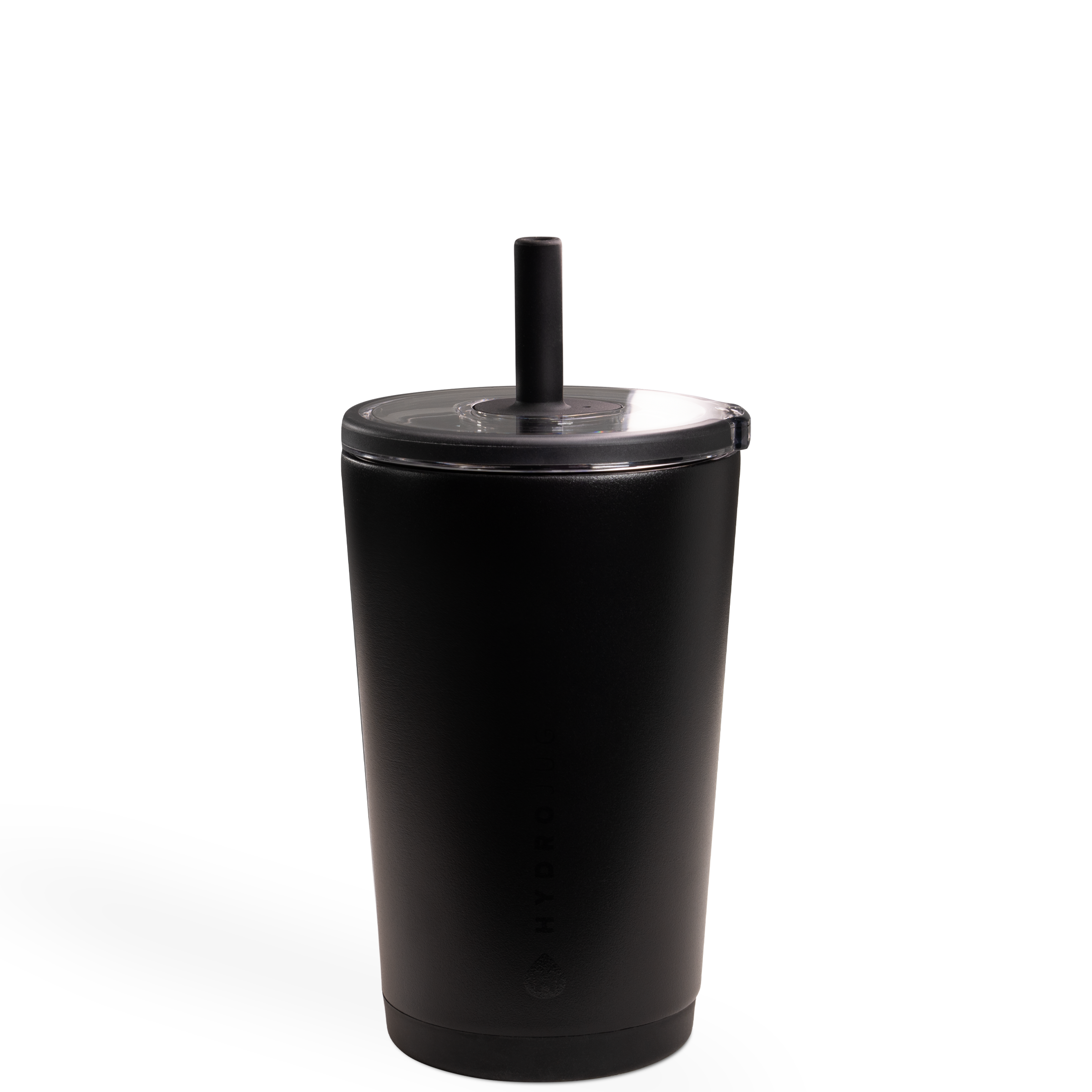
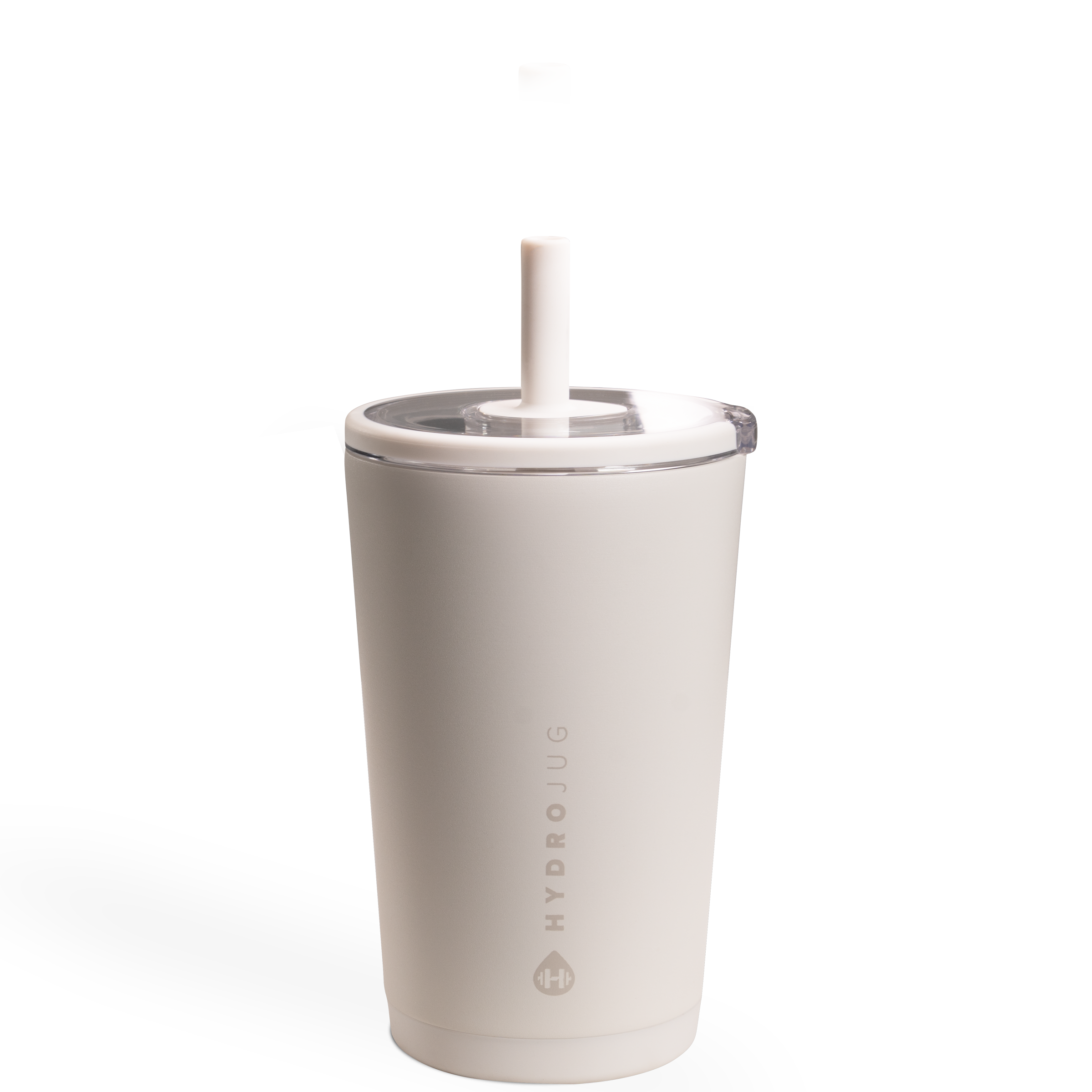
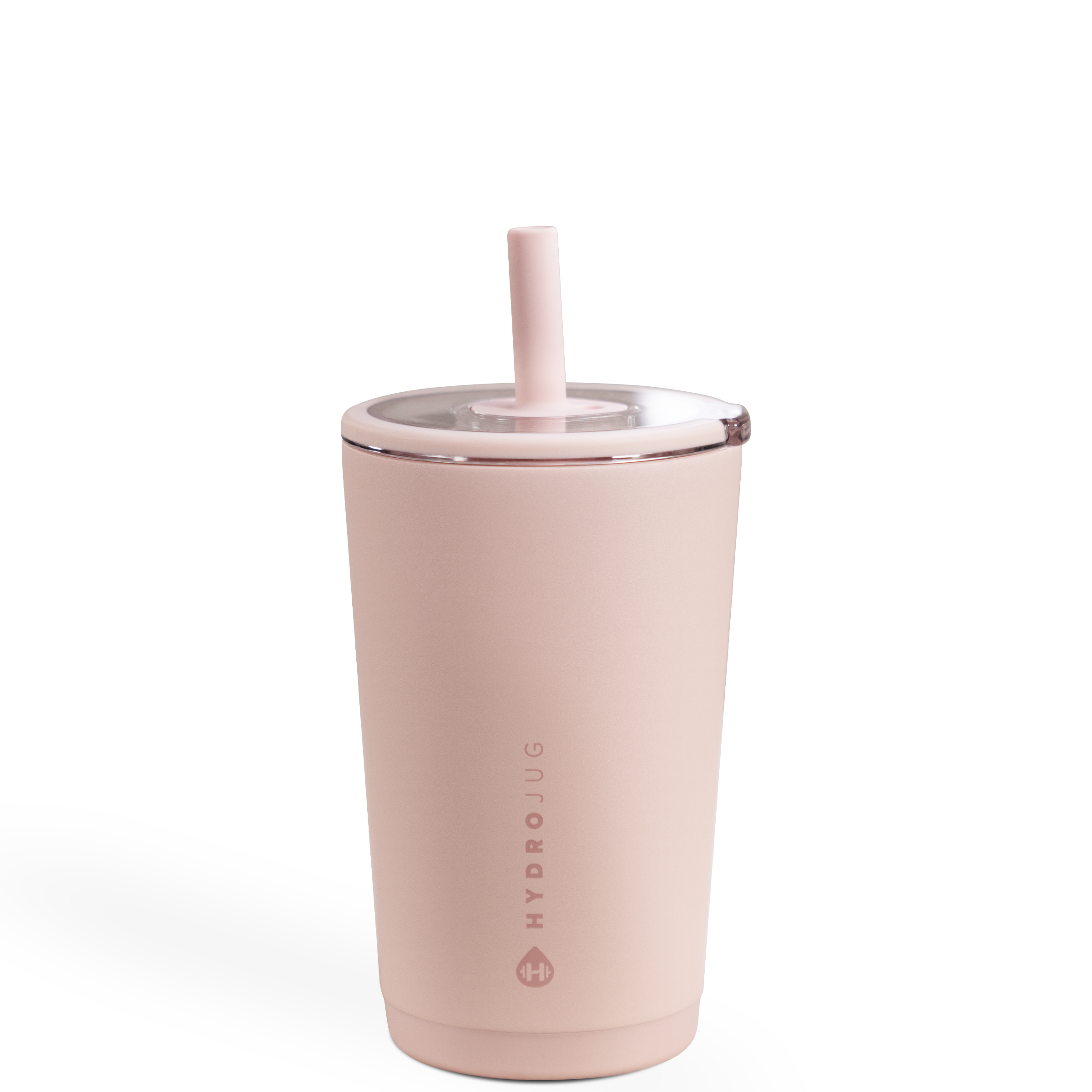
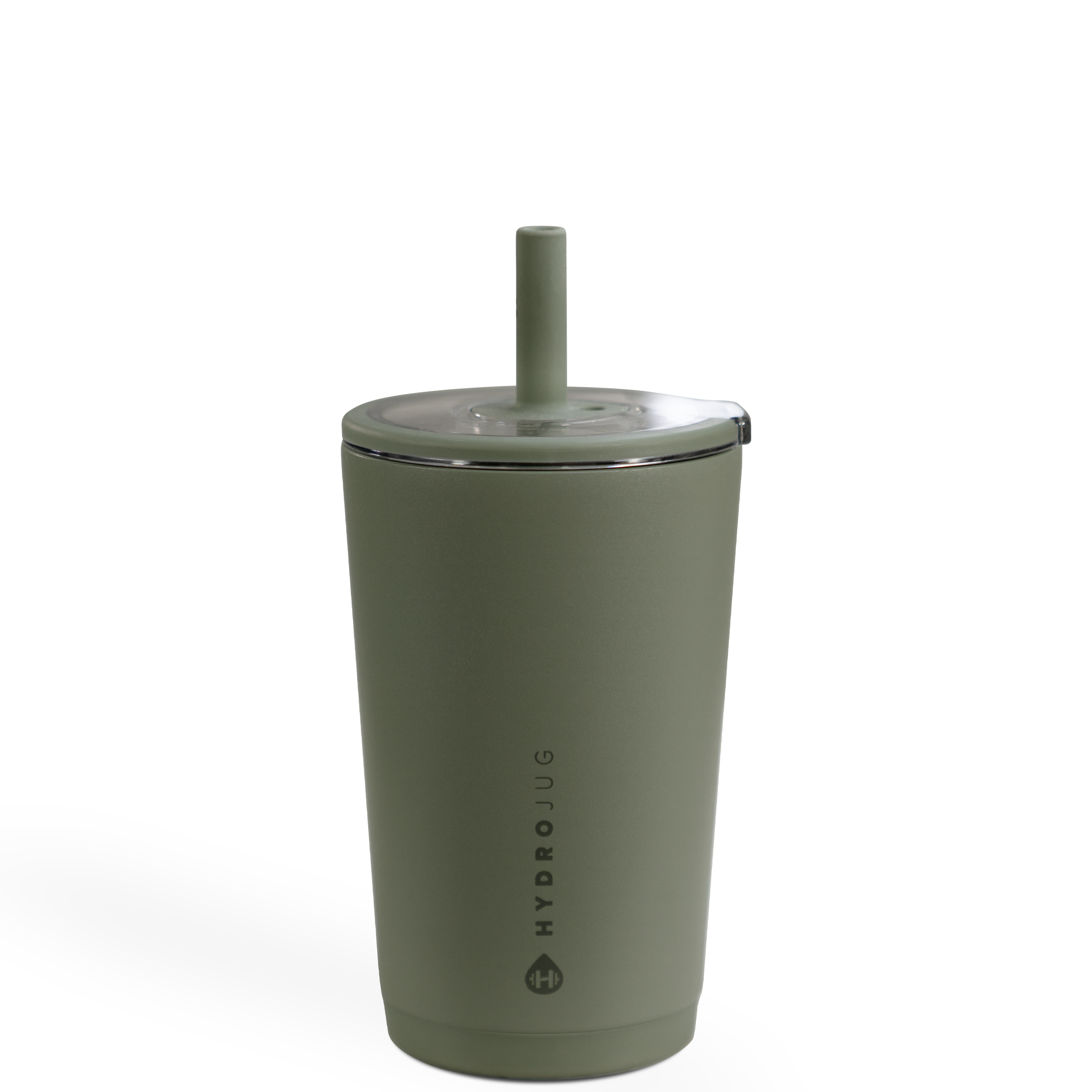
Rather than drinking large amounts at once, aim to sip water regularly throughout the day. Keeping water nearby makes this easier. Many people find that a larger bottle helps them stay consistent without frequent refills, while a desk-friendly Traveler or Sport Bottle works well during work or study hours.
Monitor Your Fluid Intake
Pay attention to thirst cues and urine color. Darker urine can signal dehydration, while pale yellow typically indicates adequate hydration.
Hydrate Before Mentally Demanding Tasks
Drinking water before tasks that require focus – such as studying, meetings, or problem-solving – can help ensure your brain is ready to perform.
Include Hydrating Foods and Beverages
Water-rich foods like watermelon, oranges, cucumbers, and celery contribute to hydration. Herbal teas and clear broths can also support fluid intake, especially during cooler months.
Limit Diuretic Beverages
Excessive caffeine or alcohol can increase fluid loss. If you consume these beverages, pair them with water to help maintain hydration balance.
Proper hydration supports more than physical health – it plays an important role in how clearly and comfortably your brain functions. By prioritizing consistent hydration and building simple habits, you can support focus, memory, and mental well-being throughout the day.