






Stress Management Tips For Better Mental Health
In today’s fast-paced world, stress has become a common part of daily life. While some stress is unavoidable, how we respond to it can significantly impact our mental and physical well-being. Learning to manage stress effectively helps support emotional balance, resilience, and overall quality of life.
The strategies below focus on practical, sustainable ways to reduce stress and support better mental health.
Practice Mindfulness
Mindfulness is a powerful tool for managing stress.
Taking time each day to focus on the present moment allows you to observe thoughts and emotions without judgment. Mindful practices like meditation, deep breathing, or simply noticing your surroundings can help reduce stress levels and promote a sense of calm.
Regular mindfulness practice has also been linked to improved focus and emotional regulation.
Hydration can influence mental clarity as well – this article on how hydration can affect mental health explores that connection.
Prioritize Self-Care
Self-care is an essential part of stress management.
Engaging in activities that bring relaxation or joy – such as reading, taking a warm bath, practicing hobbies, or spending time outdoors – helps recharge both mind and body. Making self-care a regular, non-negotiable habit can reduce burnout and improve emotional balance.
Establish Healthy Boundaries
Healthy boundaries protect your time and energy.
Learning to say no, communicating limits clearly, and prioritizing what matters most helps prevent overwhelm. Whether at work or in personal relationships, boundaries create space for rest and recovery, reducing chronic stress.
Engage in Regular Physical Activity
Movement is one of the most effective natural stress relievers.
Activities like walking, yoga, stretching, or dancing encourage the release of endorphins – chemicals that support mood and well-being. Aim for at least 30 minutes of moderate activity most days, choosing movement you genuinely enjoy.
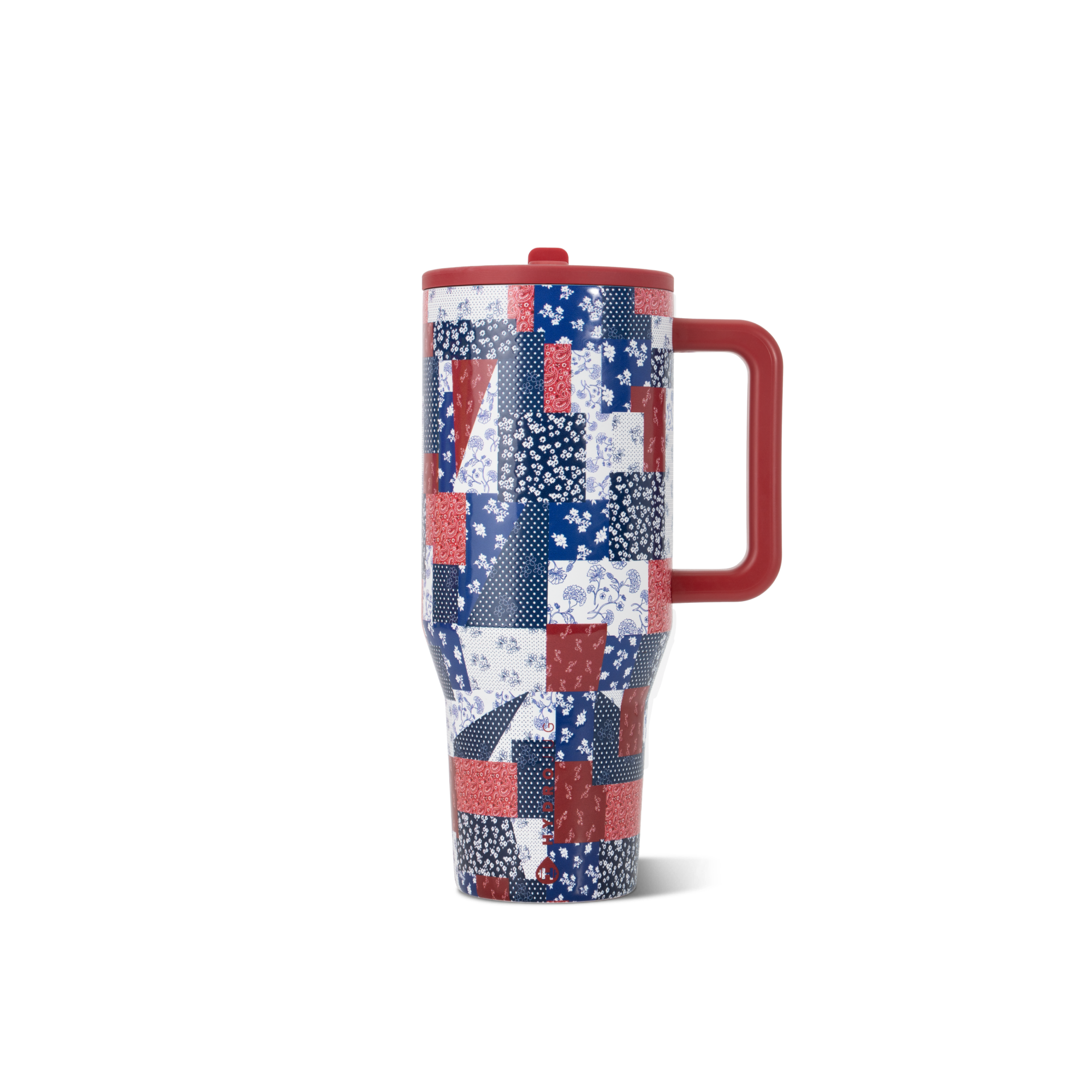
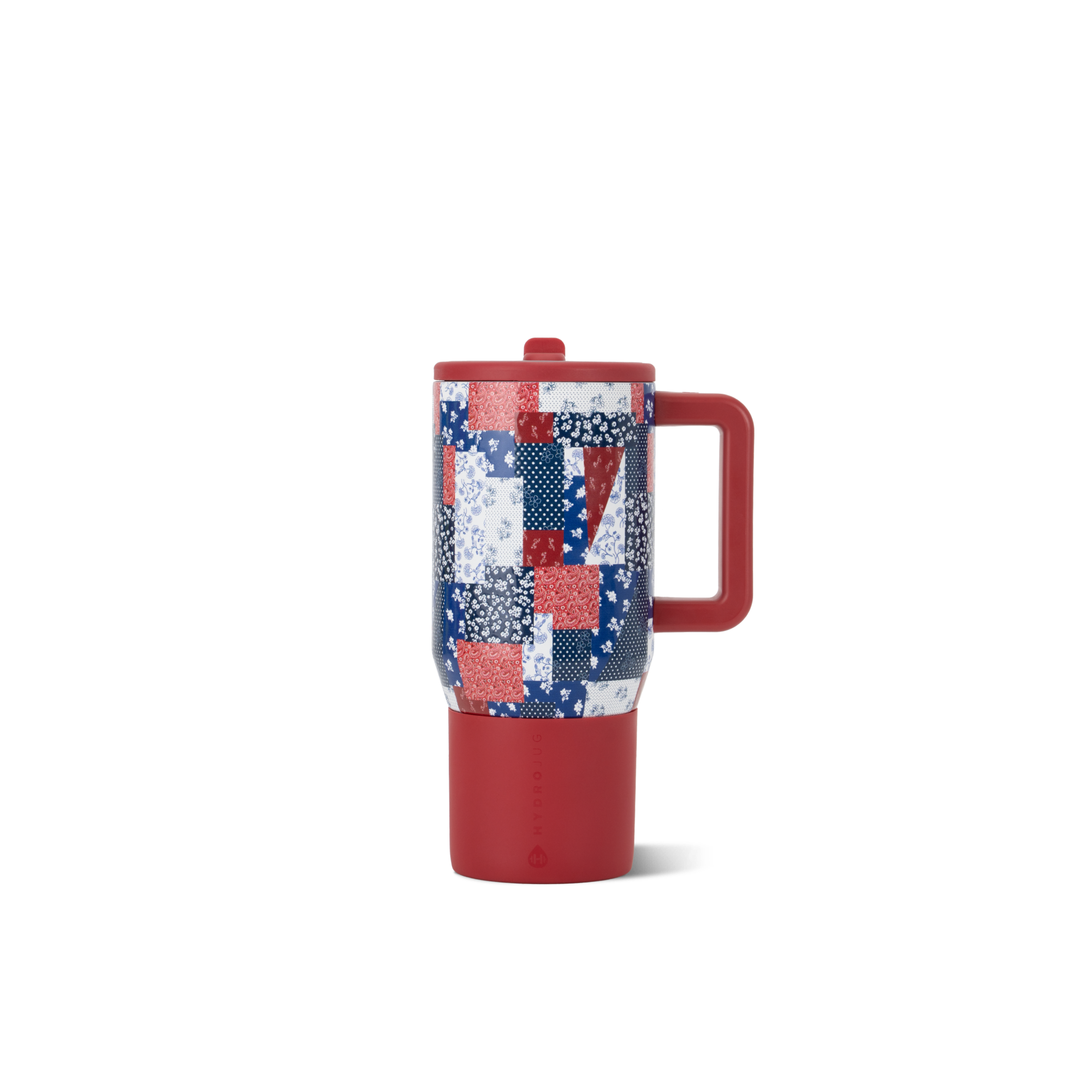
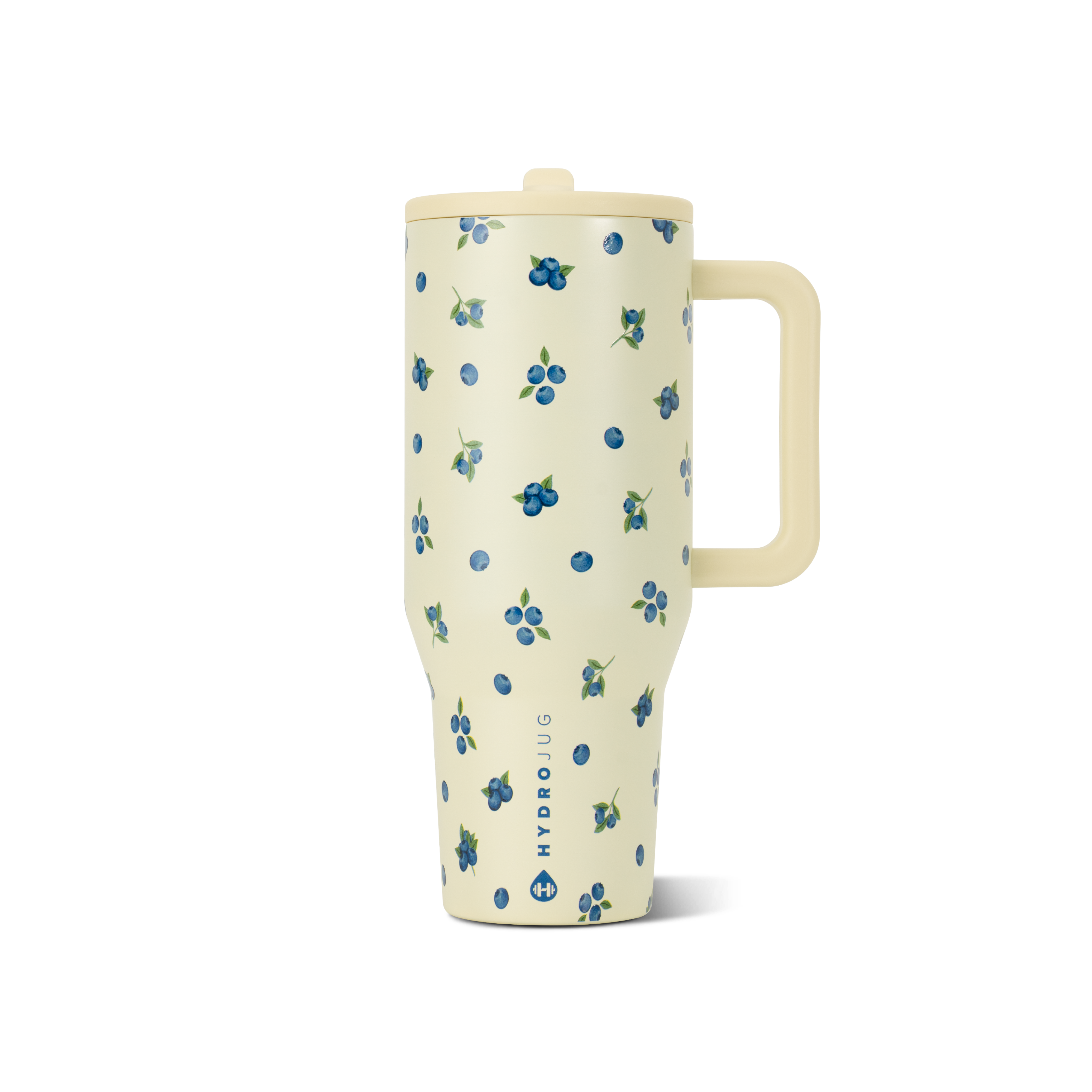
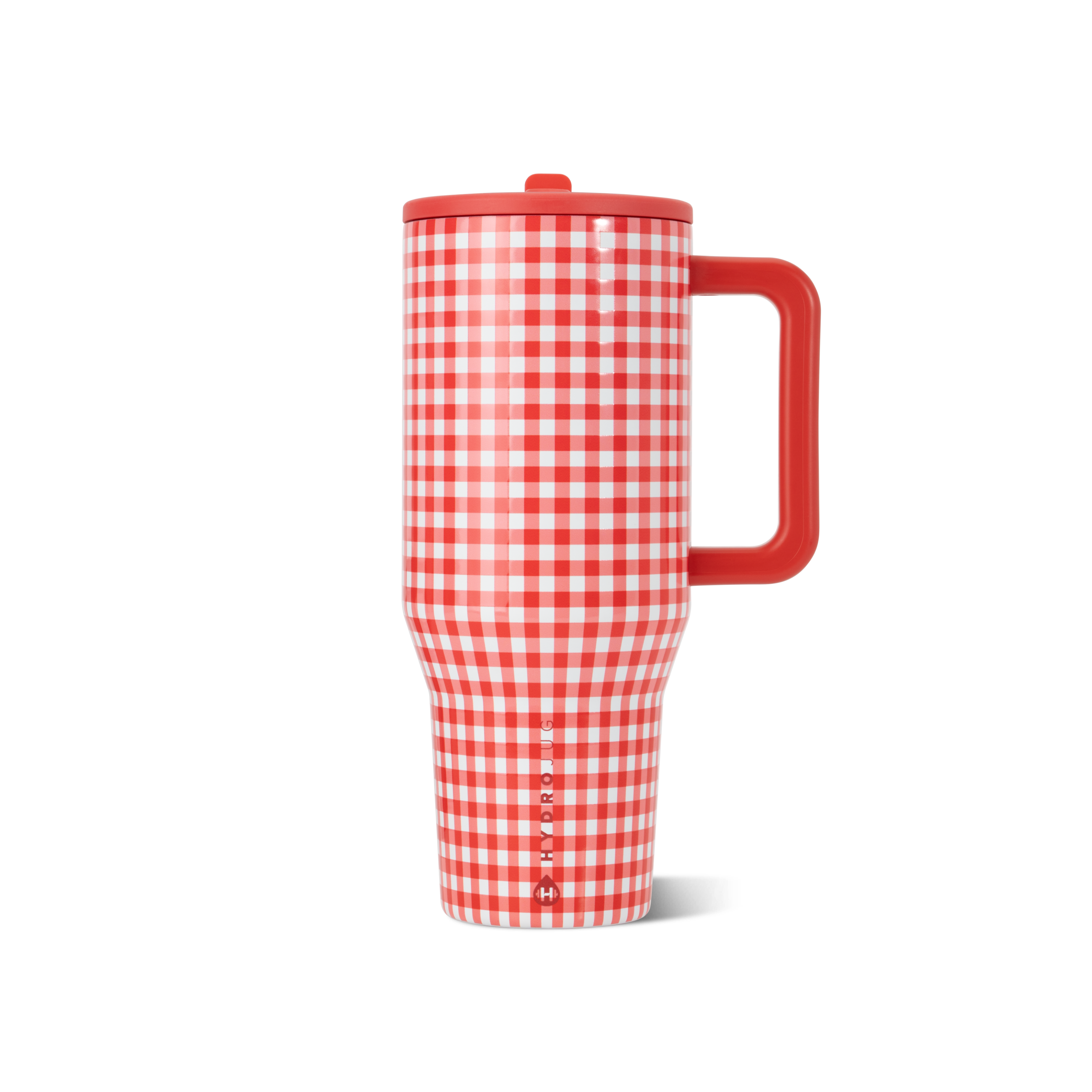
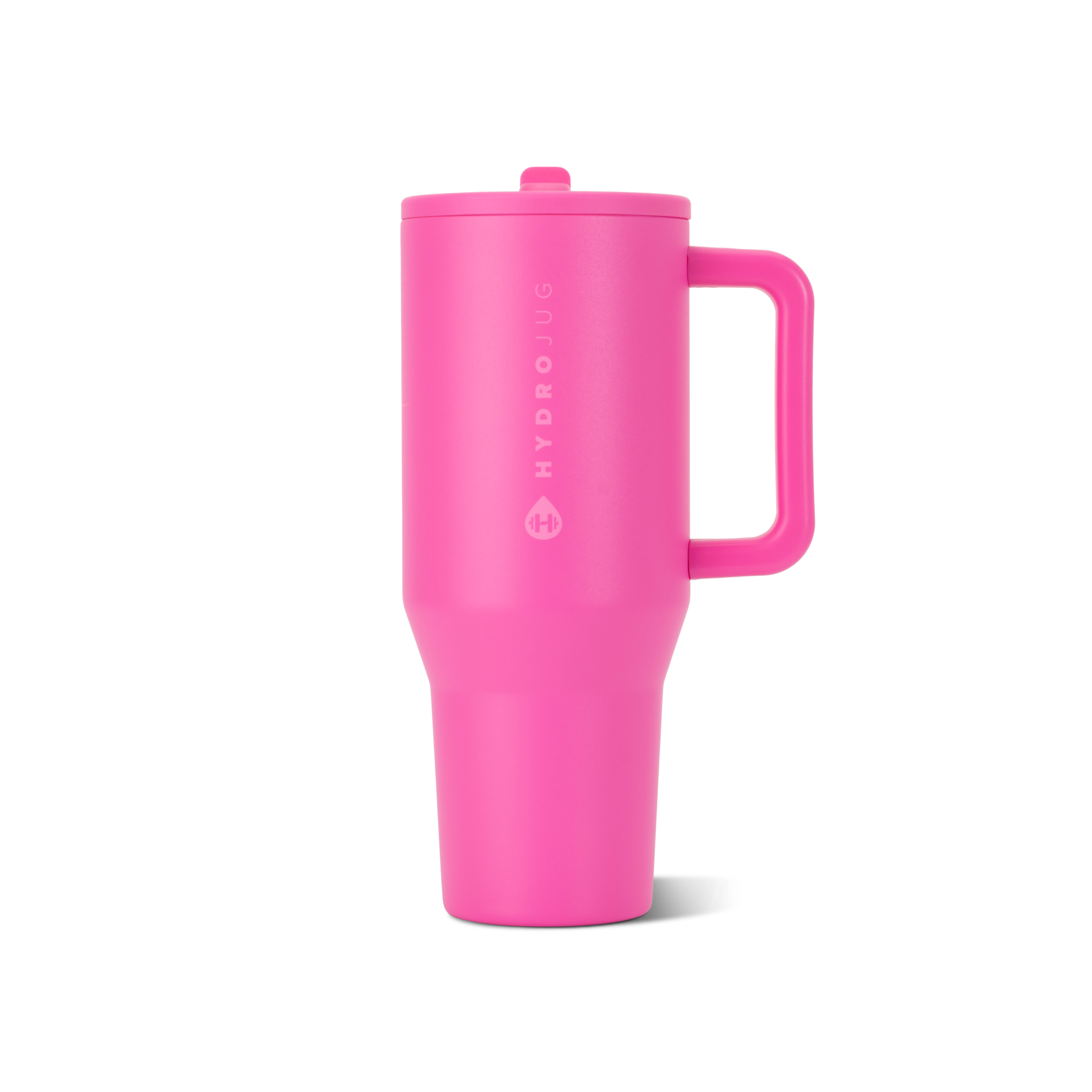
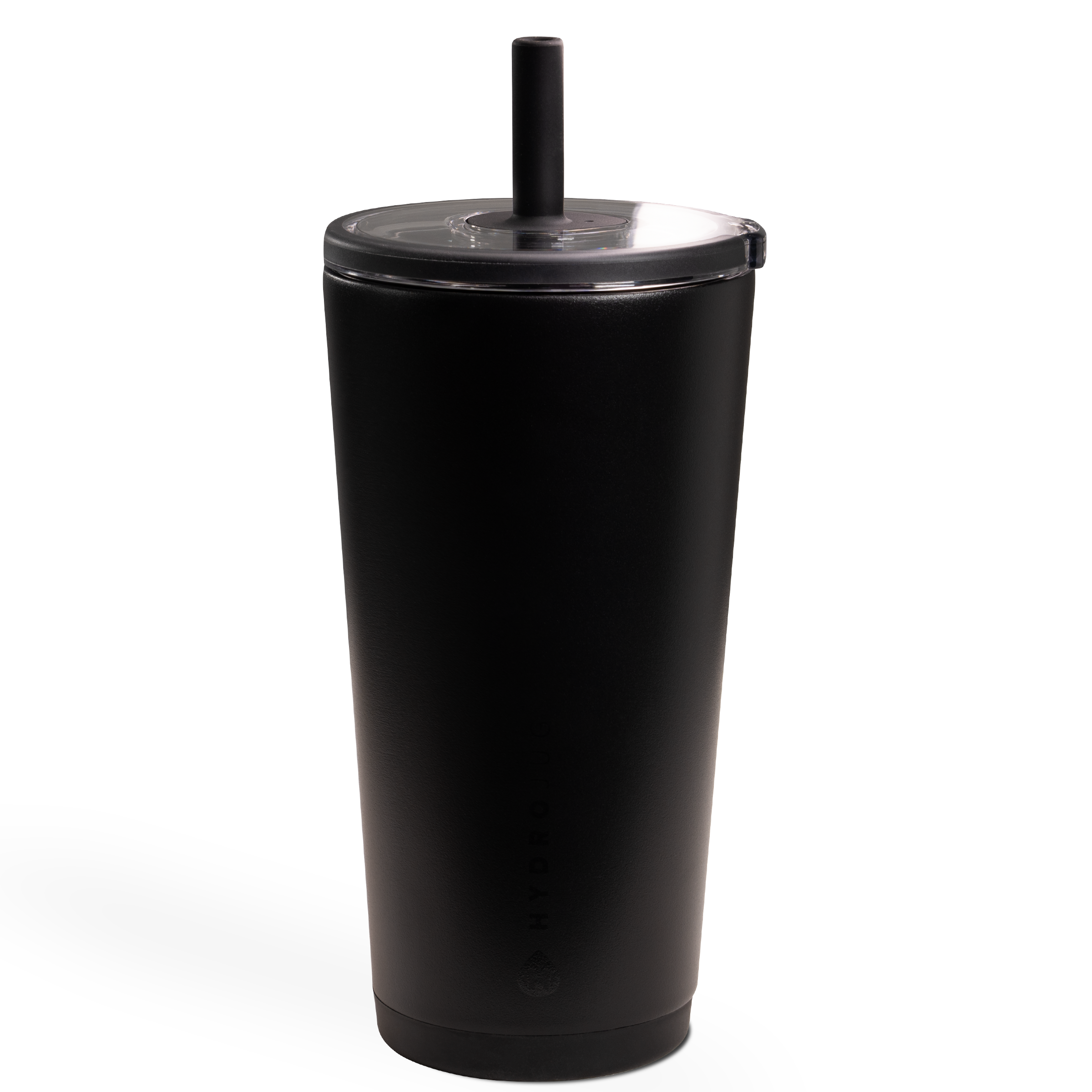
Staying hydrated during activity supports energy and recovery. Many people find that keeping water nearby – like with a desk-friendly Everyday Tumbler or a larger Traveler 40oz – helps hydration stay consistent on busy days.
Practice Time Management
Managing time effectively can significantly reduce stress.
Breaking tasks into smaller steps, setting realistic deadlines, and prioritizing responsibilities helps create a sense of control. Avoiding multitasking and focusing on one task at a time can improve productivity while lowering stress levels.
Cultivate Supportive Relationships
Strong social connections play an important role in mental health.
Spending time with supportive friends or family, or participating in community activities, provides comfort and perspective during stressful periods. Sharing experiences and feelings often helps reduce emotional strain.
Practice Relaxation Techniques
Relaxation techniques help counteract stress responses.
Incorporate calming practices such as deep breathing, progressive muscle relaxation, guided imagery, or listening to soothing music. Finding techniques that resonate with you – and practicing them regularly – helps your body shift out of stress mode.
Managing stress is essential for maintaining mental and emotional well-being. By adopting mindful habits, staying active, supporting your body with hydration, and setting healthy boundaries, you can navigate stress with greater resilience.
Stress may be part of life, but it doesn’t have to control it. Prioritizing your well-being through small, intentional steps can lead to a calmer, more balanced day-to-day experience.