





Signs You Are Overtraining
As an athlete or active individual, you may have heard the term overtraining – but what does it actually mean, and how can you tell if it’s happening to you?
Overtraining, sometimes referred to as Overtraining Syndrome, occurs when your body doesn’t have enough time or resources to recover from repeated intense training. Instead of getting stronger or faster, performance can stall or decline, and injury risk increases.
Pushing yourself is often part of reaching goals – whether that’s a competition, a race, or a new personal record. But without adequate rest, nutrition, and hydration, the body can become overstressed and work against your progress rather than for it.
Understanding Overtraining Syndrome
Overtraining doesn’t show up overnight.
It develops gradually when training stress outweighs recovery for too long. The symptoms can appear both physically and mentally, and they often overlap – making them easy to miss if you’re focused on pushing through discomfort.
Physical Signs of Overtraining
Physical symptoms are often the first signals that recovery is falling behind.
Some common physical signs include:
- Performance plateaus or declines
- “Heavy” or fatigued legs even during low-intensity training
- Feeling sore or unrecovered for longer than usual
- Poor sleep or difficulty falling asleep
- Feeling unable to fully rest
- Persistent low energy throughout the day
If hydration is inconsistent, fatigue and brain fog can feel more intense – this guide on how hydration supports mental clarity explains why hydration matters during heavy training periods.
Mental and Emotional Signs of Overtraining
Mental fatigue often accompanies physical overtraining.
Some common mental symptoms include:
- Decreased motivation
- Mood changes or irritability
- Loss of enjoyment in training or daily activities
Mental health plays a major role in recovery. Chronic stress and insufficient rest can compound the effects of physical overtraining. This connection is explored further in how hydration can affect mental health.
Other Signs to Watch For
In some cases, additional symptoms may appear, including:
- Missed or irregular menstrual cycles
- Appetite loss
- Getting sick more frequently
- Elevated blood pressure
These signs indicate that the body is under sustained stress and may need a reset.
What to Do If You’re Overtraining
If you notice several of these symptoms, it’s time to listen to your body.
Rest may feel counterproductive when you’re chasing goals, but it’s often the most effective way to return stronger. Recovery allows your body to repair tissue, restore energy systems, and reset mentally.
Supporting recovery includes:
- prioritizing rest and sleep
- fueling your body with adequate nutrition
- staying consistently hydrated
- reducing training intensity temporarily
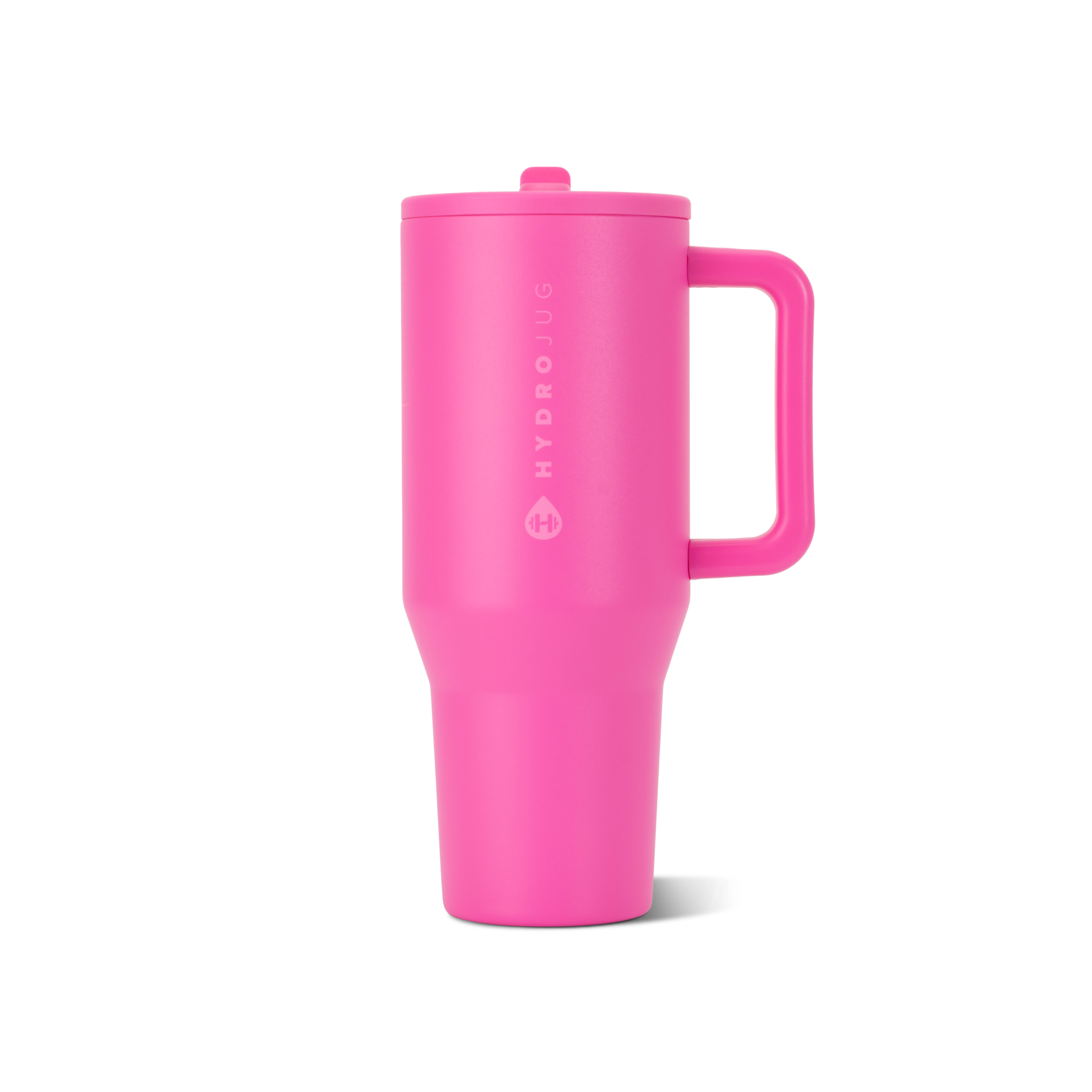
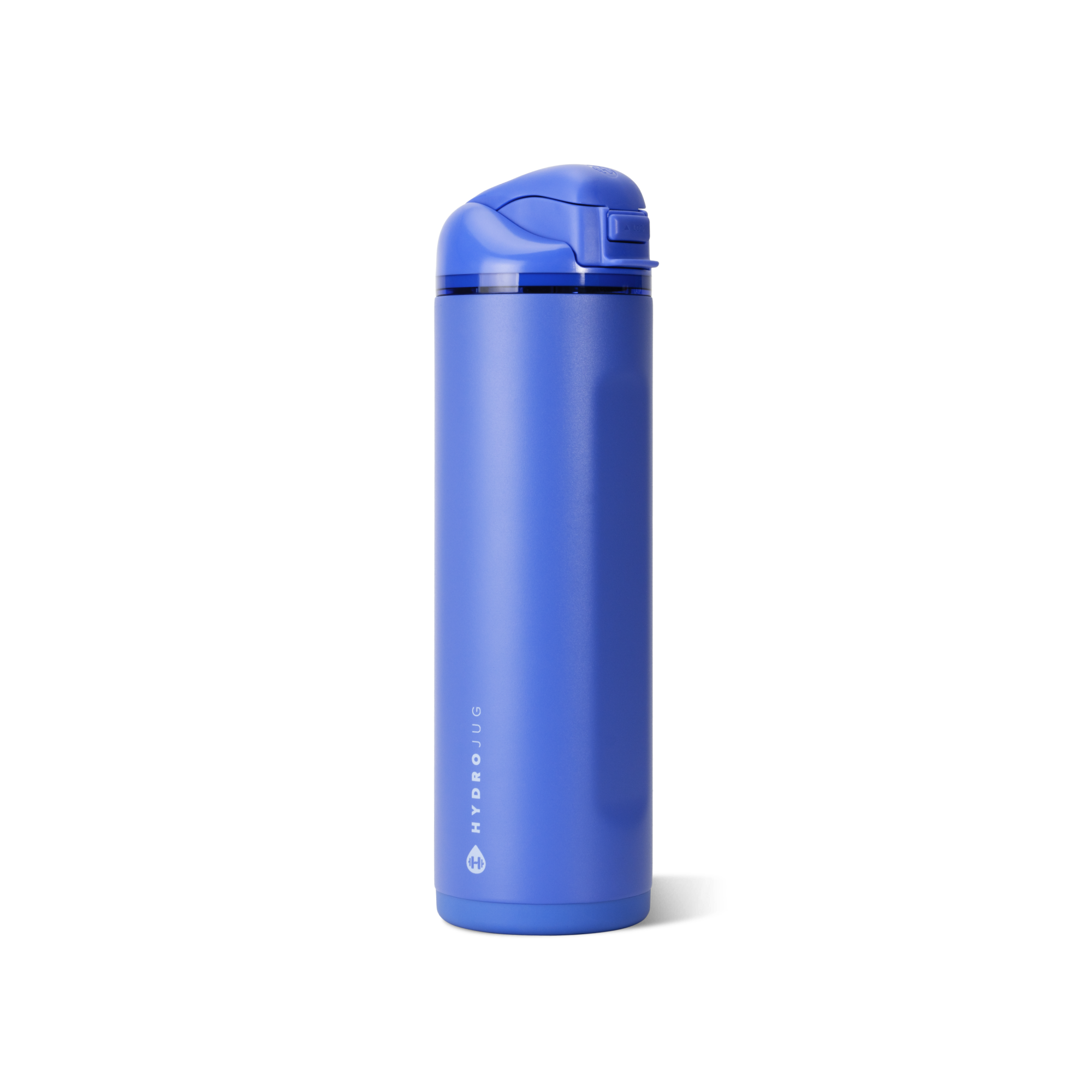
During recovery periods, many athletes find it helpful to focus on hydration habits without pressure. Keeping water nearby with an easy, no-effort option like a 32oz Sport Bottle or an Everyday Tumbler can support recovery without adding another task to your routine.
Returning to Training Safely
The best way to recover from Overtraining Syndrome is to take sufficient rest, support mental health, and gradually return to training once symptoms resolve.
Ease back in slowly. Pay attention to how your body responds, and don’t rush the process. Long-term consistency matters more than short-term intensity.
Overtraining doesn’t mean you’re weak – it means you care enough to push yourself. Learning when to rest is part of becoming a stronger, healthier athlete.