


Maximizing Your Zzz's- Tips for Better Sleep
March is National Sleep Awareness Month, a reminder of how important quality sleep is for overall health and well-being. While bedtime routines and sleep environments often get the spotlight, hydration plays an important – and sometimes overlooked – role in sleep quality.
Being properly hydrated supports temperature regulation, circulation, and comfort at night, all of which can influence how easily you fall asleep and how well you stay asleep. Below, we’ll explore hydration strategies that support better sleep habits and why a well-hydrated body is better equipped for restful, restorative sleep.
Hydration Strategies for Better Sleep Habits
Sip Throughout the Day
Staying hydrated consistently during the day is one of the most effective ways to support sleep at night. Rather than drinking large amounts of water right before bed – which can lead to nighttime bathroom trips – aim for steady hydration from morning through evening.
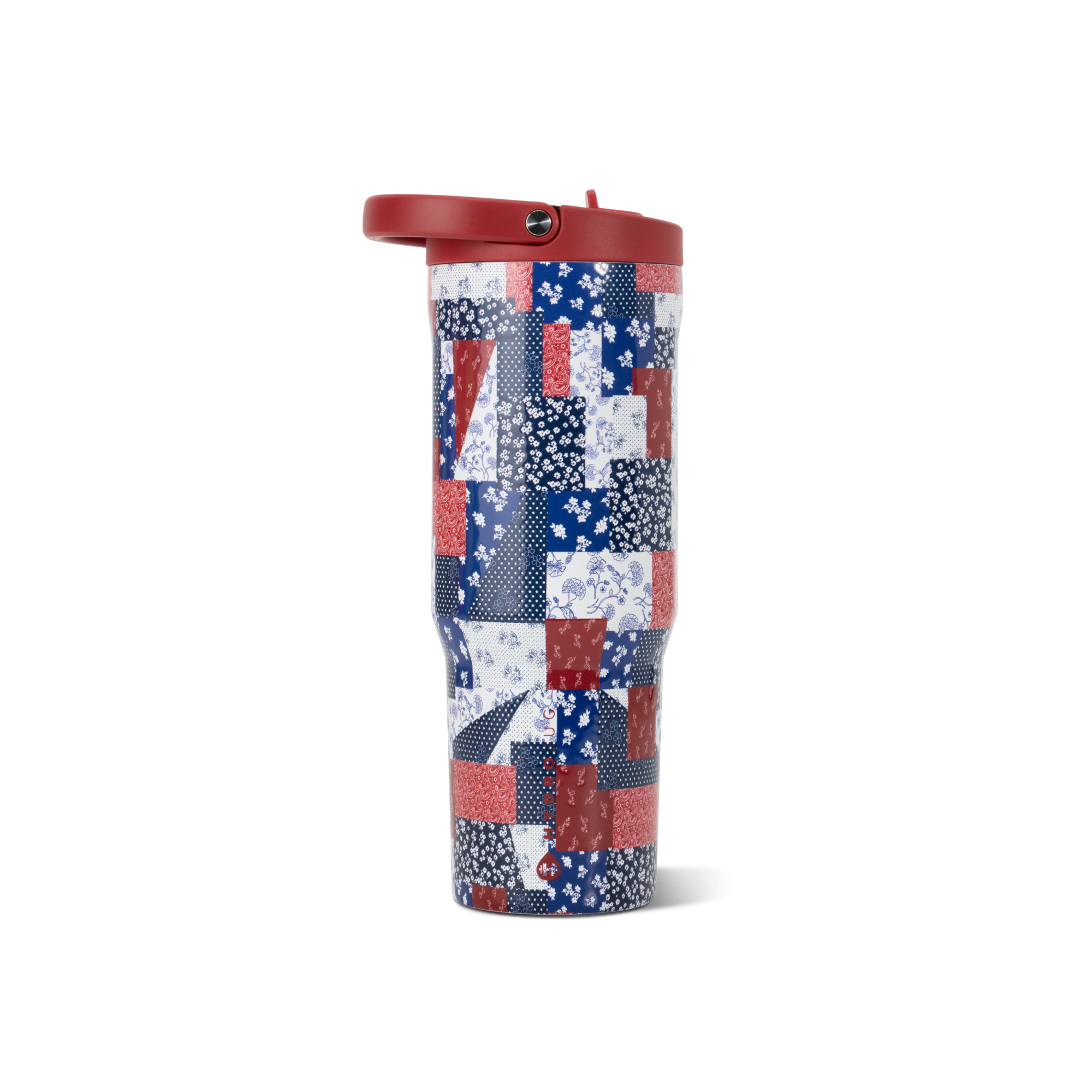
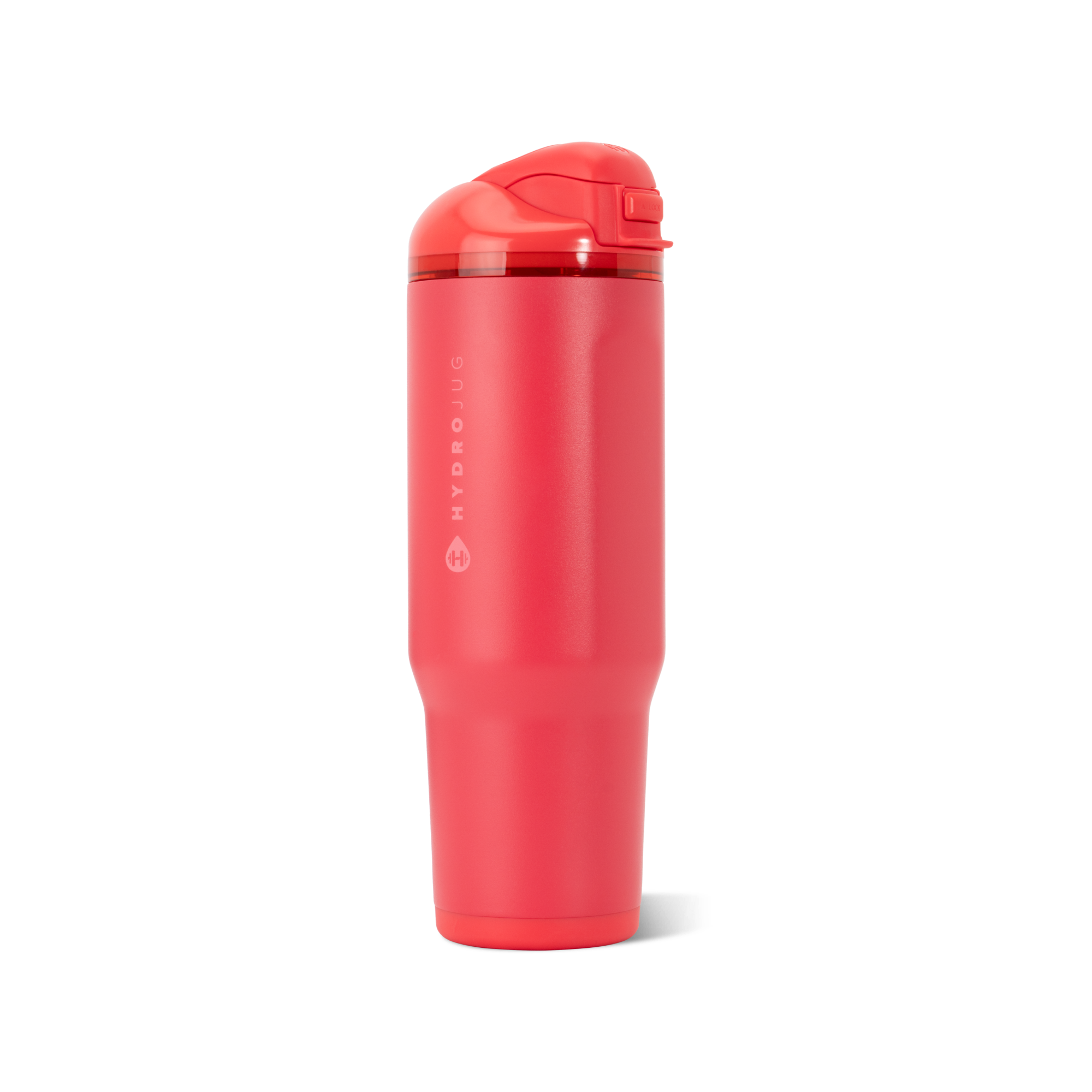
Keeping water nearby during the day can help make this habit easier. For all-day hydration without constant refills, a larger bottle like the Pro Jug 73oz can help you meet your intake earlier, so you’re not playing catch-up at night.
Monitor Your Evening Intake
Be mindful of how much and what you drink in the evening hours – especially if you’re prone to waking up at night to use the bathroom. Limiting caffeine and alcohol later in the day can help reduce sleep disruptions and dehydration.
Consider Herbal Teas
Hydrating herbal teas like chamomile, lavender, or valerian root can be a calming addition to an evening routine. These caffeine-free options support hydration while also encouraging relaxation and a sense of calm before bed.
Hydrate Smartly Before Bed
While it’s best to avoid large volumes of liquid right before sleep, a small glass of water can help relieve nighttime thirst and prevent dehydration-related discomfort. Room-temperature or lukewarm water is often gentler on the body, as extreme temperatures may interfere with natural temperature regulation.
The Benefits of a Well-Hydrated Body for Restful Sleep
Enhanced Sleep Quality
Adequate hydration supports your body’s natural sleep–wake cycle. A well-hydrated body is better equipped to regulate temperature, hormones, and neurotransmitters during sleep – factors that influence how deeply and comfortably you rest.
Reduced Nighttime Disruptions
Dehydration can contribute to nighttime awakenings due to thirst, headaches, or general discomfort. Maintaining proper hydration earlier in the day can help minimize these disruptions and support longer, uninterrupted sleep.
Improved Sleep Onset
Hydration helps reduce physical discomfort and supports relaxation, making it easier for your body to transition into sleep. When hydration is balanced, falling asleep can feel smoother and less interrupted by restlessness.
Building Sleep-Friendly Hydration Habits
Improving sleep doesn’t require drastic changes – small, consistent habits make the biggest difference:
- Hydrate steadily during the day
- Slow down fluid intake in the late evening
- Choose caffeine-free drinks at night
- Keep water accessible during daytime hours
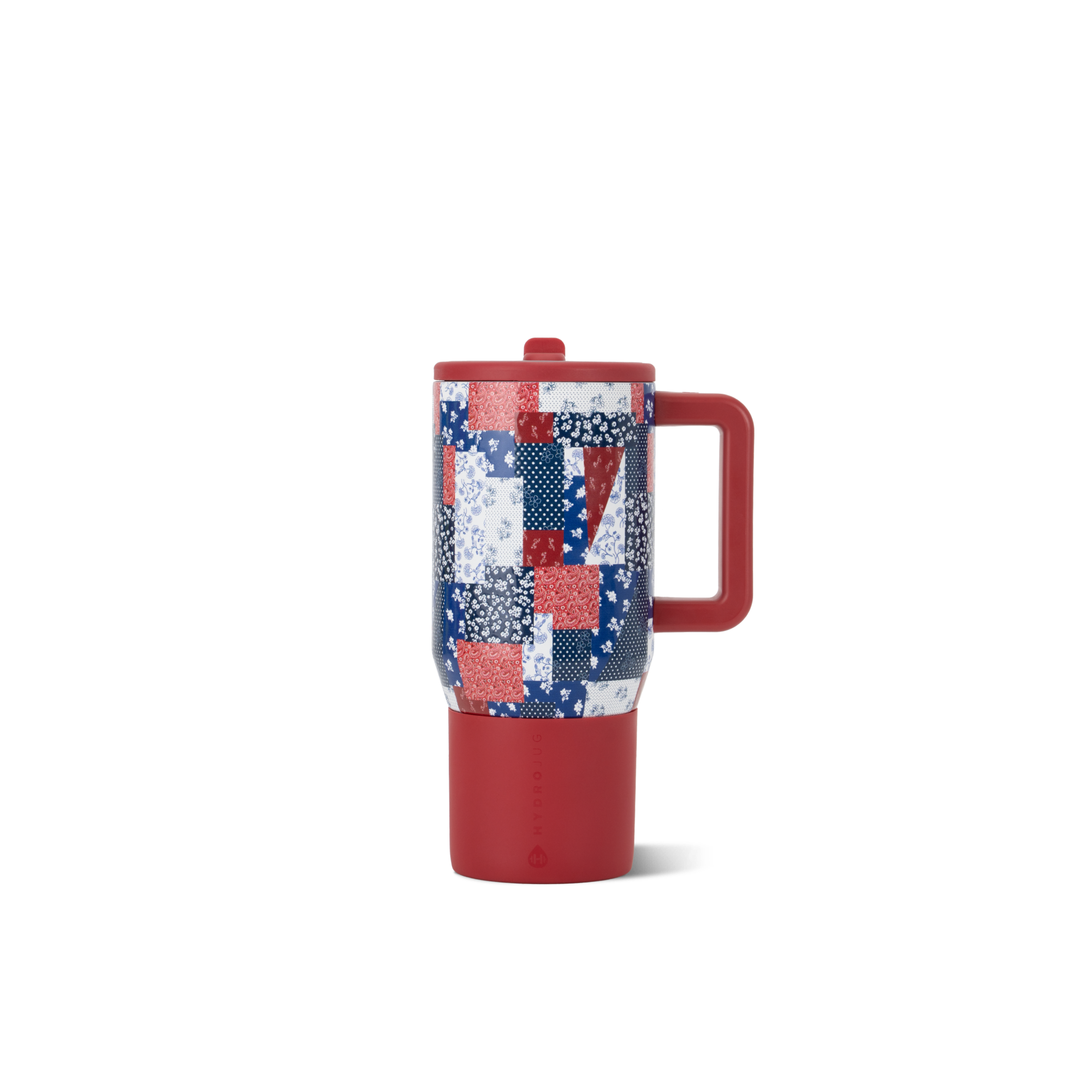
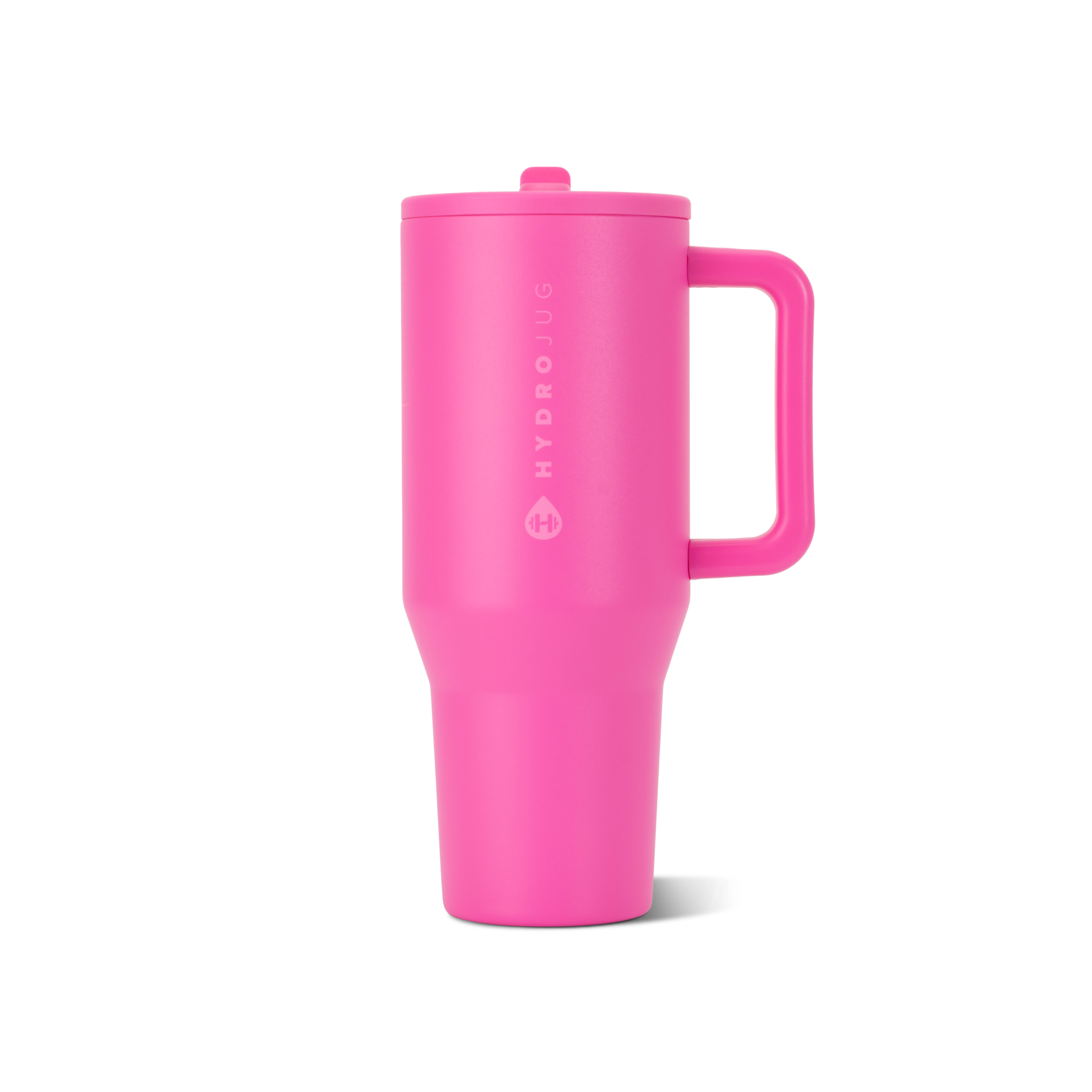
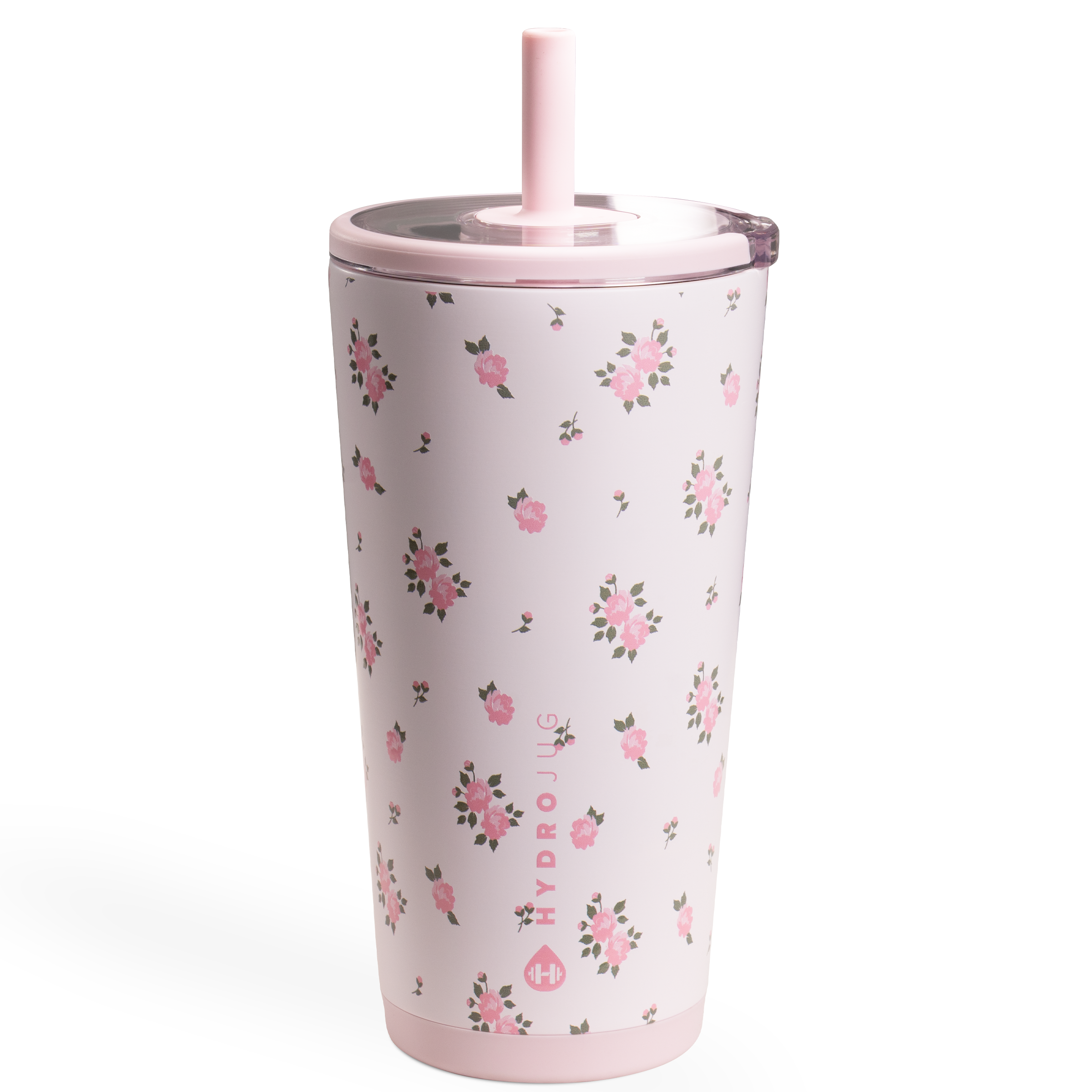
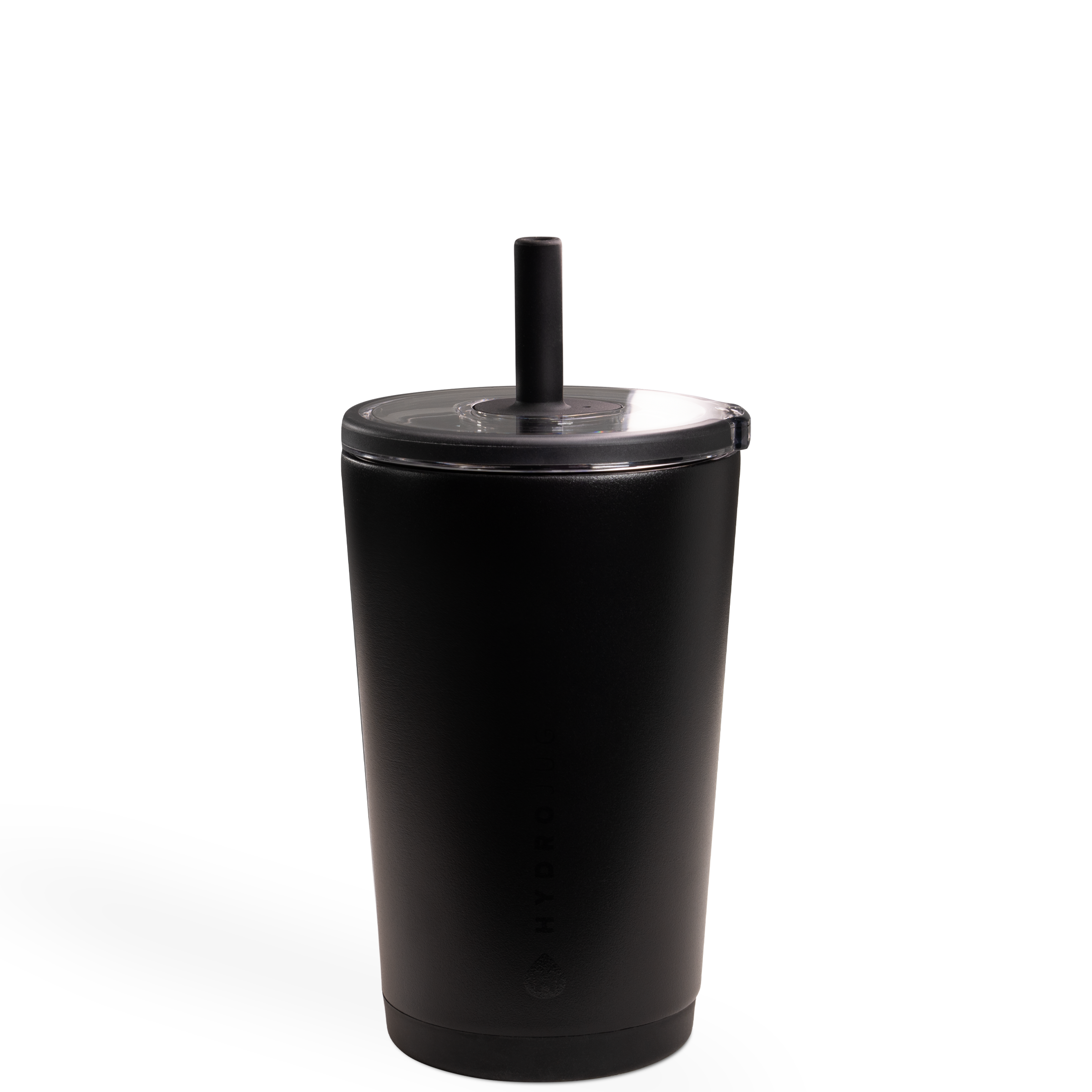
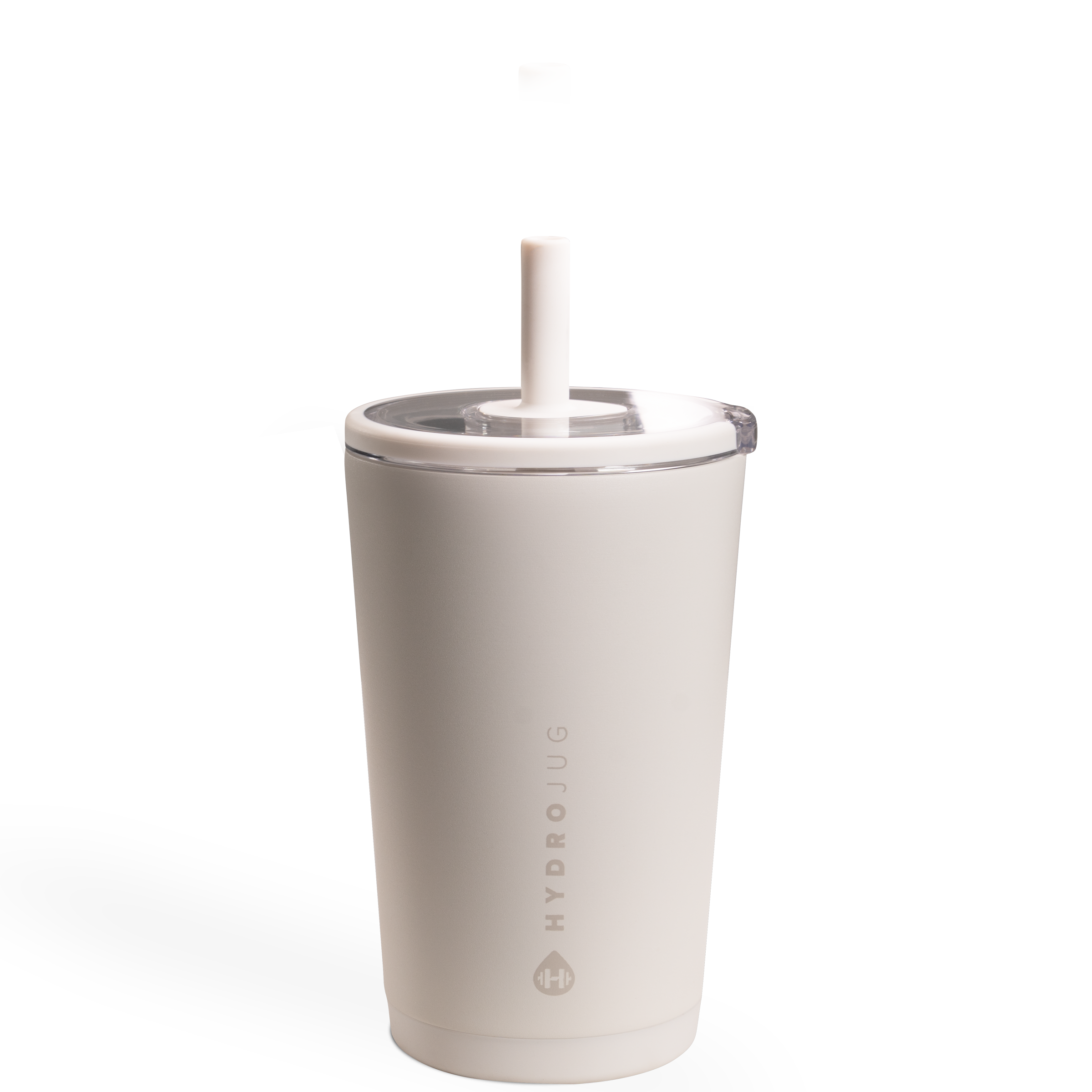
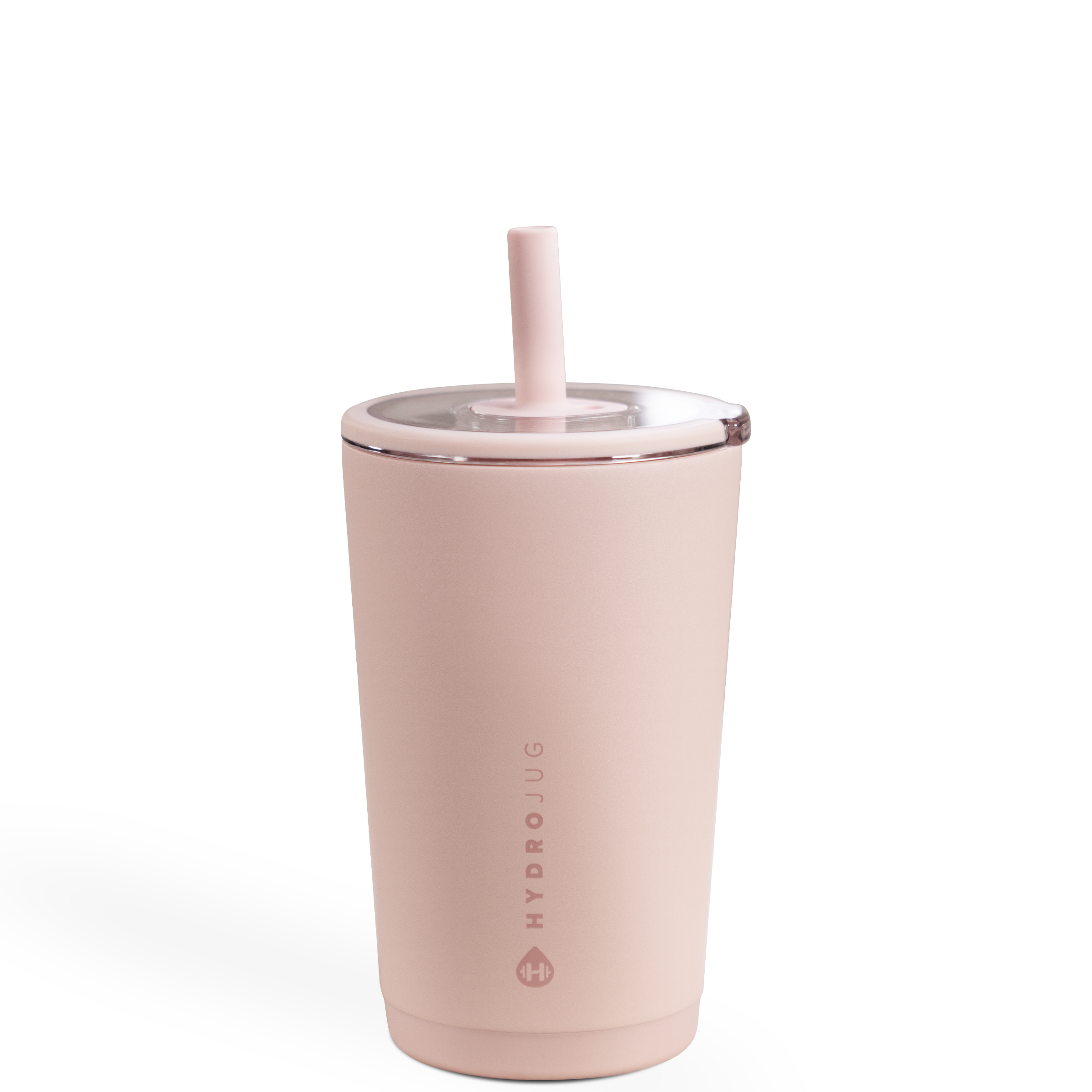
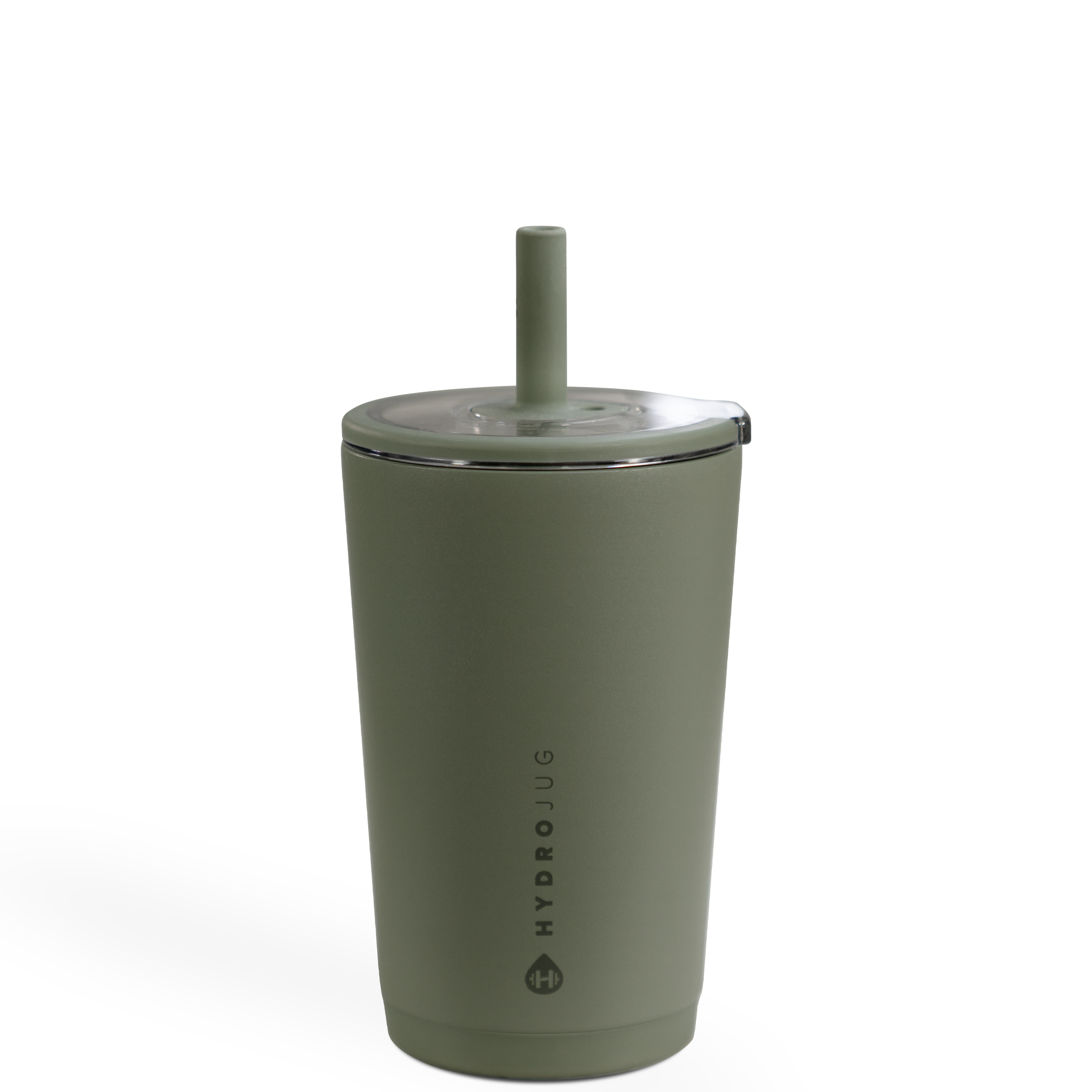
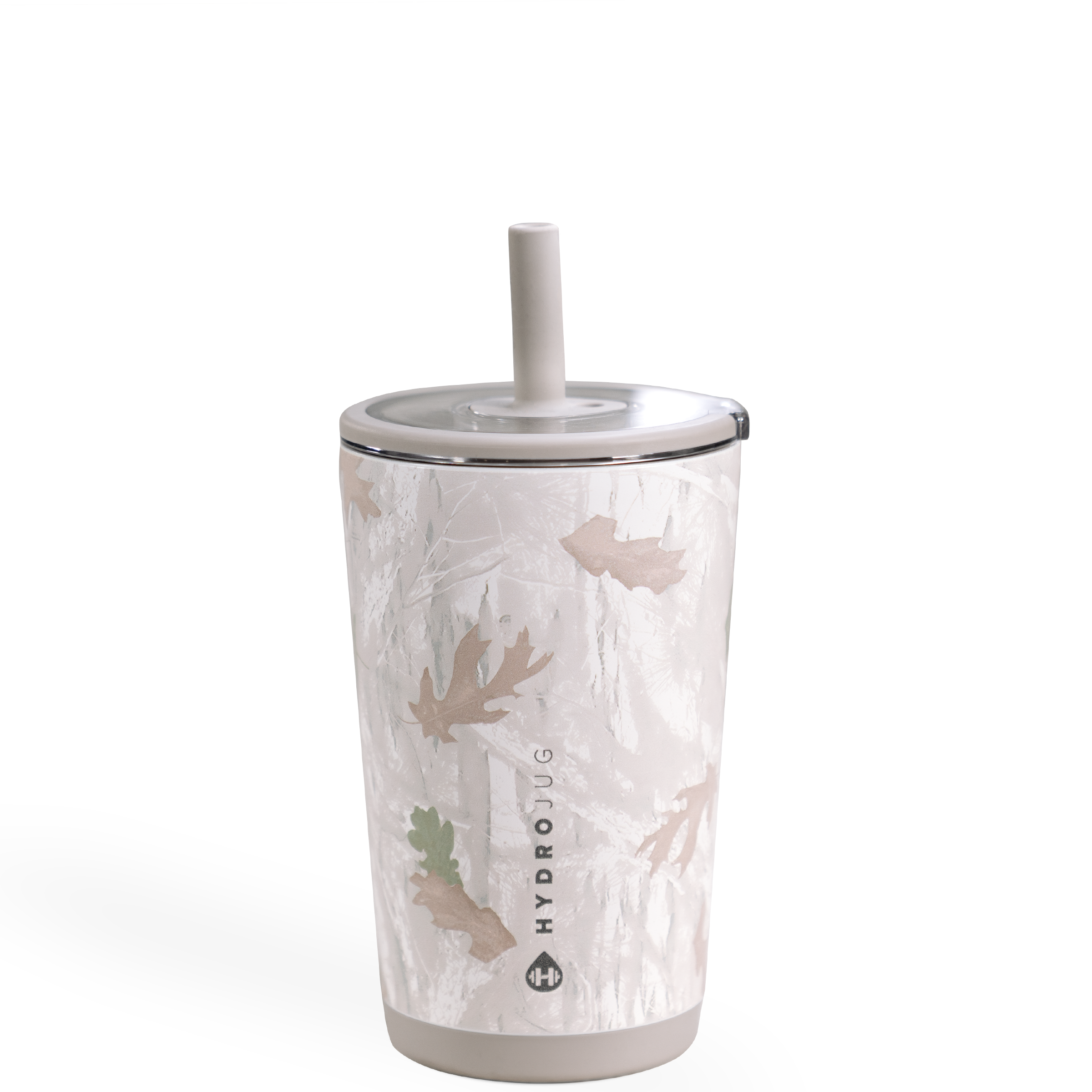
For many people, having a bottle they enjoy using helps hydration feel effortless. Whether it’s a desk-friendly Everyday Tumbler during the day or a larger bottle to hit intake goals earlier, the goal is consistency – not perfection.
Add better sleep to the list of benefits that staying hydrated brings to your health. This month, challenge yourself to meet your hydration goals earlier in the day and pay attention to how it affects your sleep quality. Supporting your body with proper hydration is one simple step toward better rest – and better days ahead.