


Is Your Cold Water Dehydrating You?
Do you prefer ice-cold water or room temperature? A survey of American adults found that most people prefer cold water – especially on hot days or after exercise. But does the temperature of your water actually affect how hydrated you become?
The short answer: water temperature can influence comfort and how much you drink, but it does not significantly change whether you become hydrated.
Does Water Temperature Affect Hydration?
Hydration ultimately depends on how much water you consume and how your body absorbs it – not strictly on its temperature.
Your body warms or cools water internally to match core temperature before absorption. So whether you drink cold, cool, or room-temperature water, you’re still hydrating effectively.
However, temperature can influence:
- How refreshing the water feels
- How quickly you drink it
- Comfort during exercise or illness
Because of this, certain temperatures may be more beneficial in specific situations.
When Is Cold Water Most Helpful?
Cold water can feel especially beneficial during heat or exertion.
During Workouts
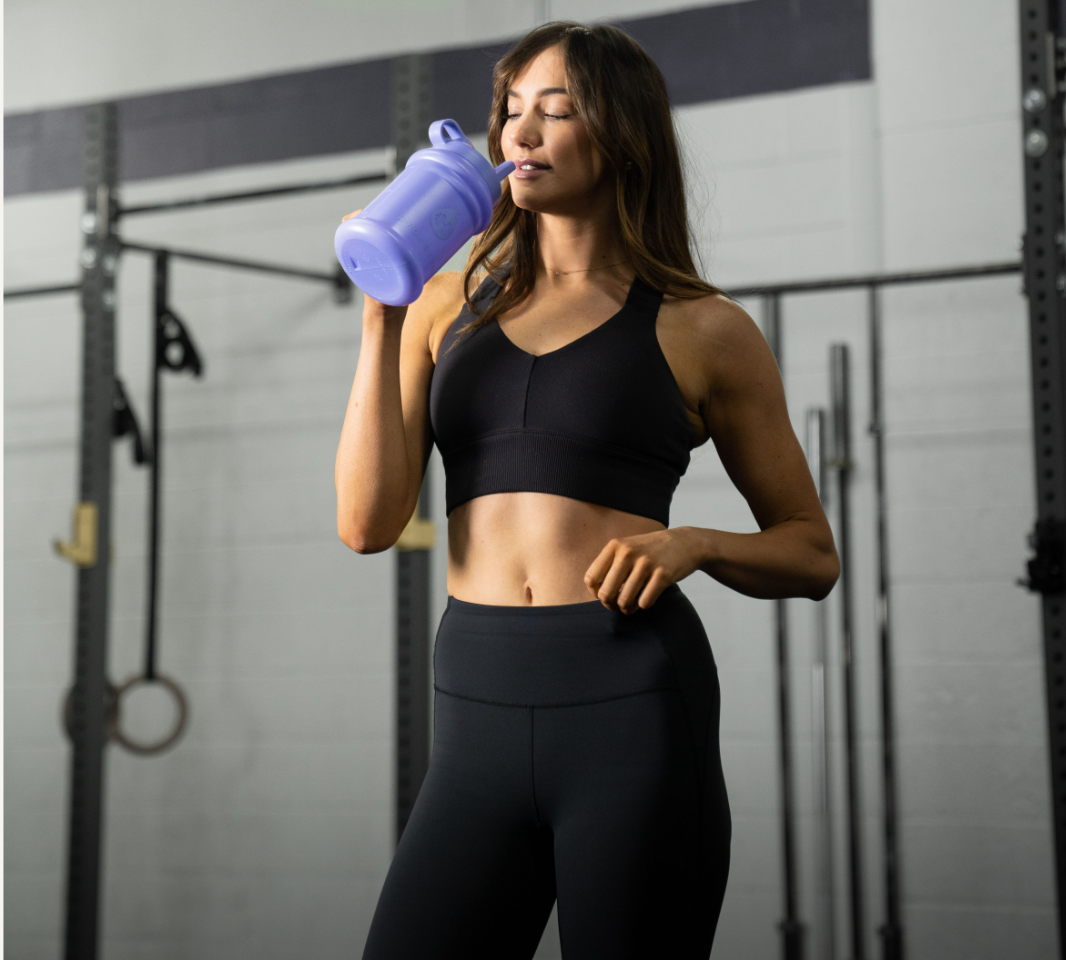
As you exercise, your core temperature rises. Drinking cool water can help reduce internal heat and may make workouts feel more comfortable. Research suggests cool water can help maintain endurance in hot environments.
For more on hydration during exercise, see: How Much Water Do You Need at the Gym?
When You’re Sweating
Cold water often feels more refreshing, which can encourage you to drink more. The more enjoyable hydration feels, the more consistent you’ll be.
To Increase Alertness
Cold water can feel stimulating and may temporarily increase alertness – especially in the morning or during long work sessions.
When Is Warm or Room Temperature Water Better?
There are situations where warmer water may feel more comfortable.
When You’re Congested
Warm liquids can help soothe the throat and temporarily ease sinus congestion.
For Digestive Comfort
Some people prefer warm water because it feels gentler on the stomach, especially first thing in the morning.
When Drinking Larger Volumes
Room-temperature water can sometimes be easier to drink in larger amounts without discomfort.
What Is the Best Temperature to Drink?
There is no single “perfect” temperature for hydration. Some performance research suggests cool water – around 50–69°F – may be optimal during exercise in hot conditions.
But for daily hydration, the best temperature is the one that helps you drink consistently.
Room temperature water is generally around 68–78°F. If you prefer it colder or warmer, that preference is completely fine – what matters most is intake and consistency.
Keep Your Water at the Temperature You Prefer
Hydration habits are easier to maintain when your water tastes and feels the way you like it.
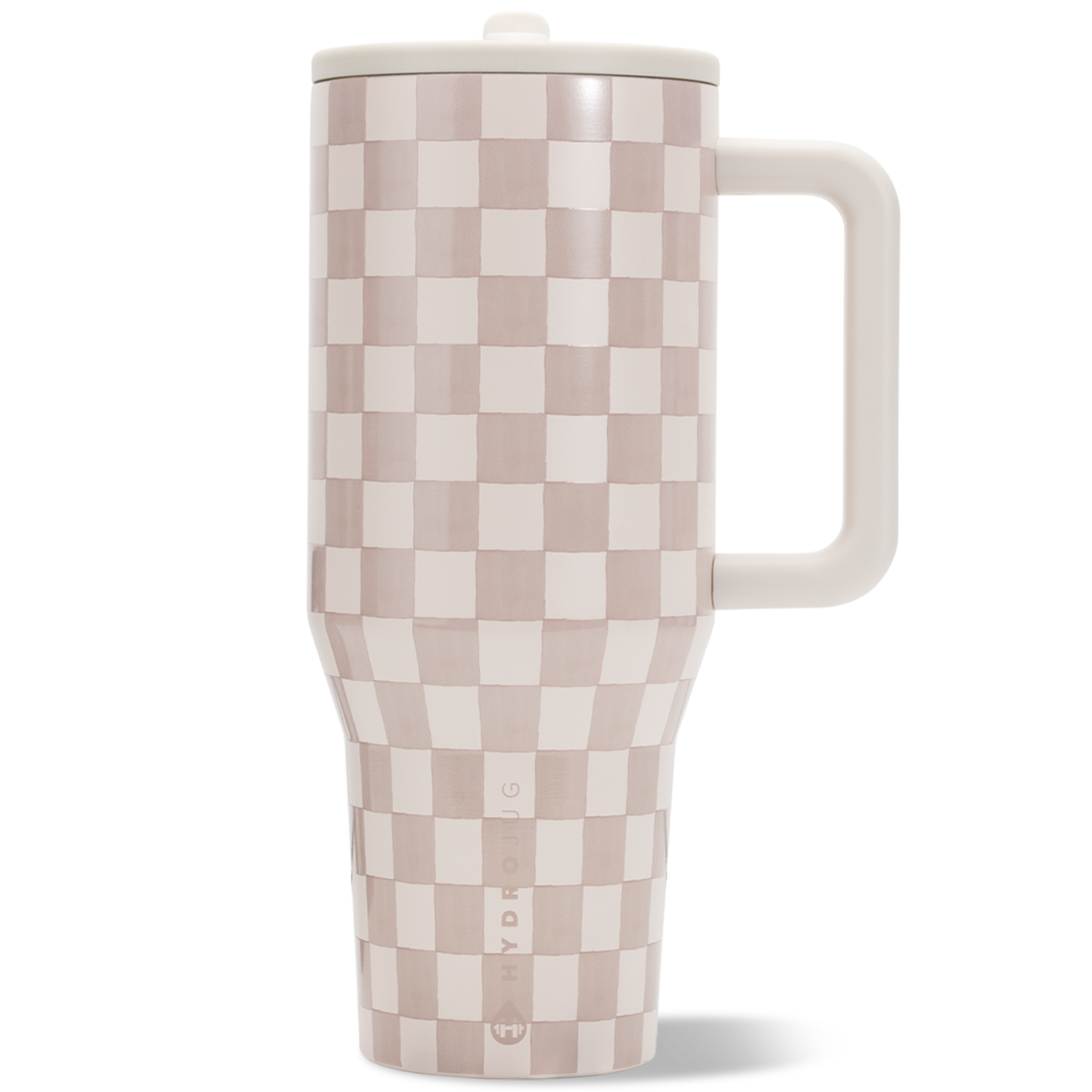
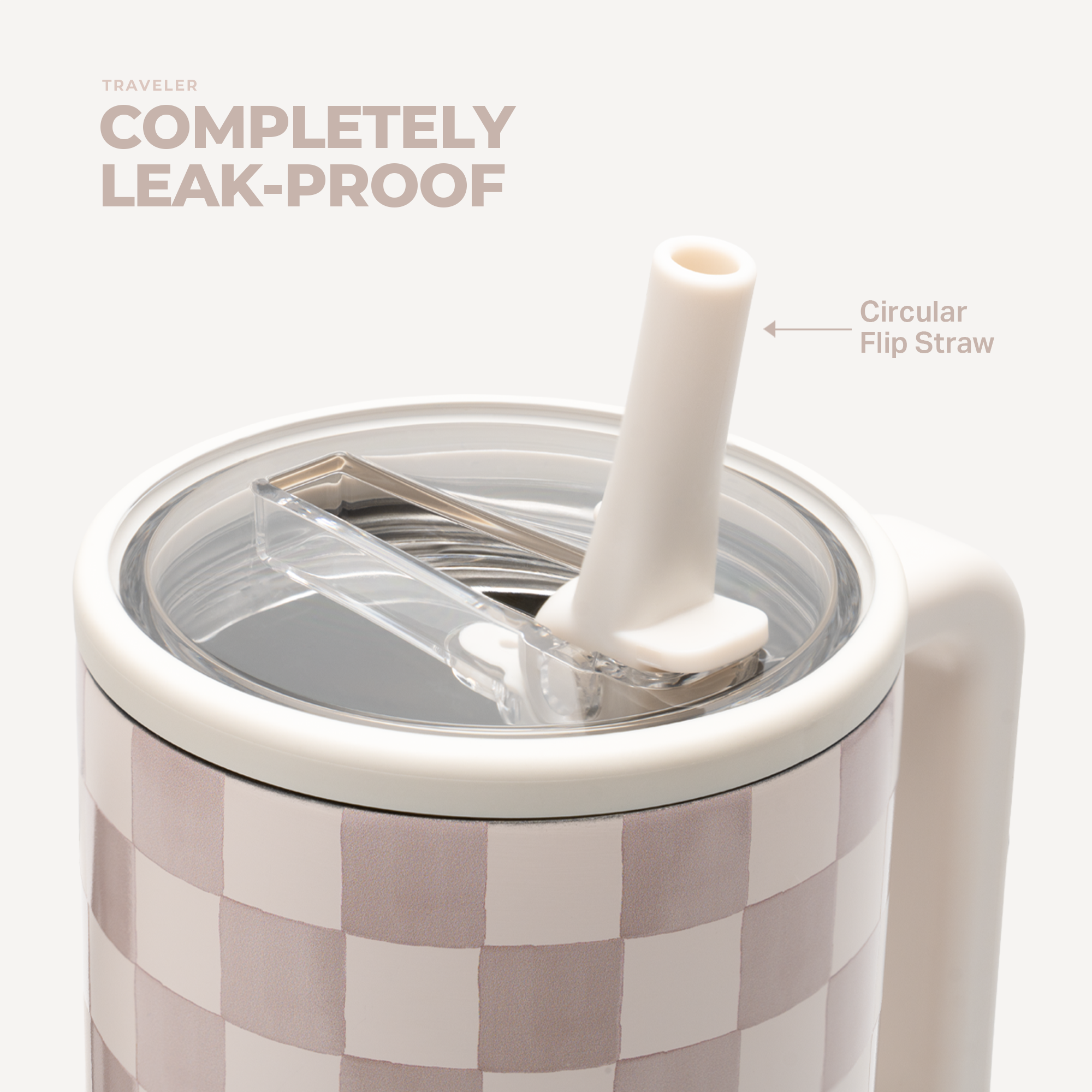
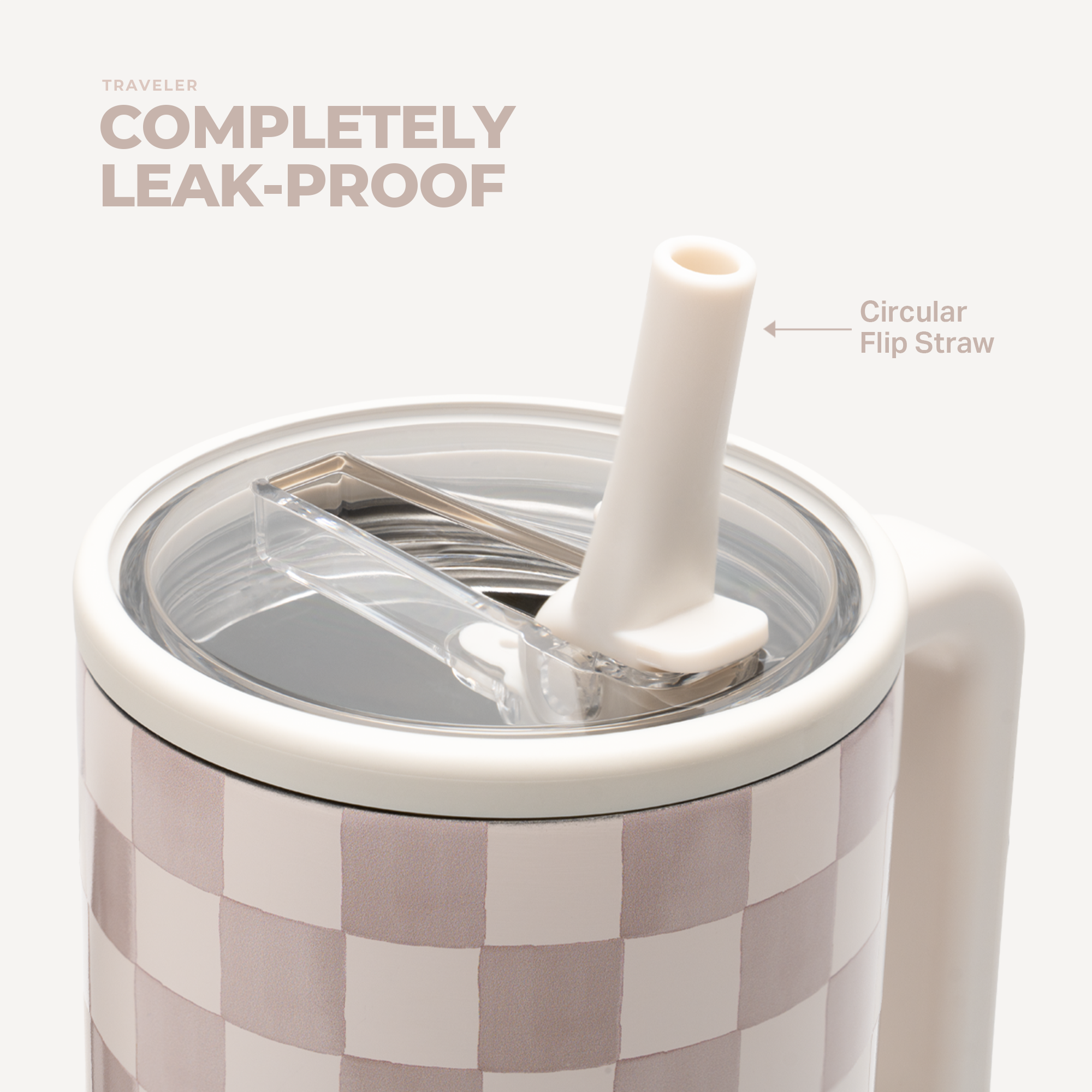
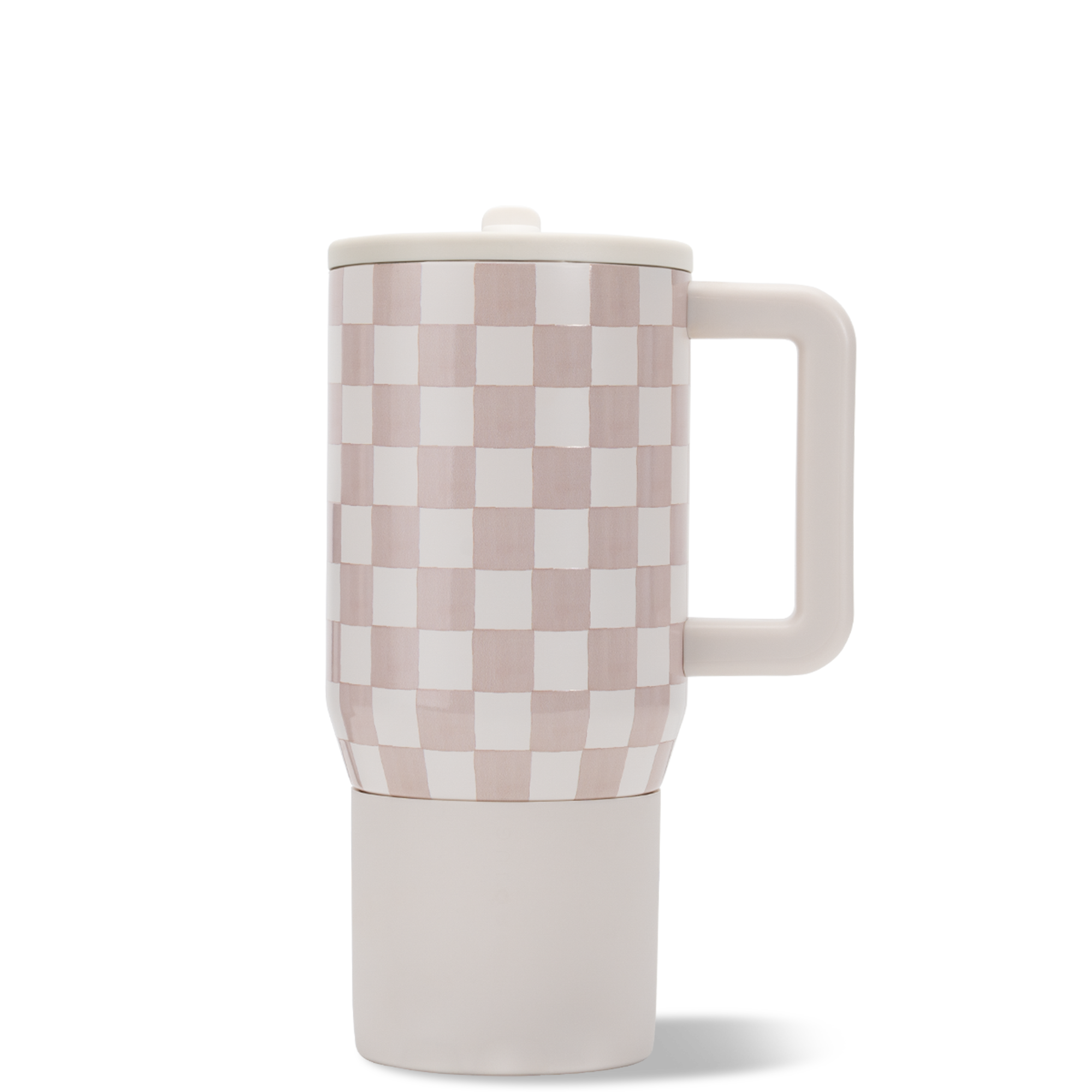
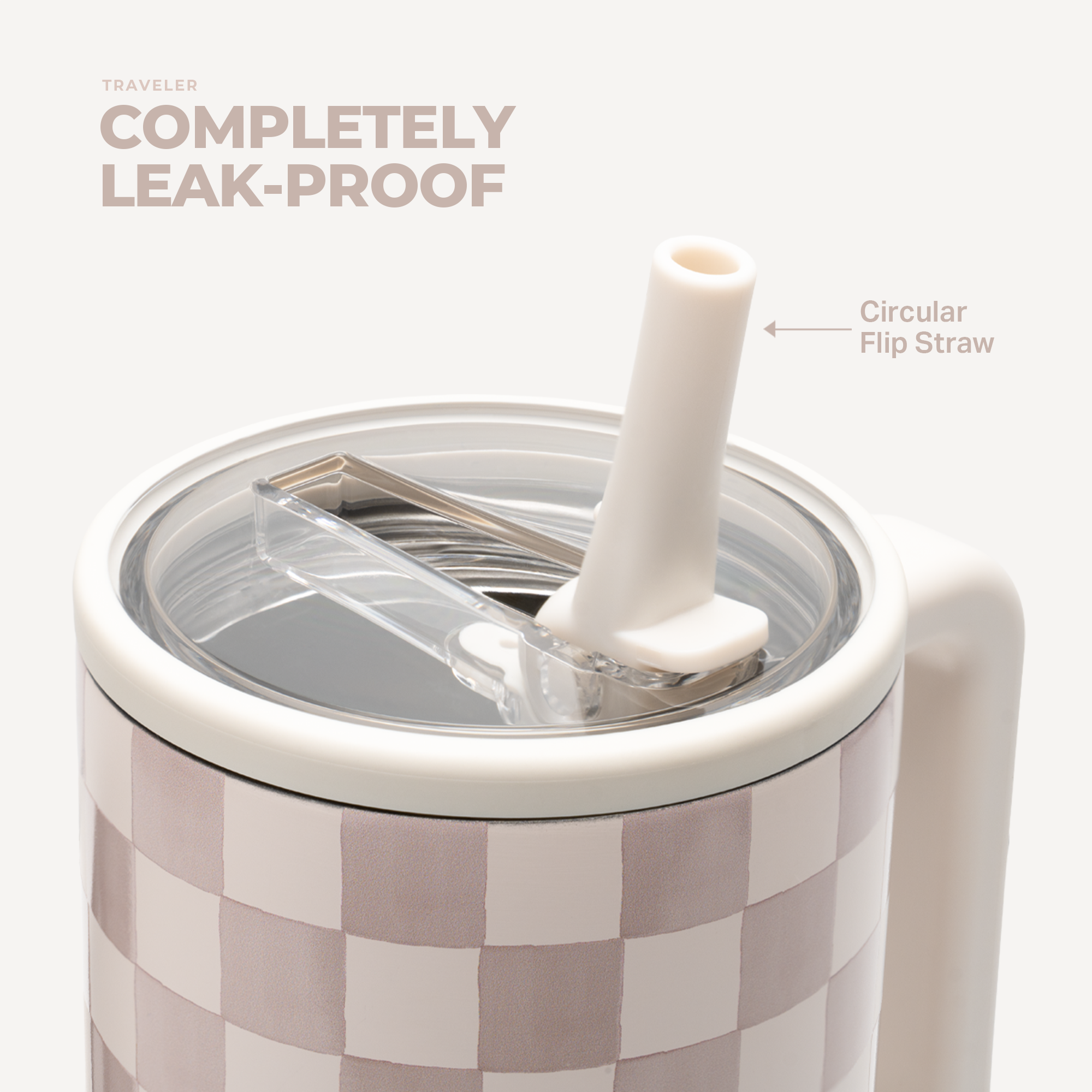
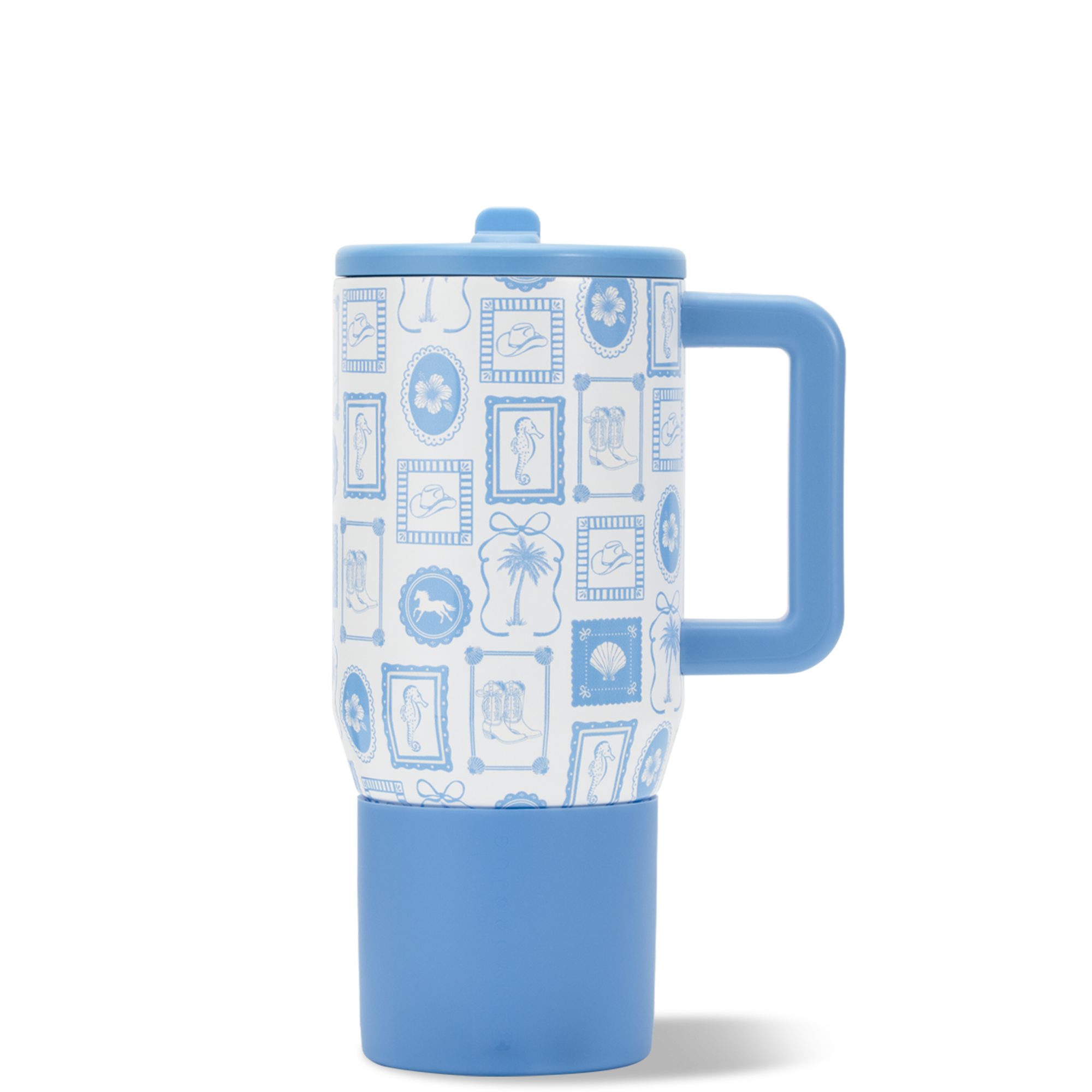
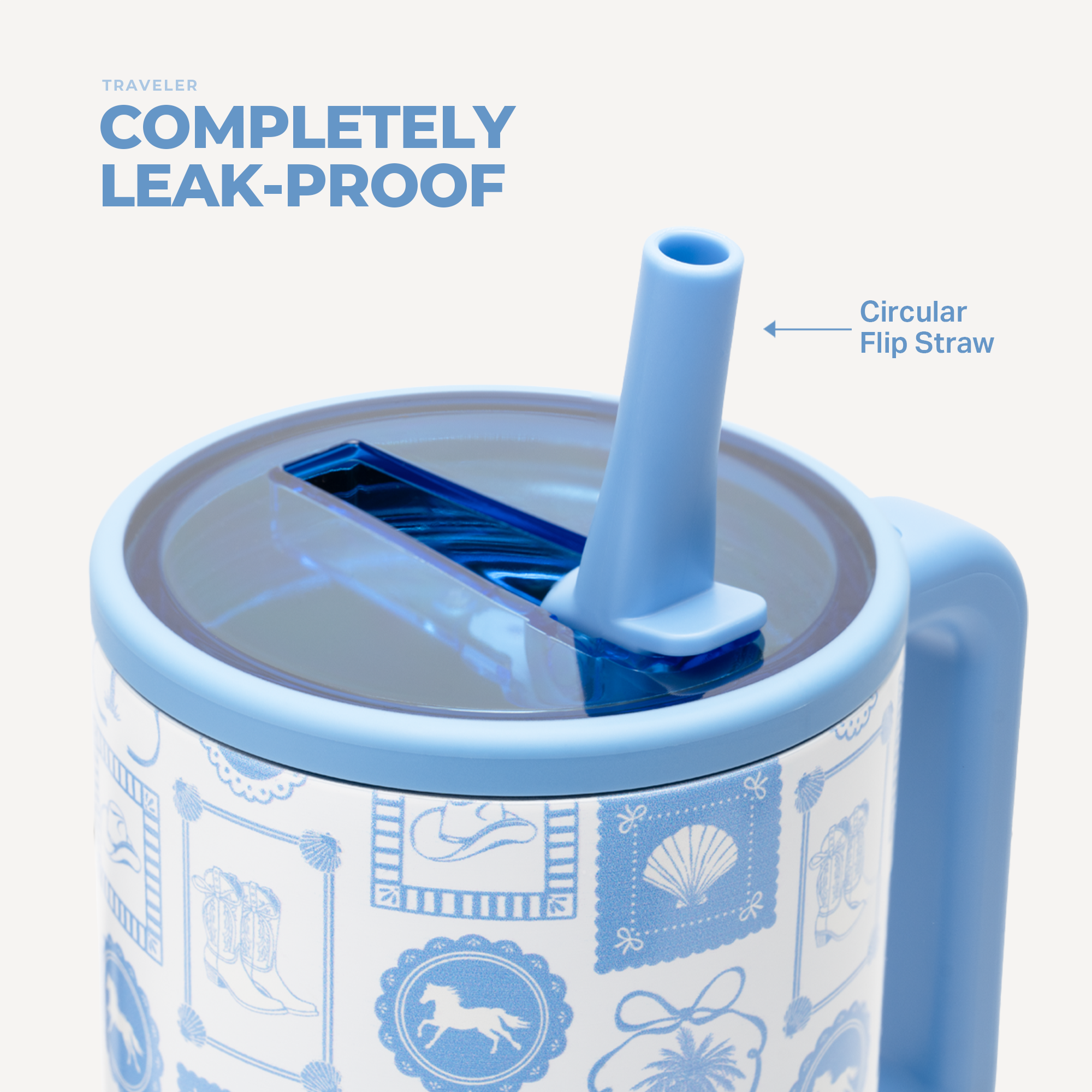
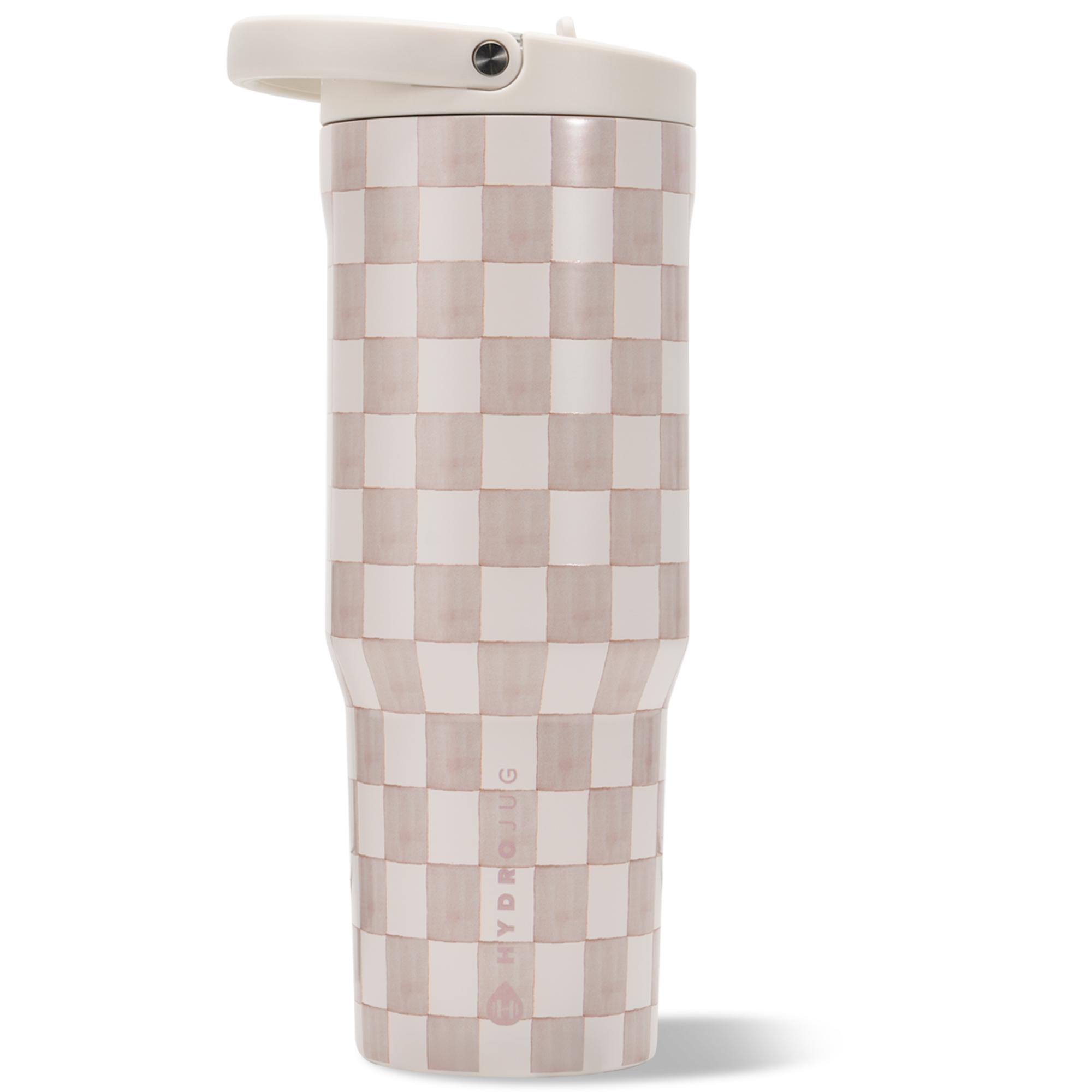
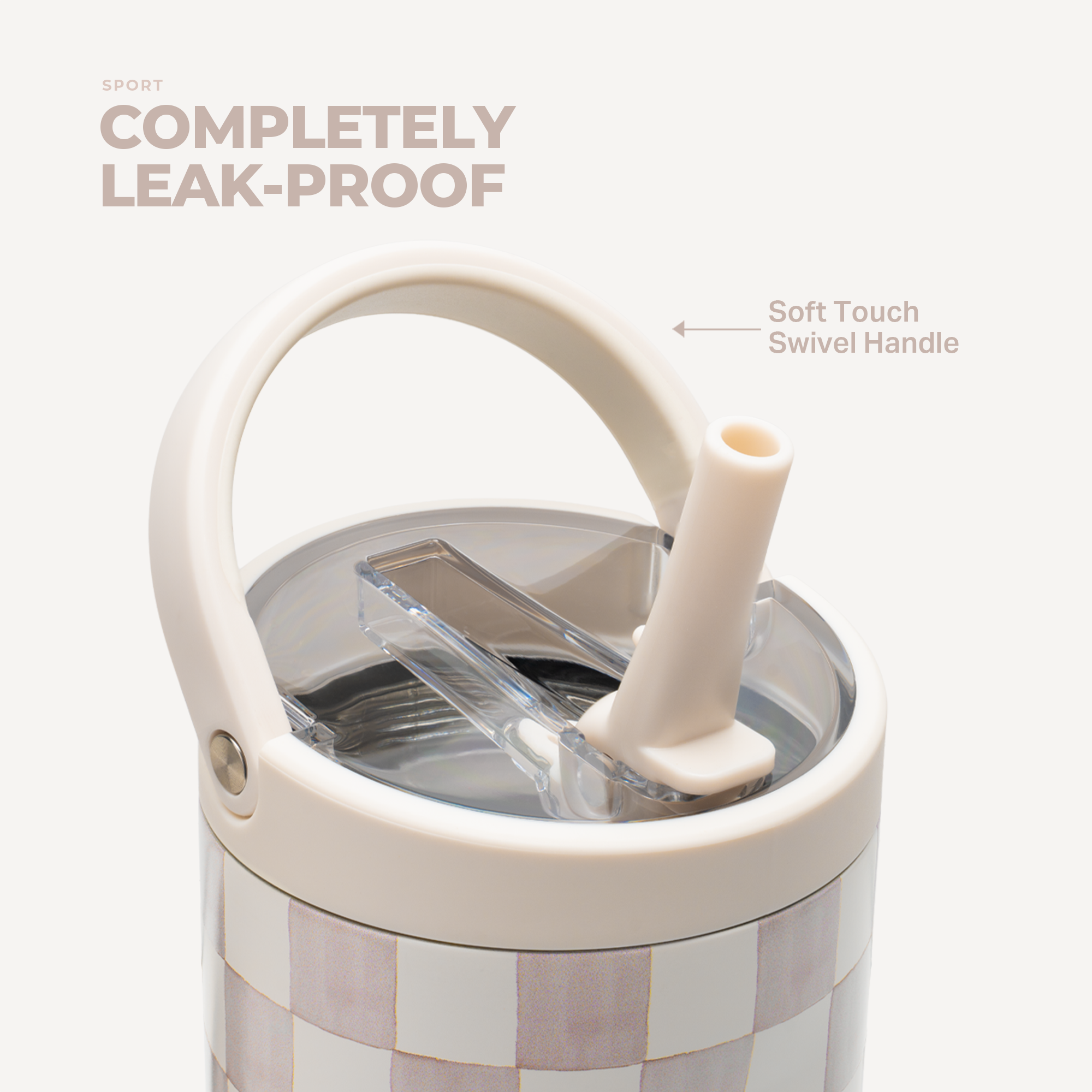
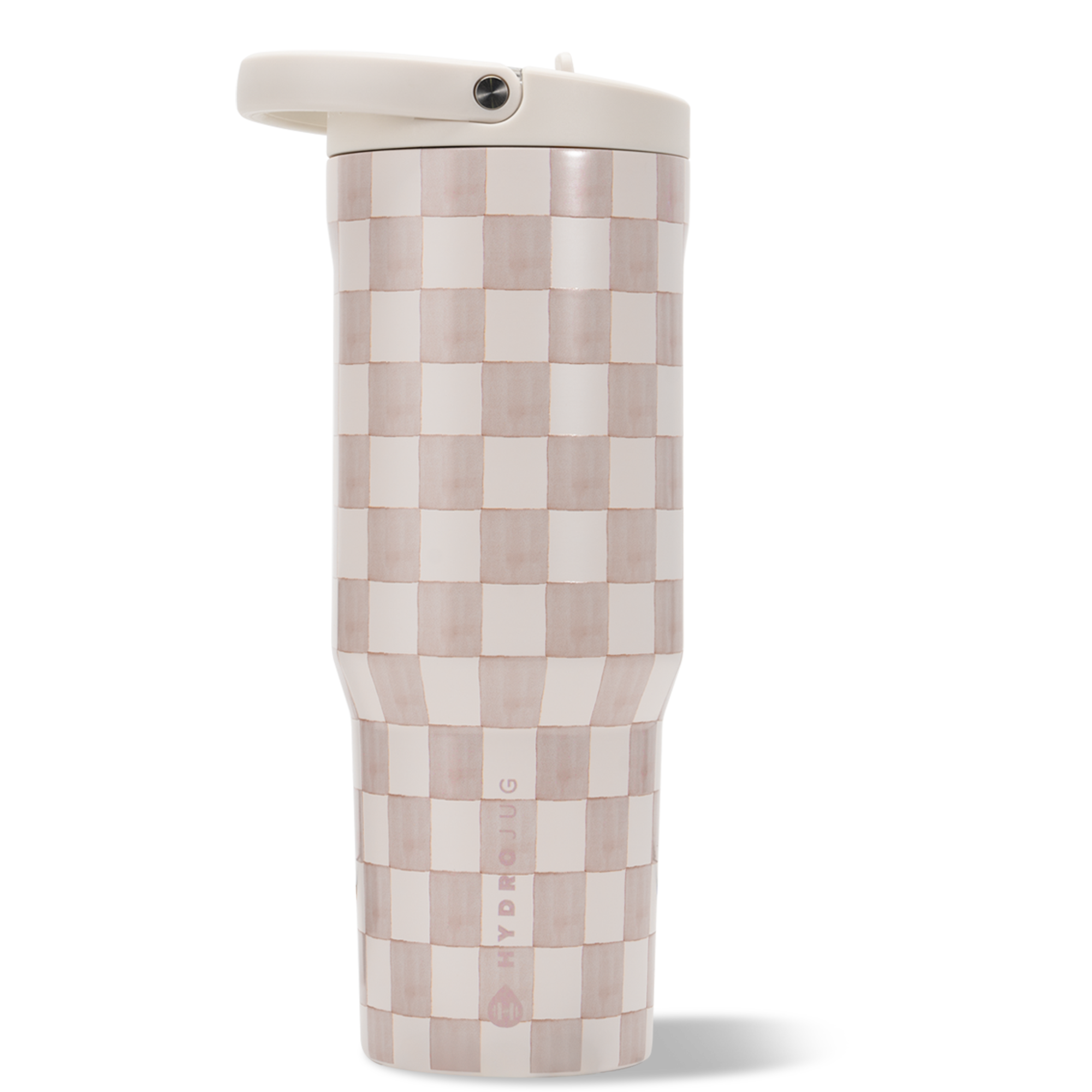
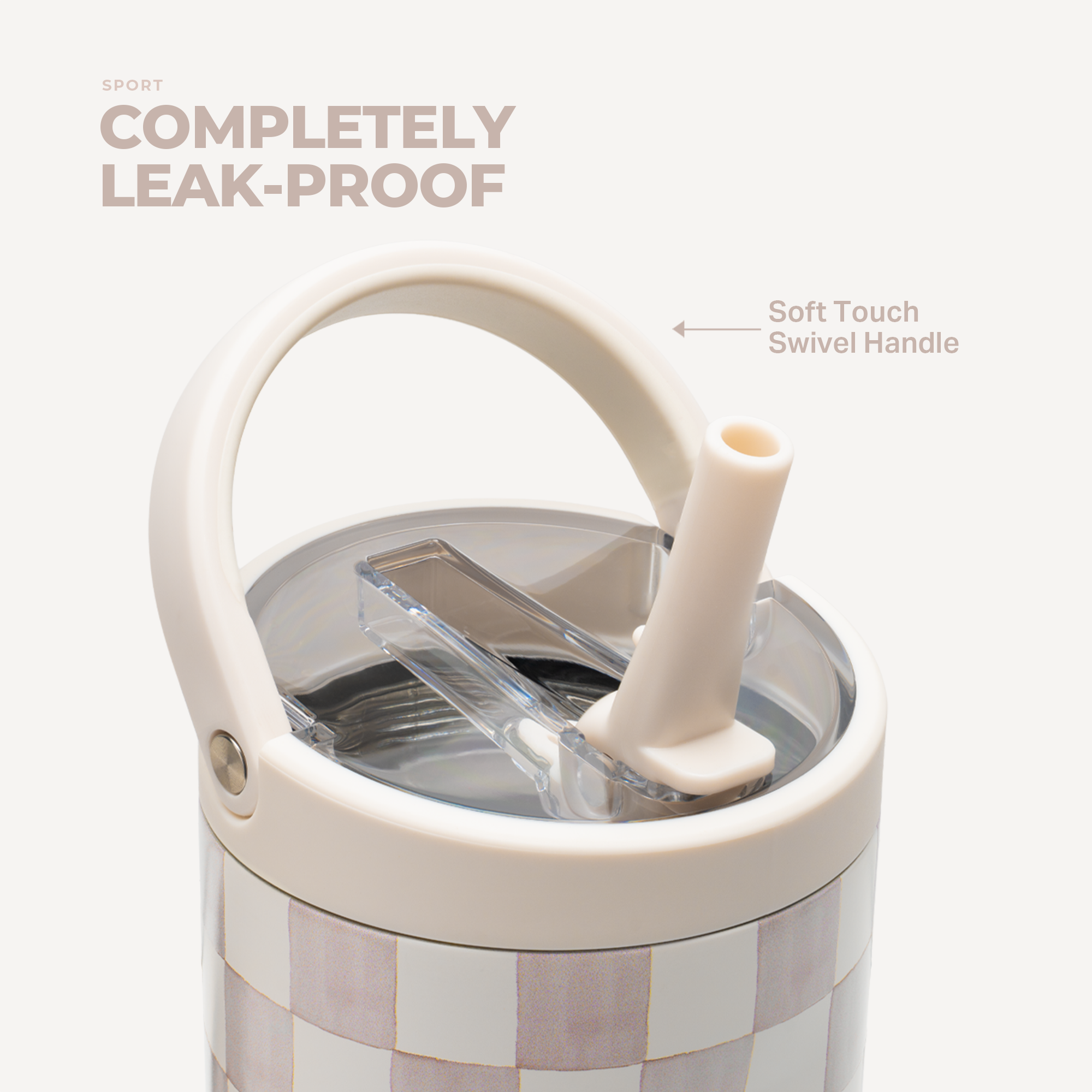
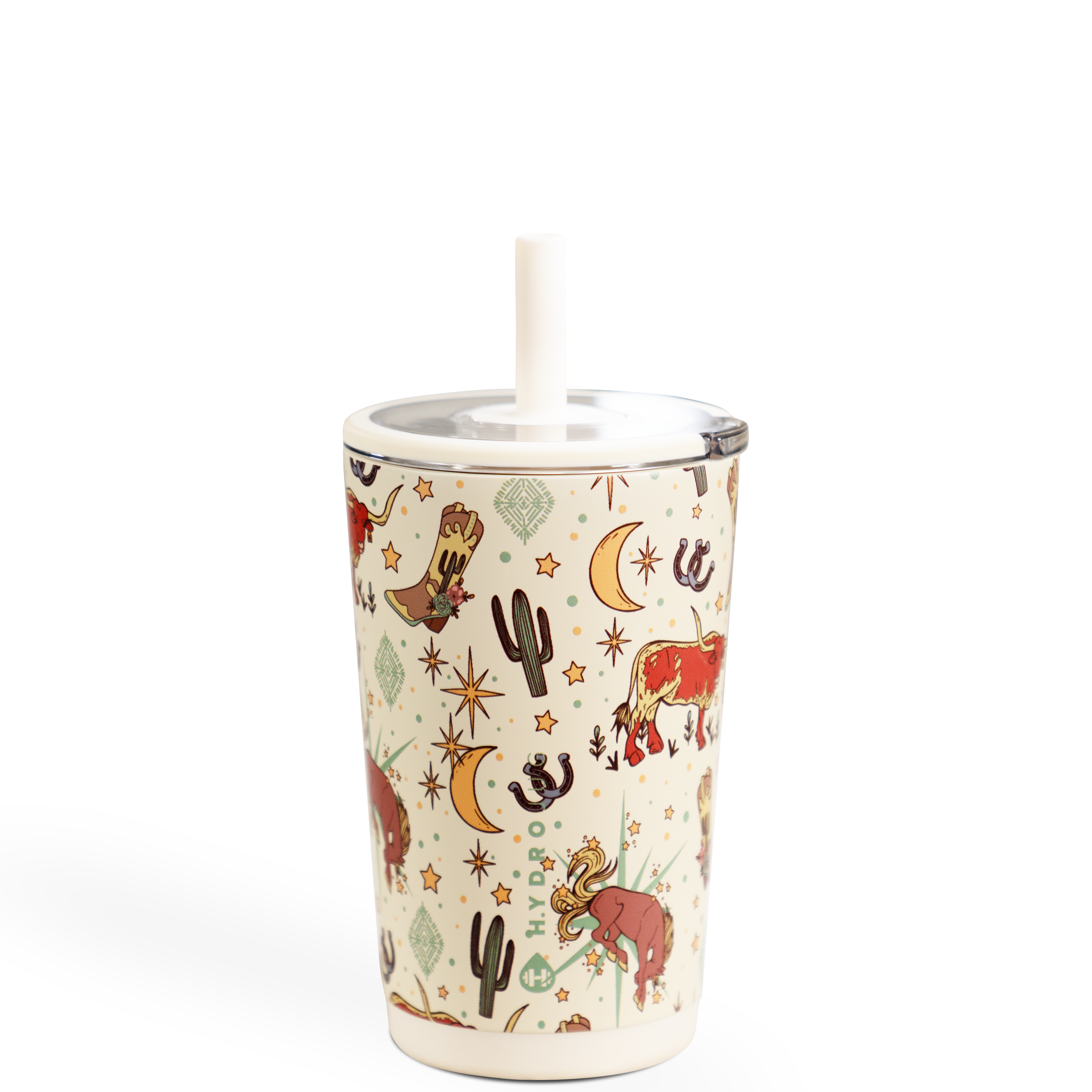
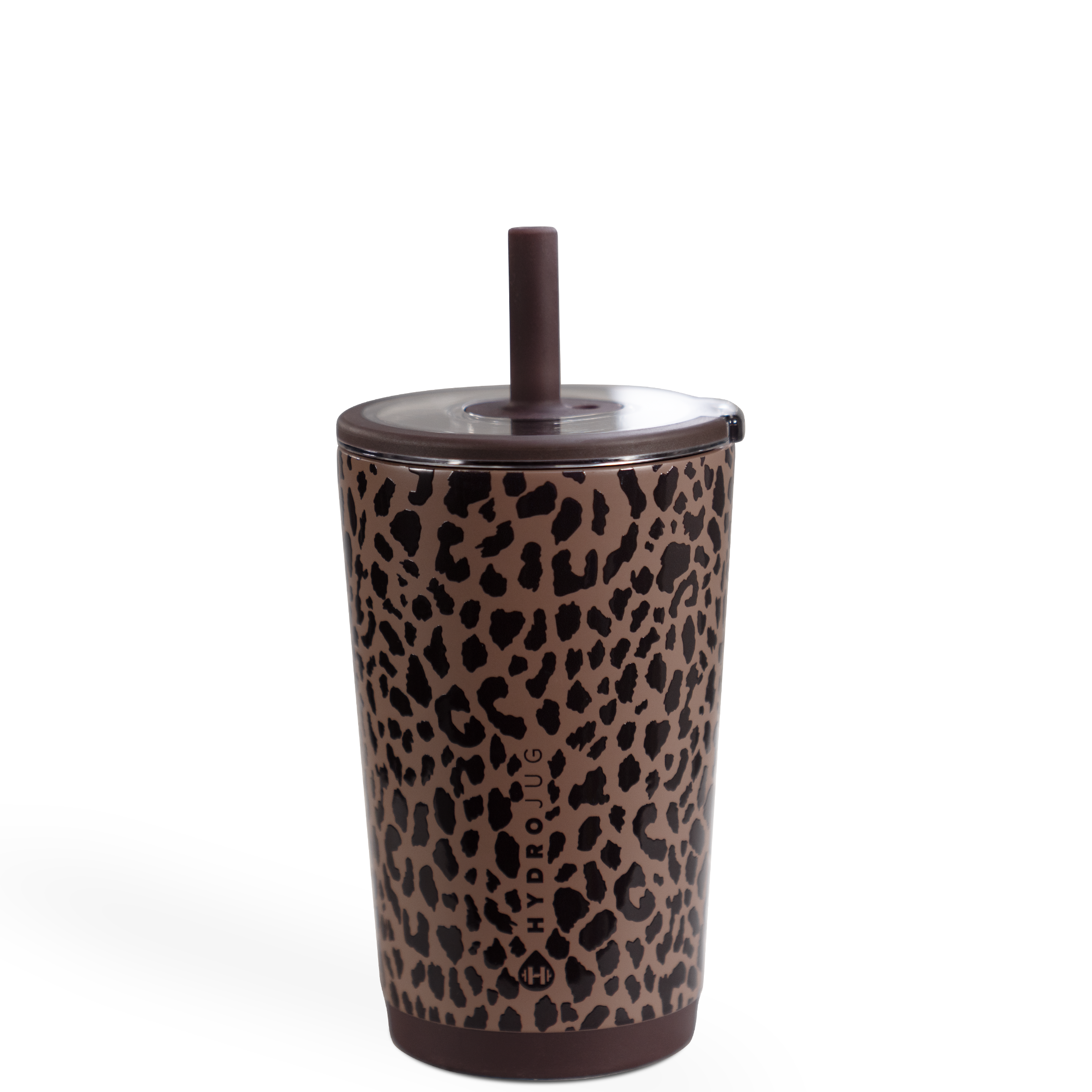
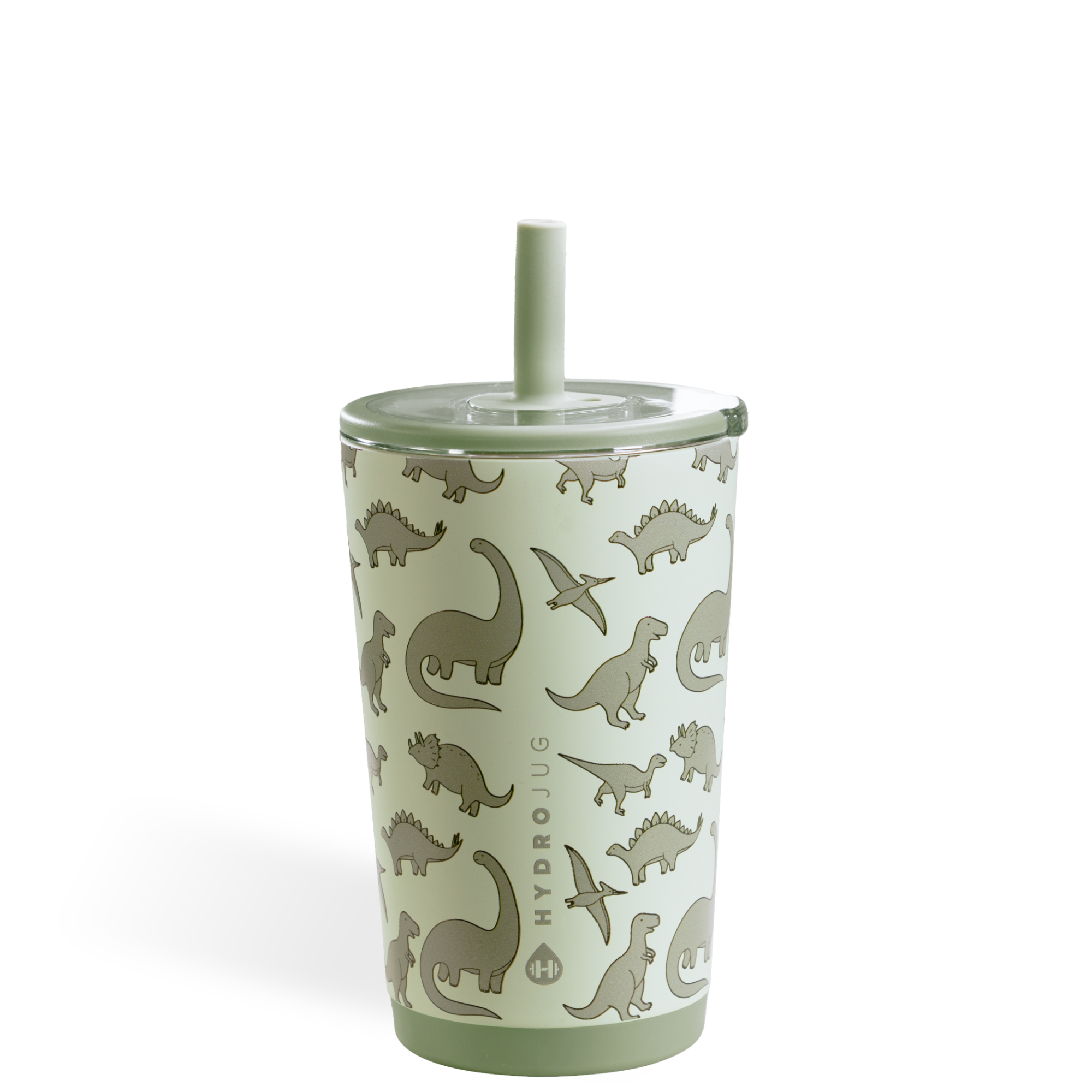
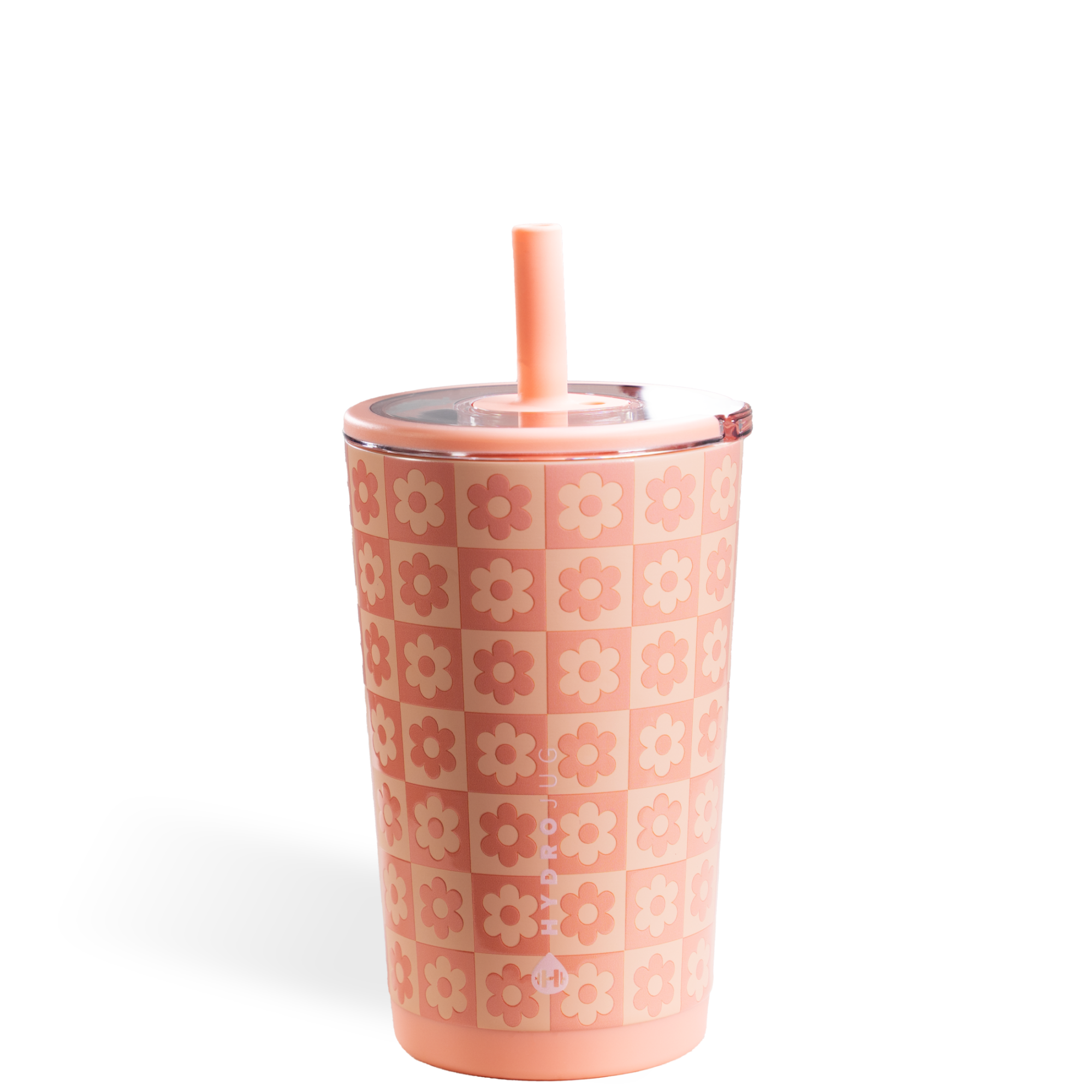
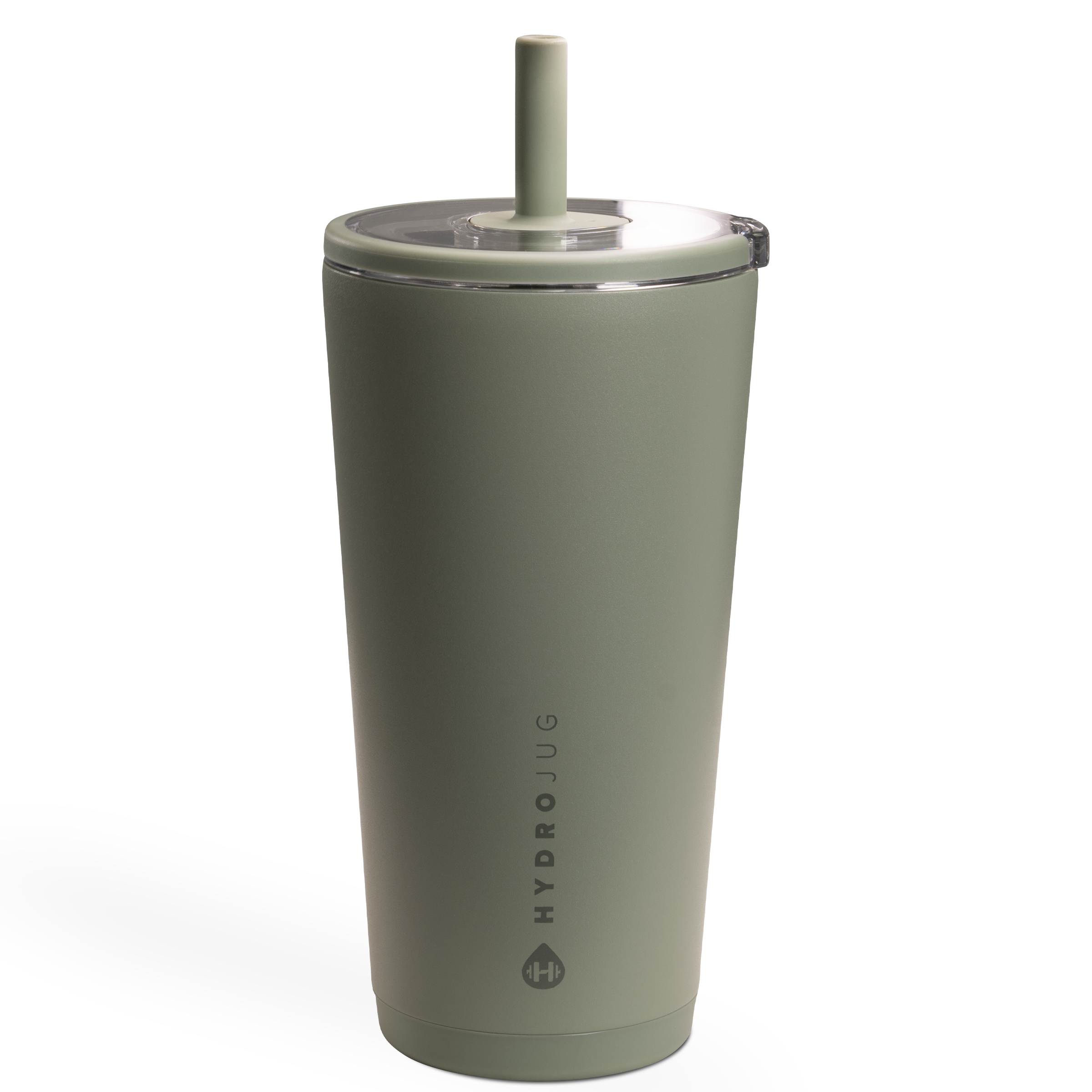
Insulated stainless steel bottles help keep water cold for hours, which is ideal for workouts or hot days. On the other hand, everyday bottles without insulation are great if you prefer room-temperature water.
If temperature consistency helps you drink more, using a bottle designed to maintain that temperature can make hydration effortless.
Final Thoughts
Cold water does not dehydrate you – and neither does room-temperature water. Your body hydrates regardless of temperature.
What temperature does affect is comfort and drinking behavior. If cold water encourages you to drink more during workouts, great. If warm water feels better in the morning, that works too.
The best water temperature is the one that helps you stay consistent and meet your hydration needs.