


How Often Should You Clean Your Reusable Water Bottle?
Reusable water bottles are one of the easiest ways to stay on track with hydration – but the habit that matters just as much as refilling is cleaning it regularly.
Even if you “only drink water,” bottles still pick up germs from hands and mouth contact. Plus, moisture and warmth (gym bag or car) can make smells and buildup show up faster than you’d think.
So… how often should you clean it? Here’s a simple, realistic routine.
How Often Should You Clean Your Water Bottle?
Best practice:
- Quick wash daily: bottle and lid (and straw if you use one)
- Deep clean weekly: all parts, fully disassembled (including rubber seals or gaskets)
Clean it after every use if you put anything besides water in it – like electrolytes, pre-workout, flavored drinks, juice, or protein shakes. Those leave residue that bacteria love.
The Parts People Forget to Clean (But Shouldn’t)
Most of the “gross stuff” hides in the small areas:
- Lids or spouts
- Straws
- Rubber gaskets or seals
- Threads around the mouth opening
- Tight crevices where moisture sits
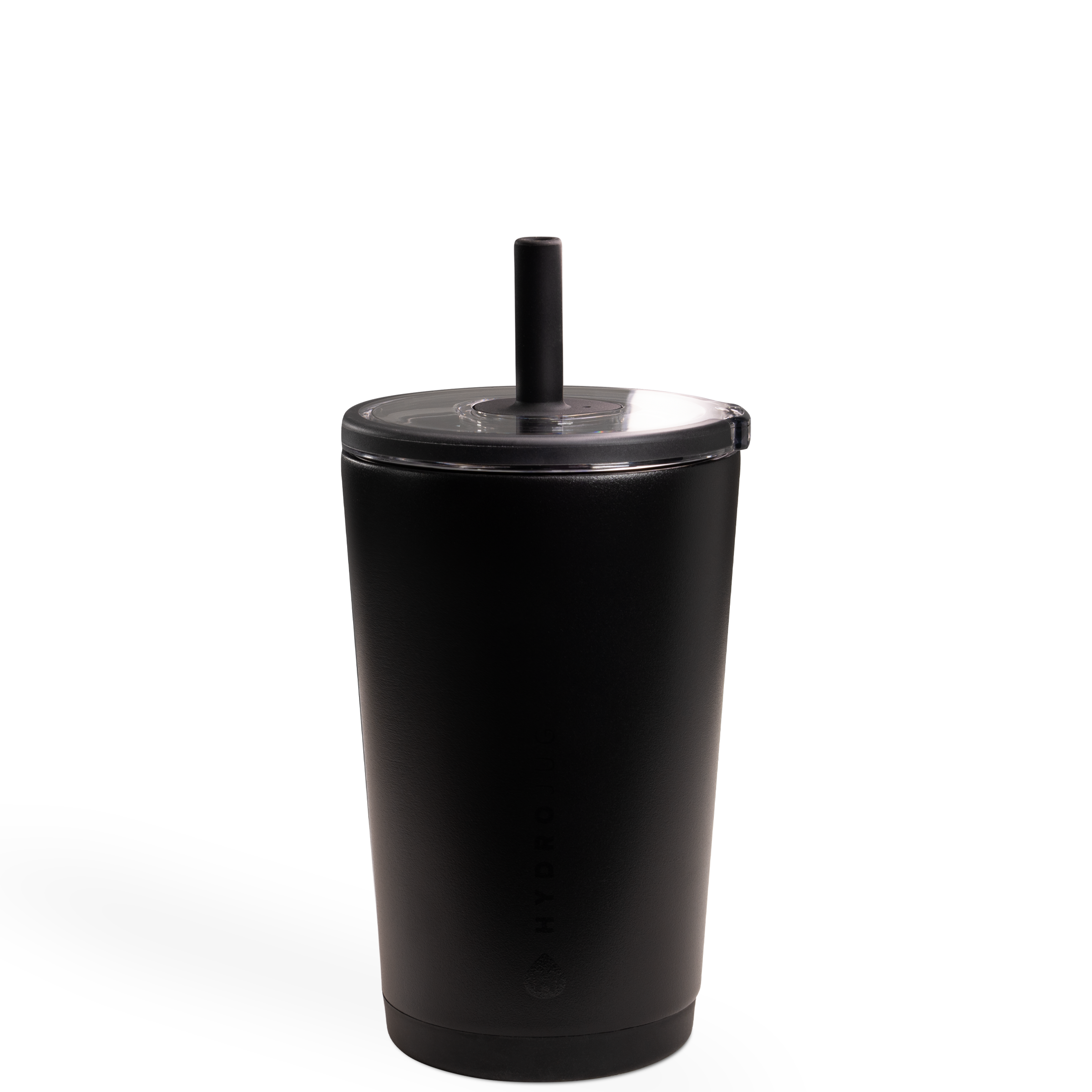
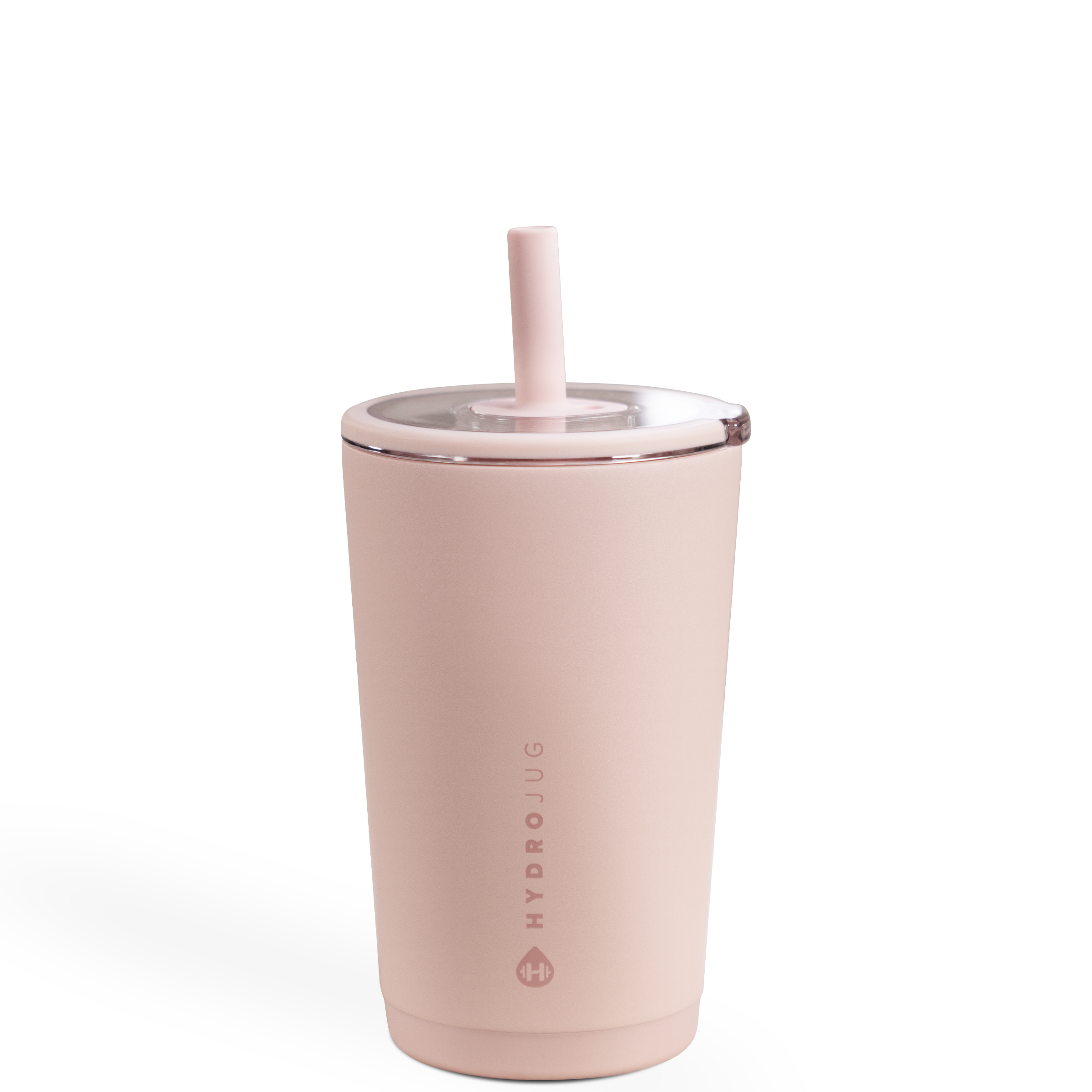
If your bottle ever smells “clean-ish” but still has a funky taste, it’s usually the lid, straw, or gasket – not the bottle itself. This is especially common with straw lids – keeping replacements on hand from our HydroJug Accessories page can make upkeep easier.
The Easiest Way to Clean Your Bottle
Option 1: Dishwasher (if dishwasher-safe)
Dishwashers can be very effective if your bottle and lid parts are labeled dishwasher-safe.
Best practices:
- Disassemble everything first (lid pieces, straw, gasket if removable)
- Put small parts in a utensil basket or dishwasher-safe small-parts container
- Use the top rack when recommended
- Avoid high-heat settings if your care instructions warn against them
Always follow your bottle’s specific care instructions – materials and lid designs vary. For HydroJug-specific guidance, bookmark our Product Care & Cleaning Guide.
Option 2: Hand wash (quick and effective)
This is the daily go-to and only takes a couple minutes:
- Rinse with warm water
- Wash with hot, soapy water
- Use a bottle brush for the inside
- Scrub the lid and straw (use a small straw brush)
- Rinse thoroughly
Pro tip: If you’re short on time, prioritize the lid and straw. That’s where buildup tends to start.
Don’t Skip Drying (Seriously)
Let everything dry completely before reassembling. Trapped moisture – especially in straws and lids – is one of the fastest ways for smells and residue to return.
- Air-dry upside down on a clean rack
- Leave lids open and parts separated until fully dry
Quick Signs It’s Time to Deep Clean (Today)
If you notice any of these, don’t wait until “weekly”:
- Weird smell or taste
- Visible film or cloudy residue
- You’ve been sick
- You used anything sweet or flavored
- The bottle sat in a warm place (car, gym bag) for hours
Simple Weekly Deep Clean Method
Once a week, do a deeper reset:
- Disassemble all parts (bottle, lid pieces, straw, gasket or seal)
- Wash everything with hot, soapy water
- Use bottle and straw brushes for tight areas
- Rinse thoroughly
- Air-dry completely before reassembly
Optional boost (if odors linger): soak parts (not electronics) in a mix of warm water and a splash of white vinegar for 10–15 minutes, then wash again and rinse well.
Understanding why reusable water bottles are so valuable makes it easier to keep them clean. For more everyday hygiene tips – especially for lids, straws, and funky smells – read Water Bottle Hygiene.