









How Hydration Affects Cognitive Function
When it comes to maintaining optimal cognitive function, we often focus on sleep, exercise, and nutrition. One important factor that’s frequently overlooked is hydration. Water plays a vital role not only in physical health, but also in how well the brain performs throughout the day.
Hydration supports memory, focus, reaction time, and mental clarity – and even mild dehydration can have noticeable effects on cognitive performance.
Hydration and Memory
The brain relies on consistent hydration to support learning and recall.
Have you ever experienced brain fog or forgetfulness? Dehydration may be a contributing factor. Research shows that even mild dehydration can impair short-term memory, attention, and recall abilities.
A study conducted at the University of East London found that students who brought water into an exam performed better on memory tasks compared to those who didn’t. Staying hydrated helps ensure the brain receives adequate oxygen and nutrients, supporting memory formation and retrieval.
This is closely related to the concepts discussed in Hydrate for Mental Clarity.
Focus and Concentration
Sustaining focus can be challenging in a fast-paced world.
When hydration levels drop, brain tissue can temporarily shrink, making it harder to concentrate. A study published in The Journal of Nutrition observed that mild dehydration – as little as a 1–2% loss in body water – can lead to decreased cognitive performance, particularly in tasks that require sustained attention and vigilance.
Drinking water consistently throughout the day can help support focus and reduce mental fatigue, especially during long workdays or mentally demanding tasks.
Mental Clarity and Mood
Hydration also influences how alert and balanced you feel.
The brain is made up of approximately 75% water, and even small shifts in hydration can affect mood and mental clarity. Water supports chemical reactions and electrical signaling in the brain. When hydration is adequate, these processes run more smoothly – supporting clearer thinking, improved productivity, and more stable mood.
This connection is explored further in How Hydration Can Affect Mental Health.
Tips for Staying Hydrated
Understanding the benefits is one thing – building habits that support hydration is another.
Set a reminder
Use a phone alarm or hydration app to prompt regular water intake throughout the day.
Carry a water bottle
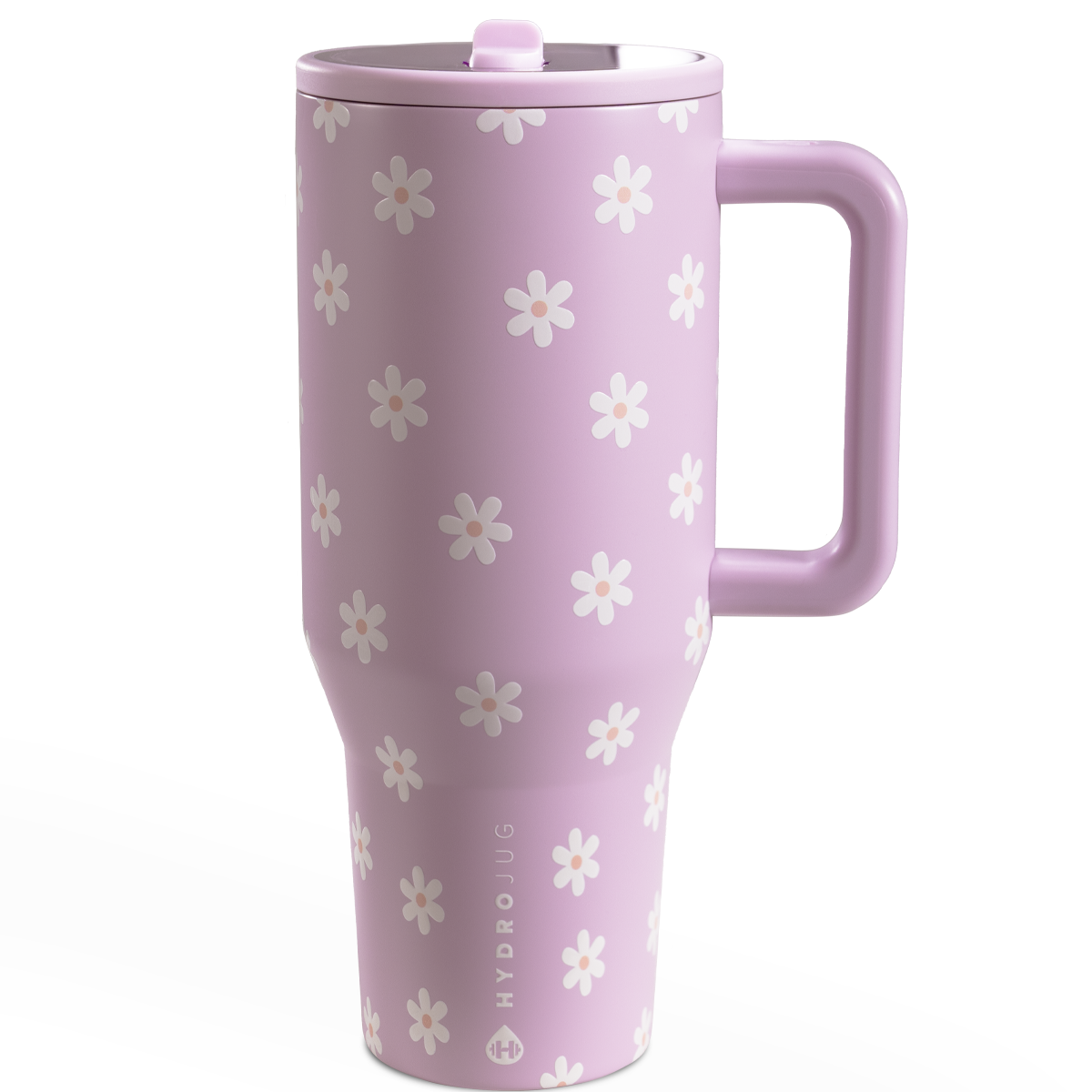
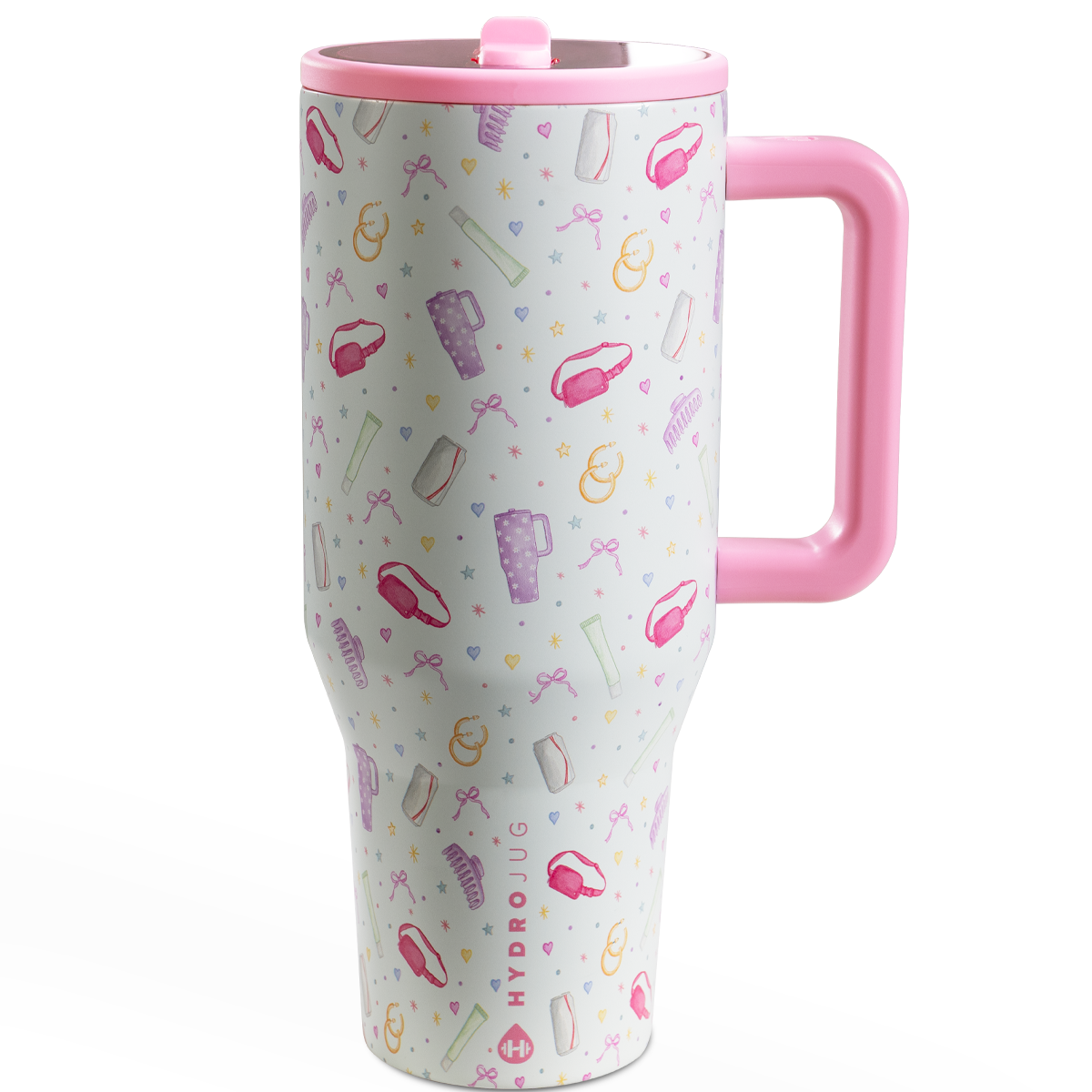
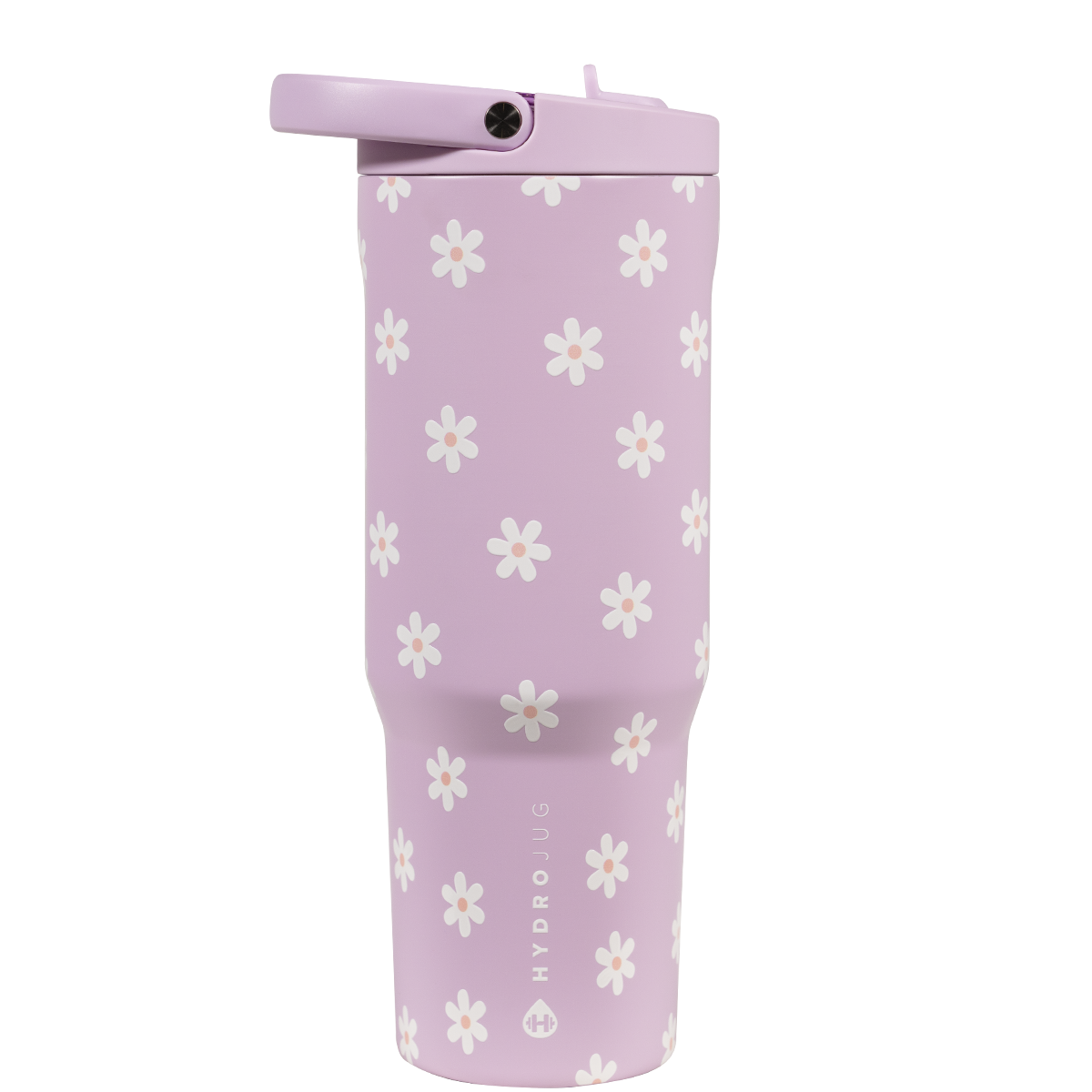
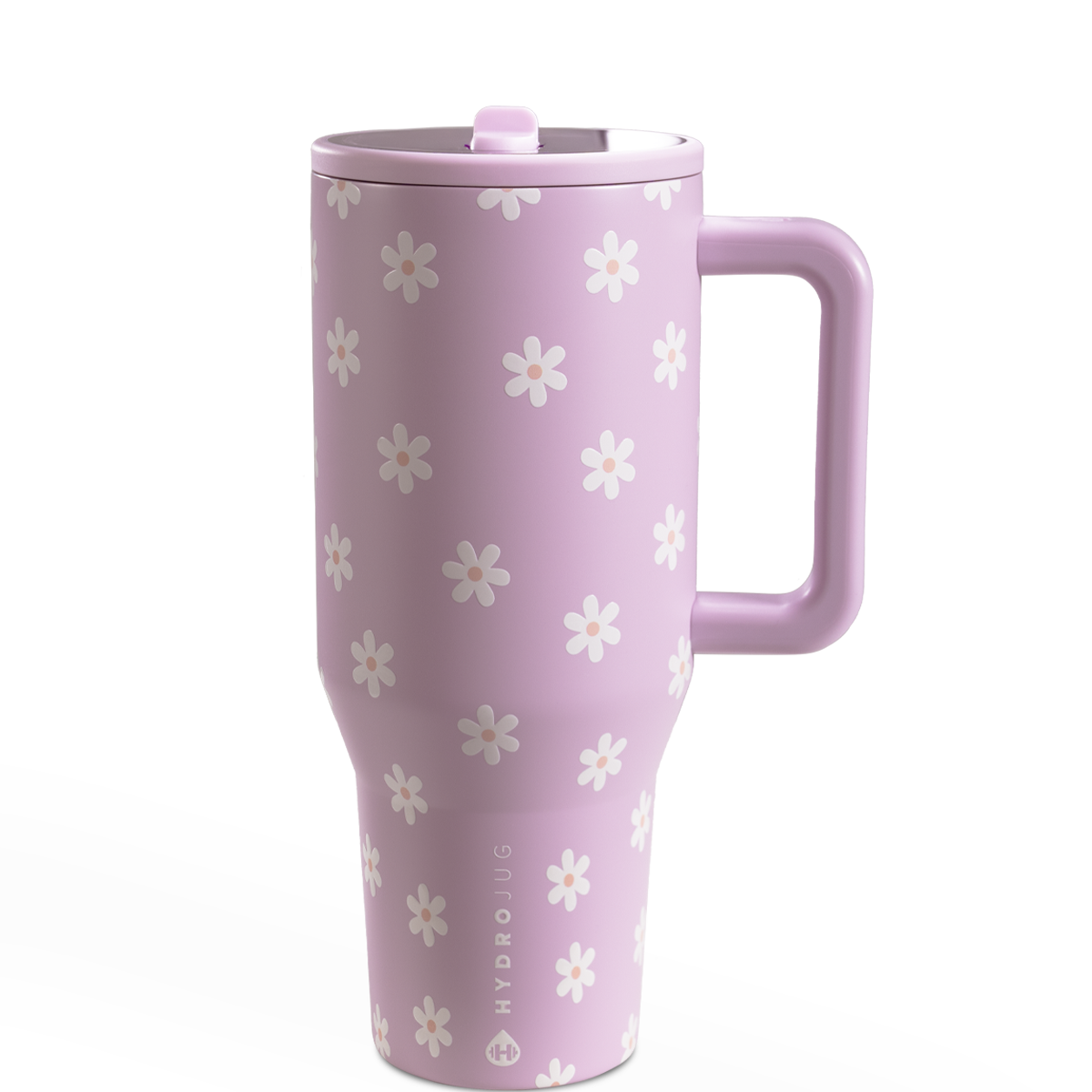
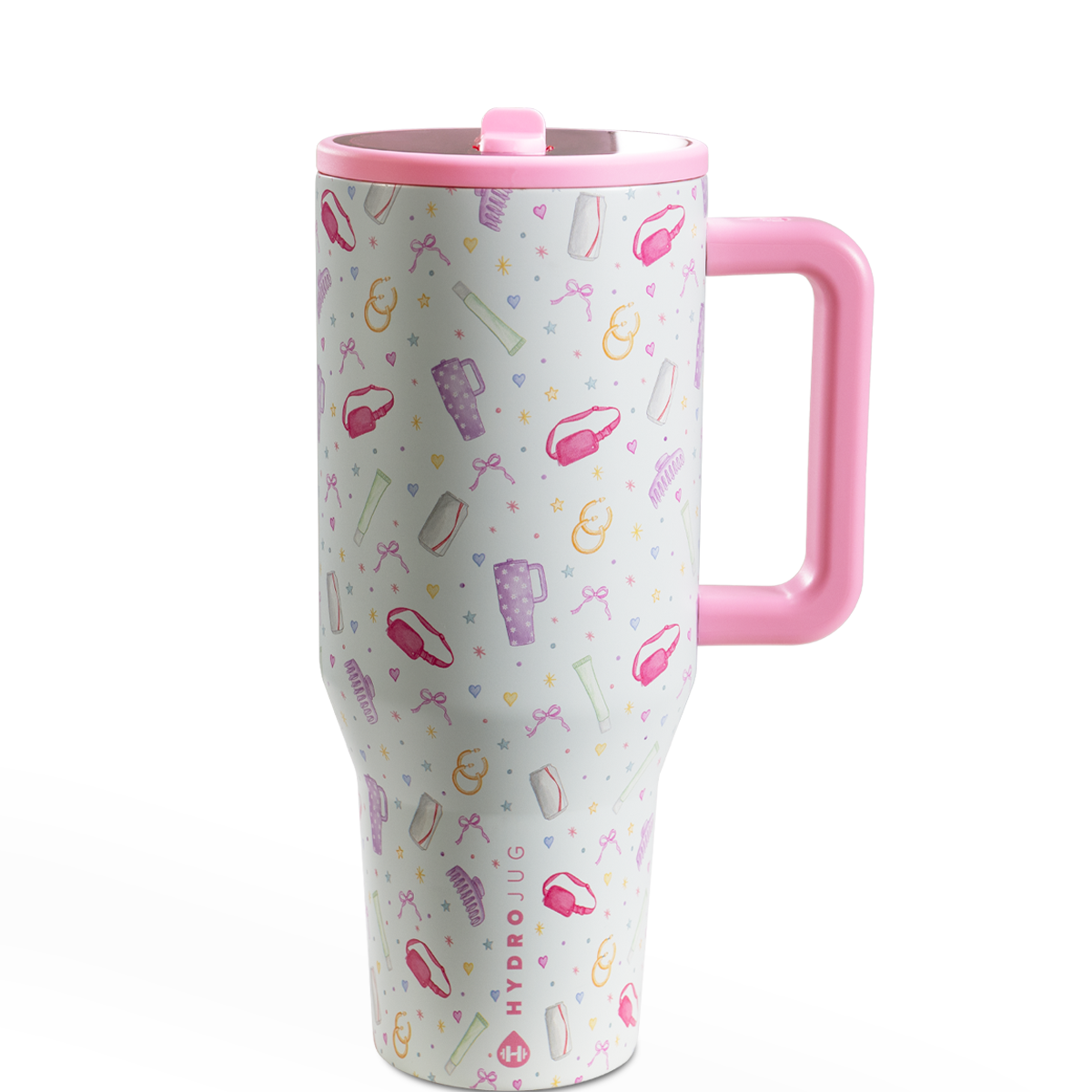
Keep a refillable water bottle like HydroJug with you at all times to encourage regular sips throughout the day.
Infuse with flavor
If plain water feels boring, infuse it with fruit, herbs, or citrus. Light flavor can make hydration more enjoyable without added sugar.
Monitor urine color
Urine color is a simple hydration check. Pale yellow usually indicates adequate hydration, while darker shades may signal that it’s time to drink more.
Staying hydrated is essential for both physical and cognitive health. By maintaining proper hydration levels, you support memory, focus, mental clarity, and overall well-being.
Prioritize drinking water consistently throughout the day, and you may notice improvements not just in how your body feels – but in how clearly your mind works too.