


Fall Hydration Challenges
As the days grow shorter and temperatures drop, it’s easy to assume hydration matters less in the fall. After all, you’re not sweating the way you do in peak summer heat. But fall hydration can actually be tricky – because the cues that remind you to drink (like intense thirst and visible sweating) tend to fade.
Here’s why staying hydrated in the fall can be a challenge – and how to stay consistent as routines shift.
Why Fall Hydration Can Feel Harder
Cooler weather changes daily routines and hydration cues, making it easier to fall behind on fluids without realizing it.
Lower Temperatures, Reduced Thirst
One of the primary challenges of fall hydration is that cooler weather can dull your sense of thirst. During summer, heat naturally encourages you to drink more water. In fall, you may not feel as thirsty, which can lead to lower fluid intake – even when your body still needs it.
Indoor Heating
Indoor heating systems come into play during the fall, and they can create a dry environment that increases fluid loss through respiration. Breathing heated, dry air can pull moisture from your body – especially in homes with forced-air heating.
Exercising in Cool Weather
If you enjoy outdoor activities like hiking, running, or cycling in the fall, you might not realize how much you’re sweating because the air feels cooler. That misconception can lead to under-drinking.
For faster rehydration after workouts (especially on long or high-effort days), this post on the best way to hydrate fast is a good refresher.
Seasonal Beverages
Fall brings a lineup of seasonal drinks – pumpkin spice lattes, hot cocoa, cider – and while they can be fun, they don’t always support hydration the way plain water does. Many are high in sugar and can unintentionally replace water if you’re not mindful.
Less Access to Summer Fruits
As the season changes, fresh hydrating fruits like watermelon and berries become less common. That can lower your intake of water-rich foods, making it even more important to build hydration into your routine.
Tips for Overcoming Fall Hydration Challenges
With a few simple habit shifts, it’s possible to stay consistently hydrated even as temperatures and routines change.
Establish a Hydration Routine
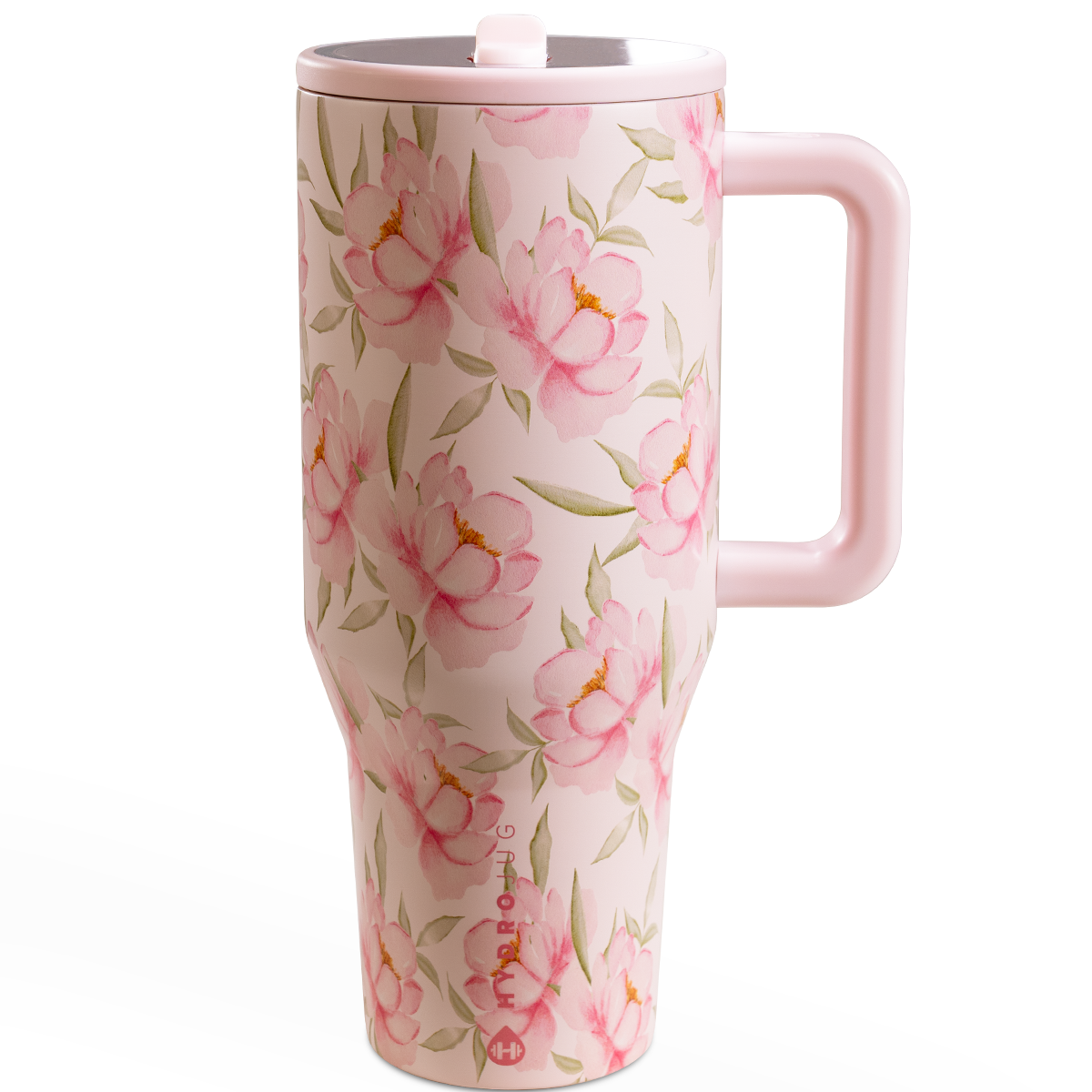
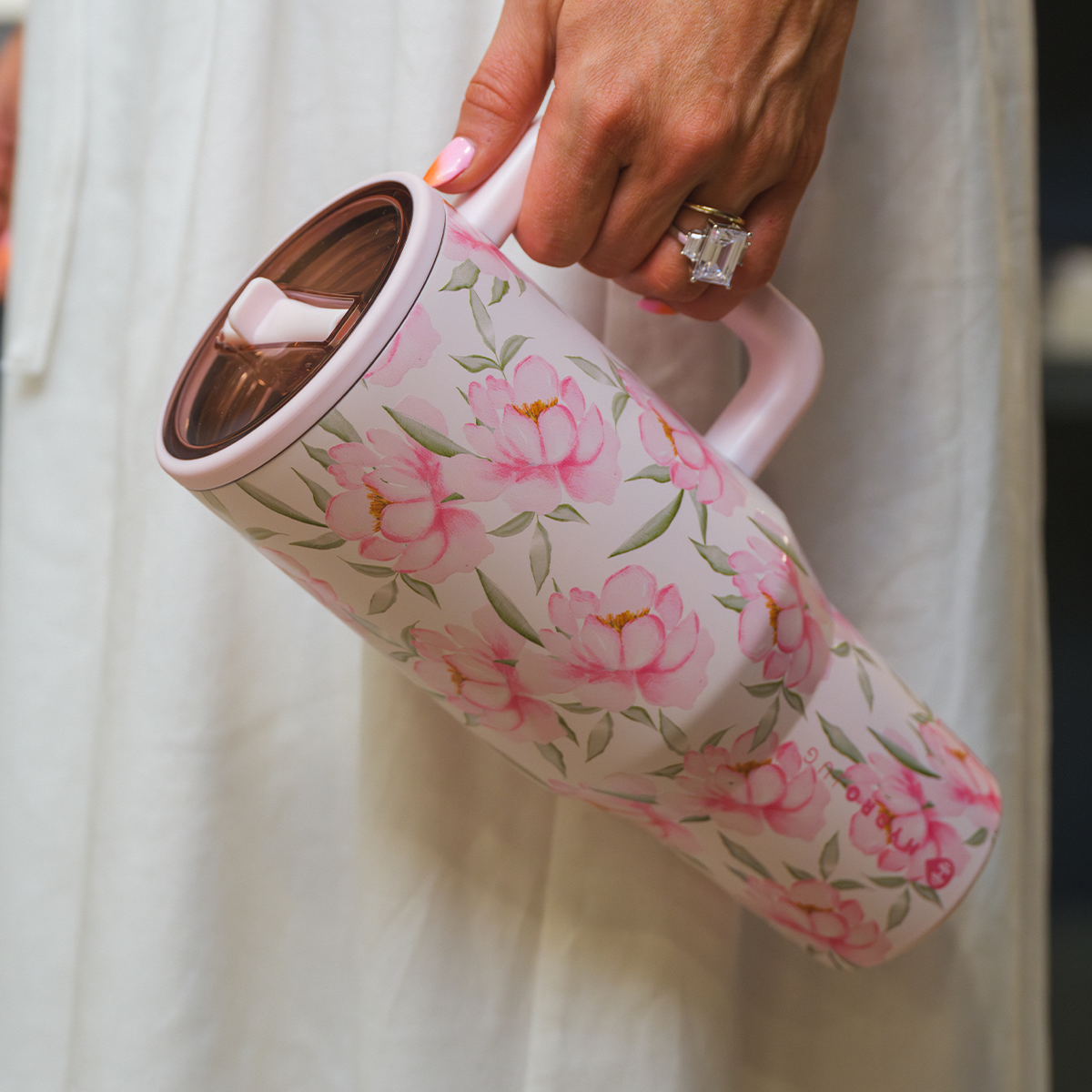
Set a schedule for drinking water throughout the day. Even if you don’t feel thirsty, a routine helps you stay consistent. If you like big-goal tracking with fewer refills, a larger bottle like the Pro Jug with water measurement scale can make it easier to see your progress at a glance.
Monitor Your Fluid Intake
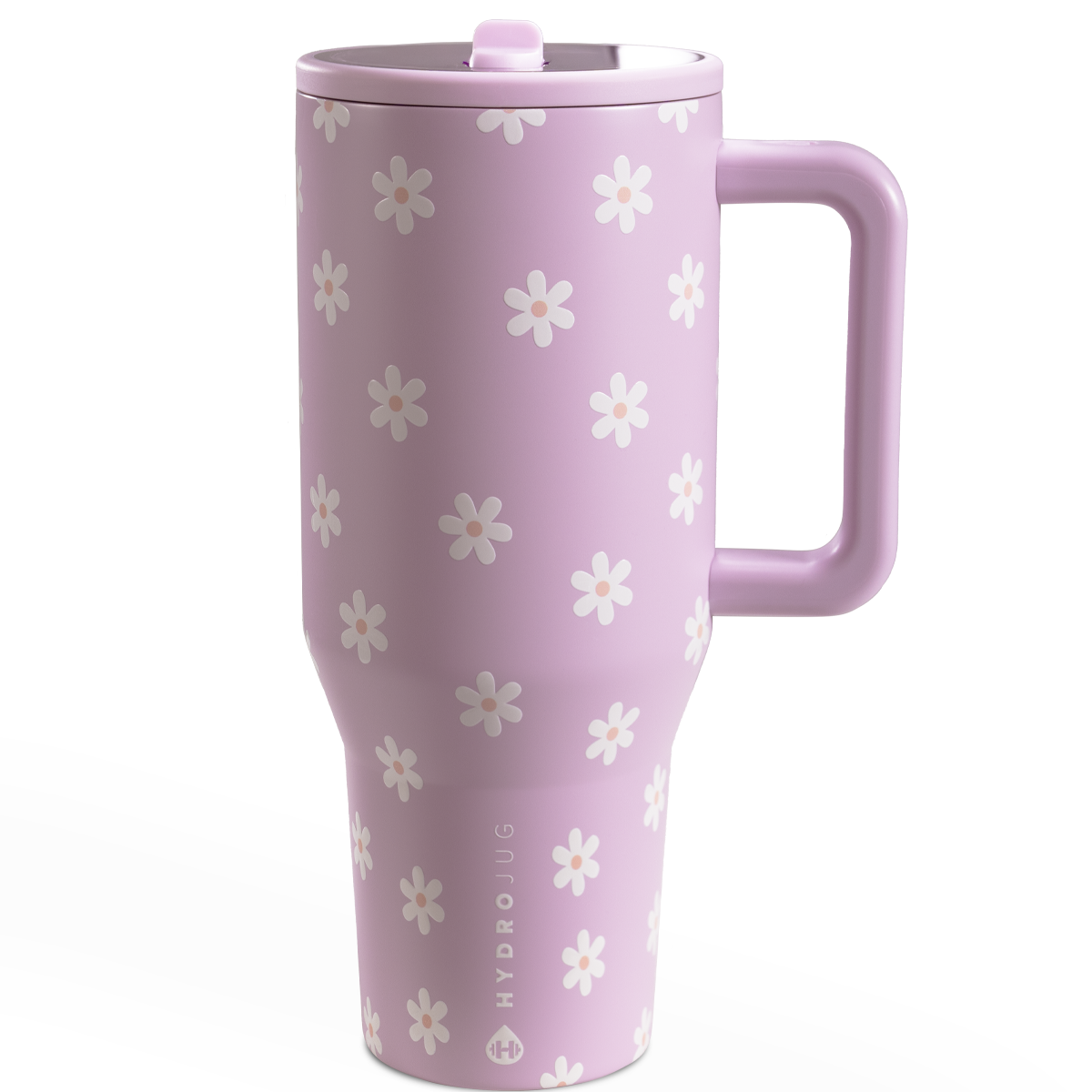
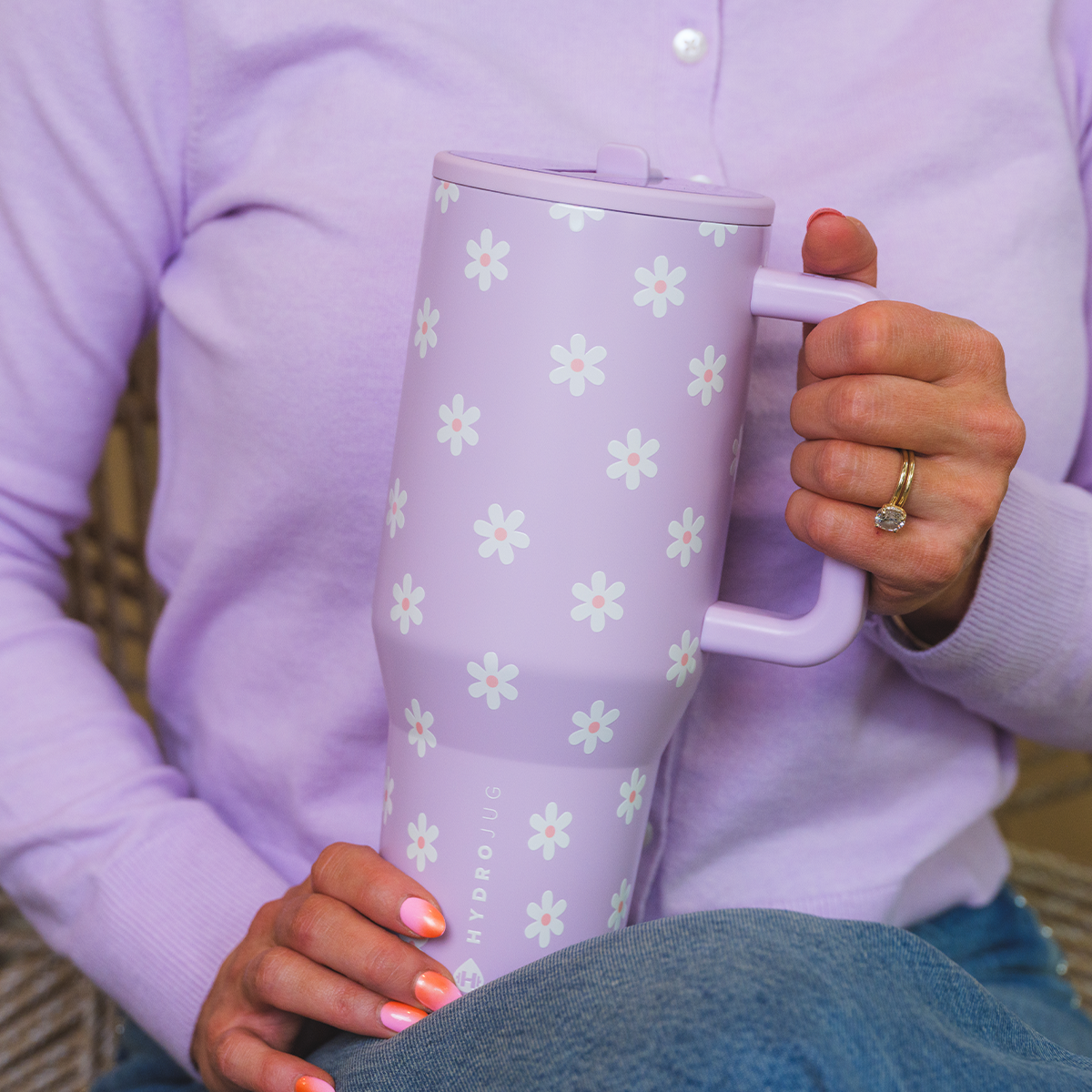
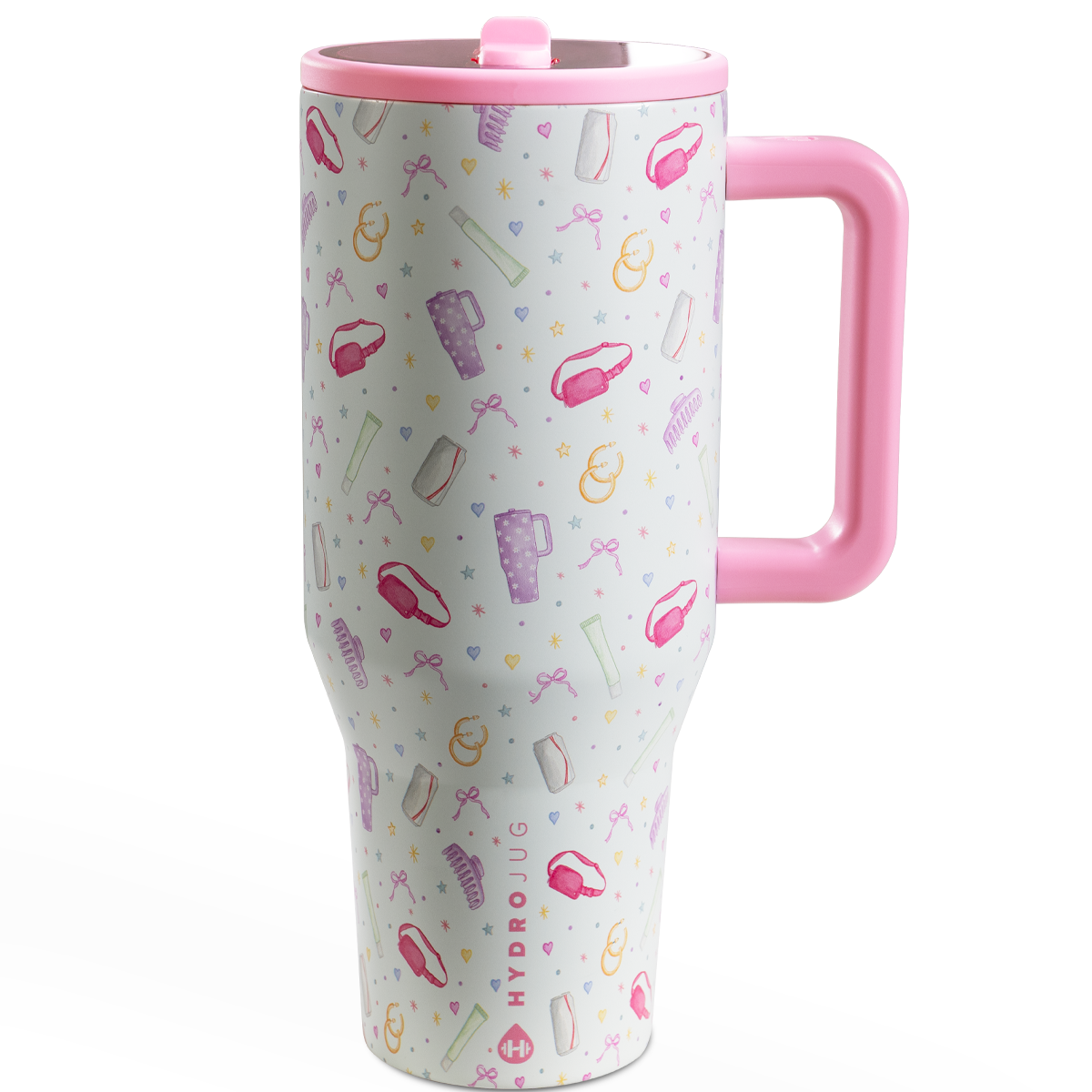
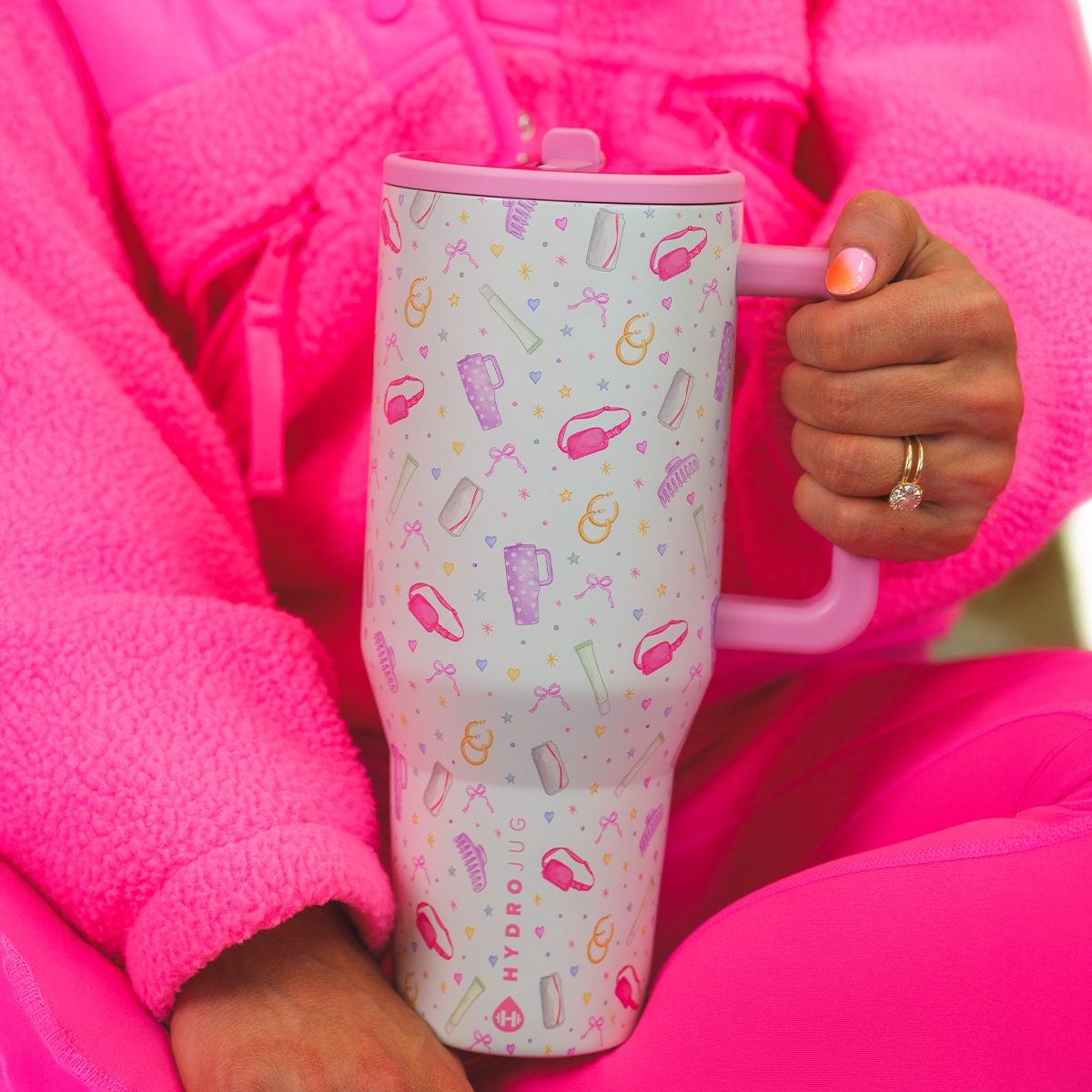
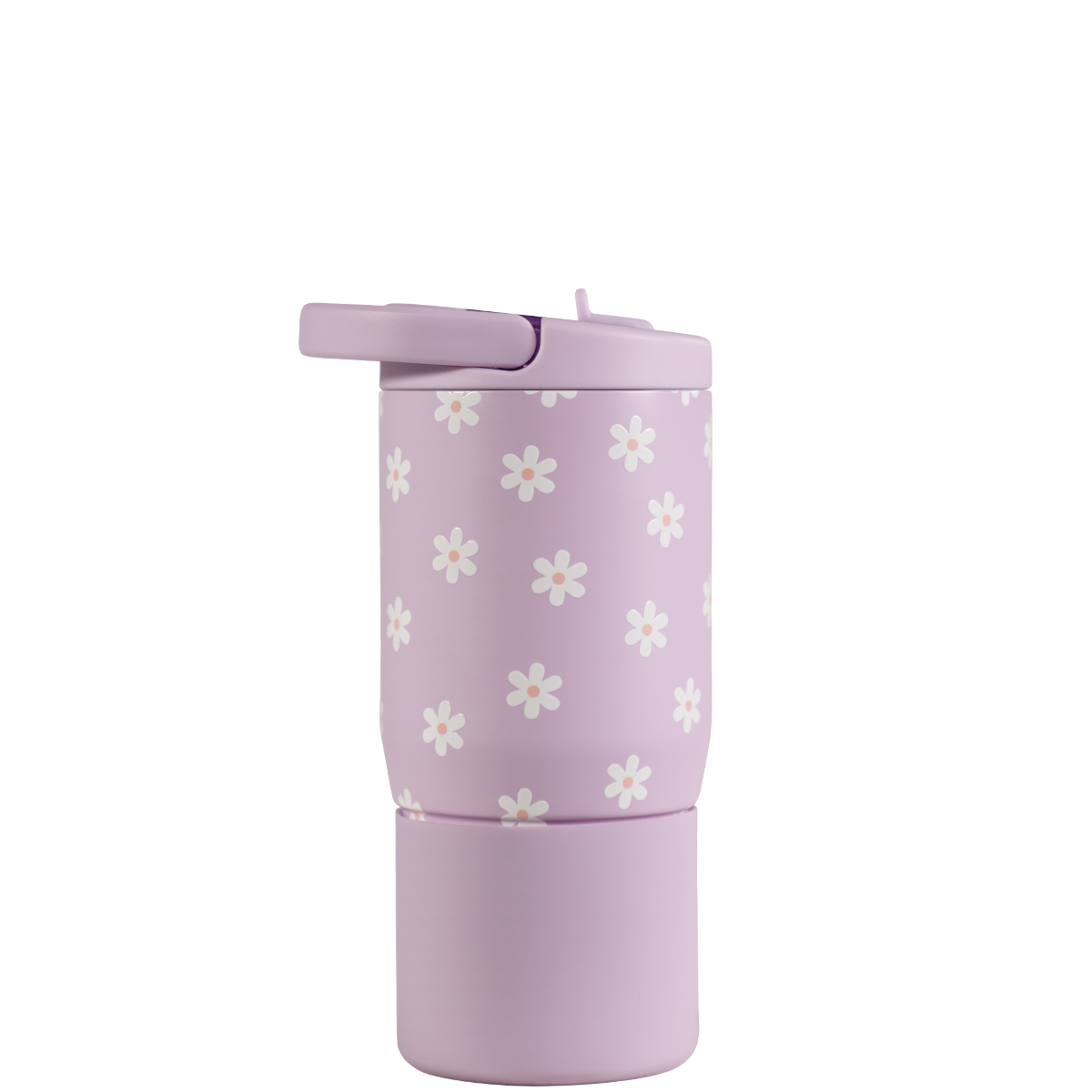
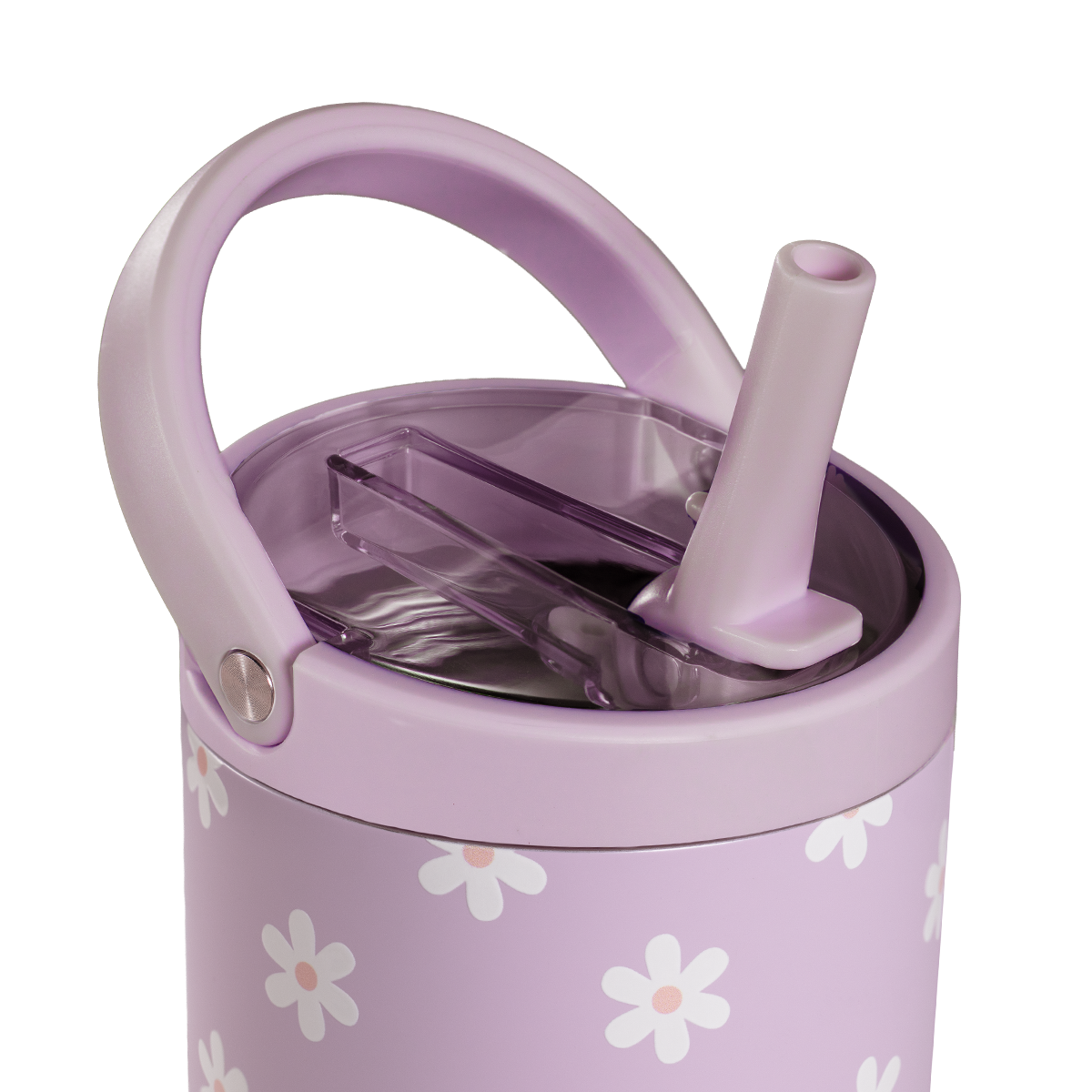
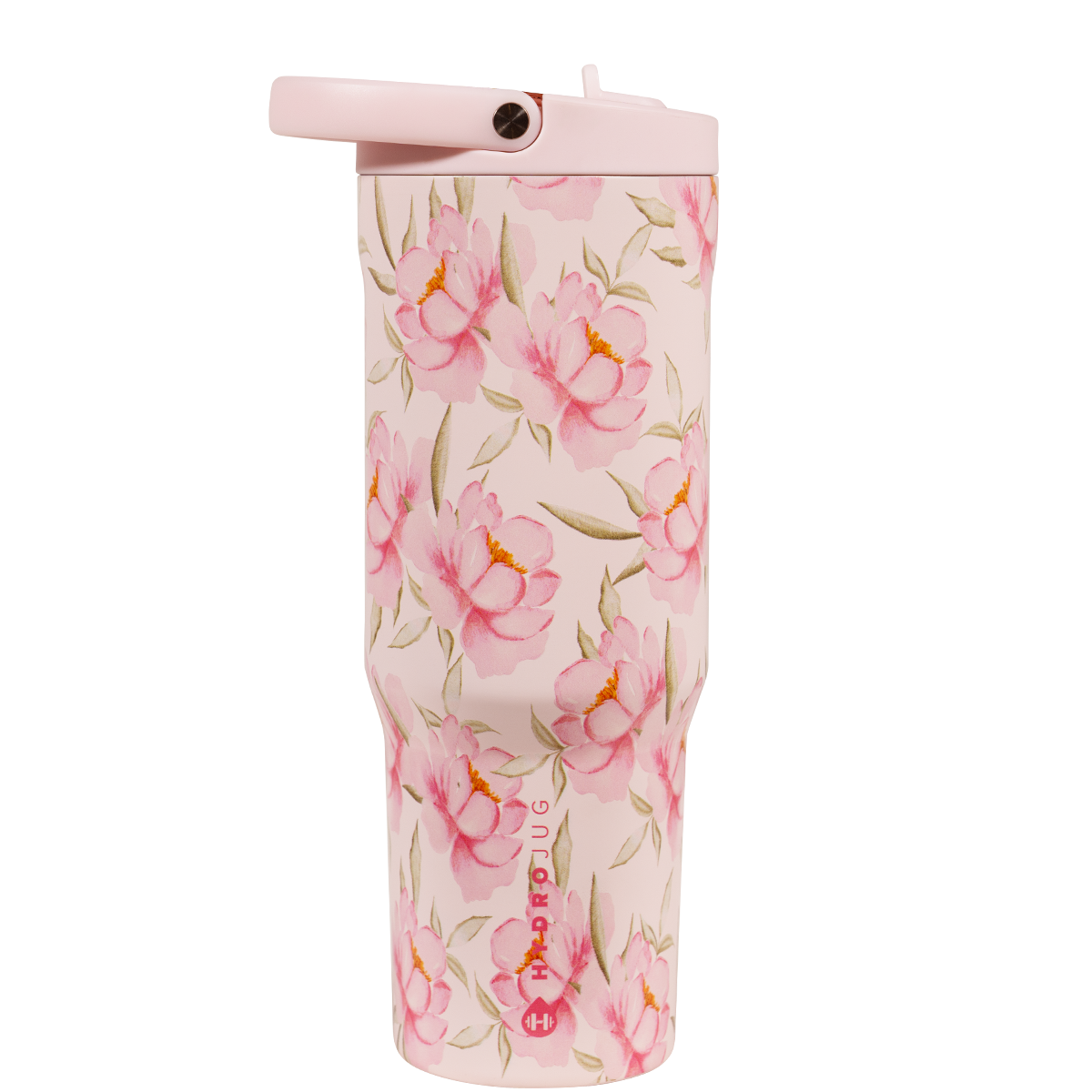
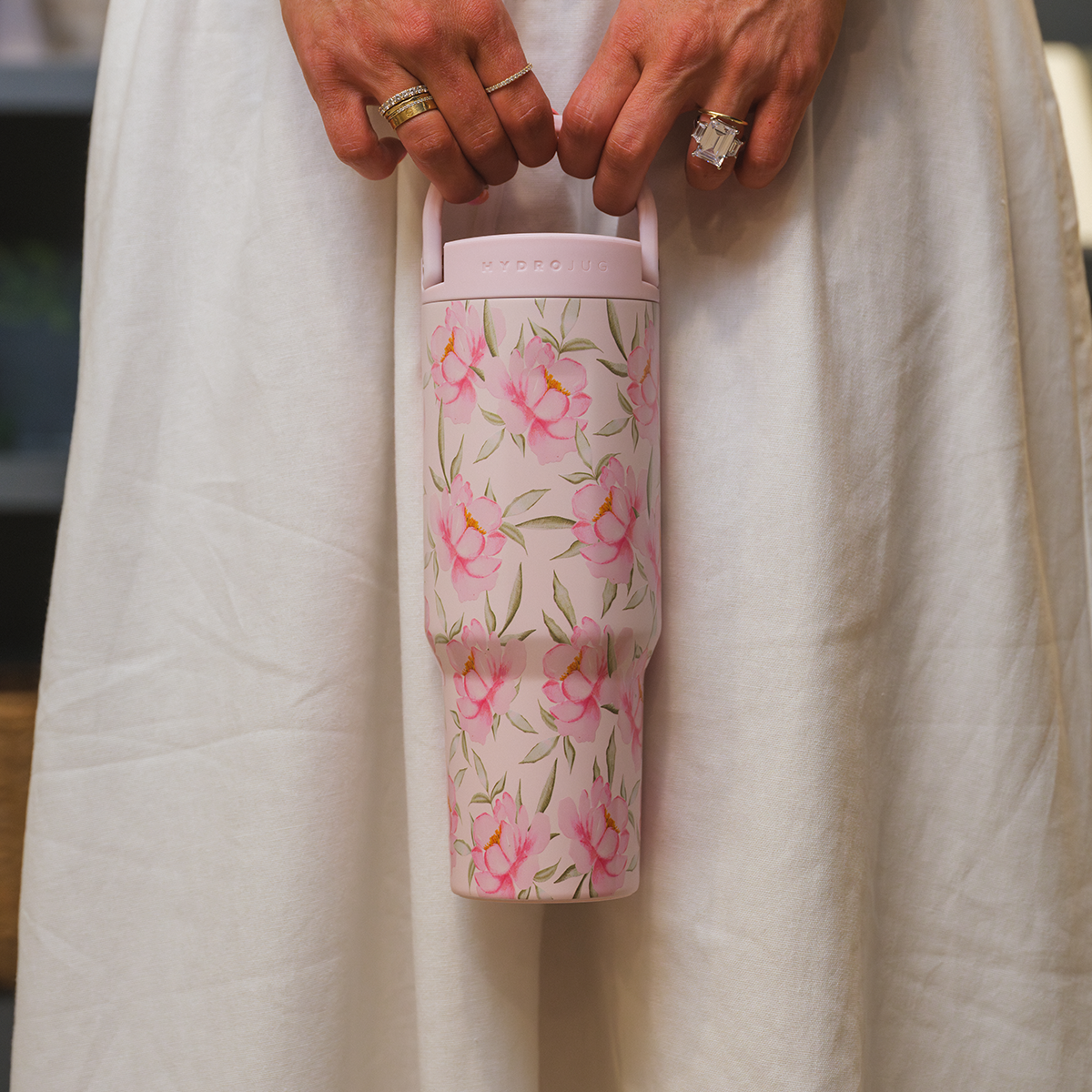
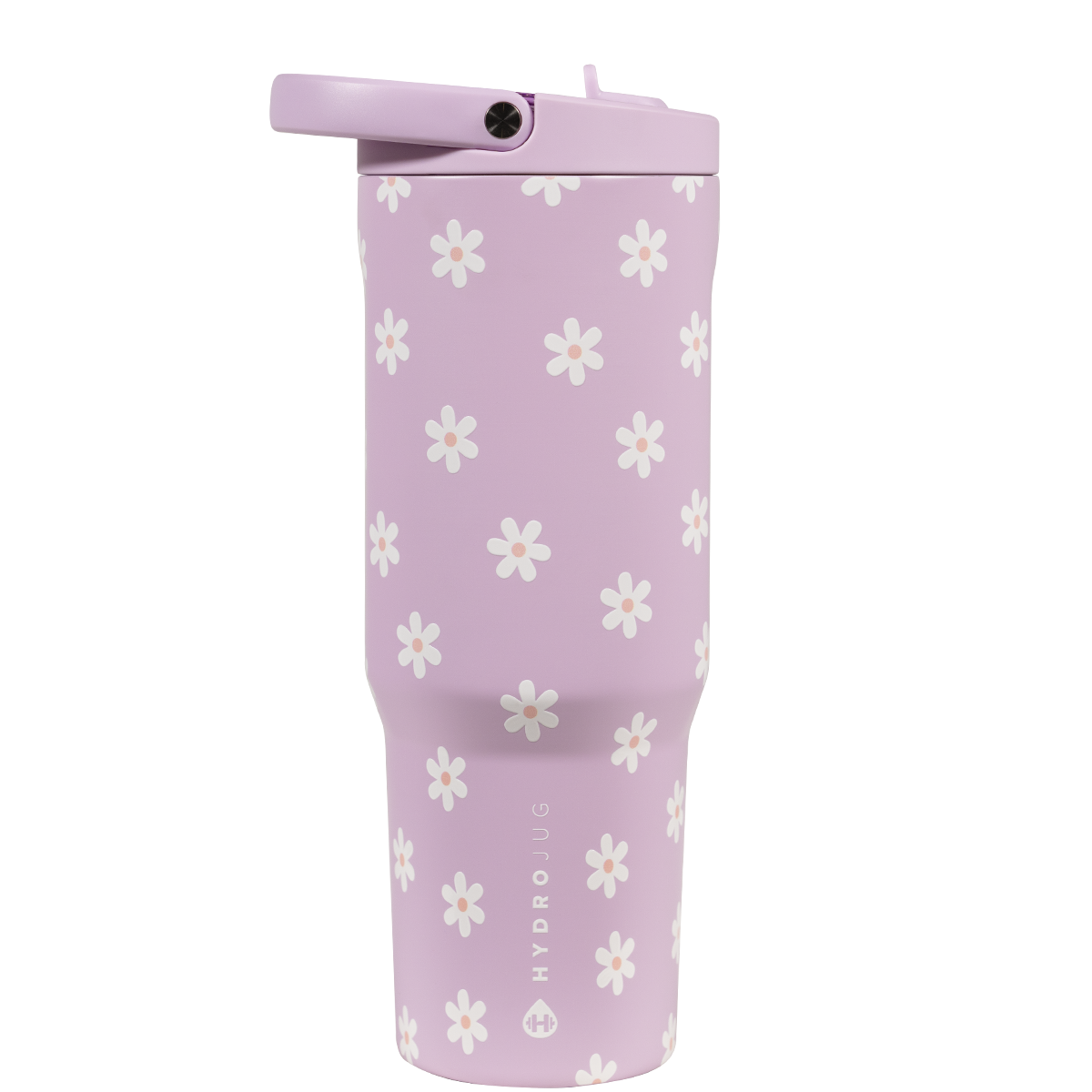
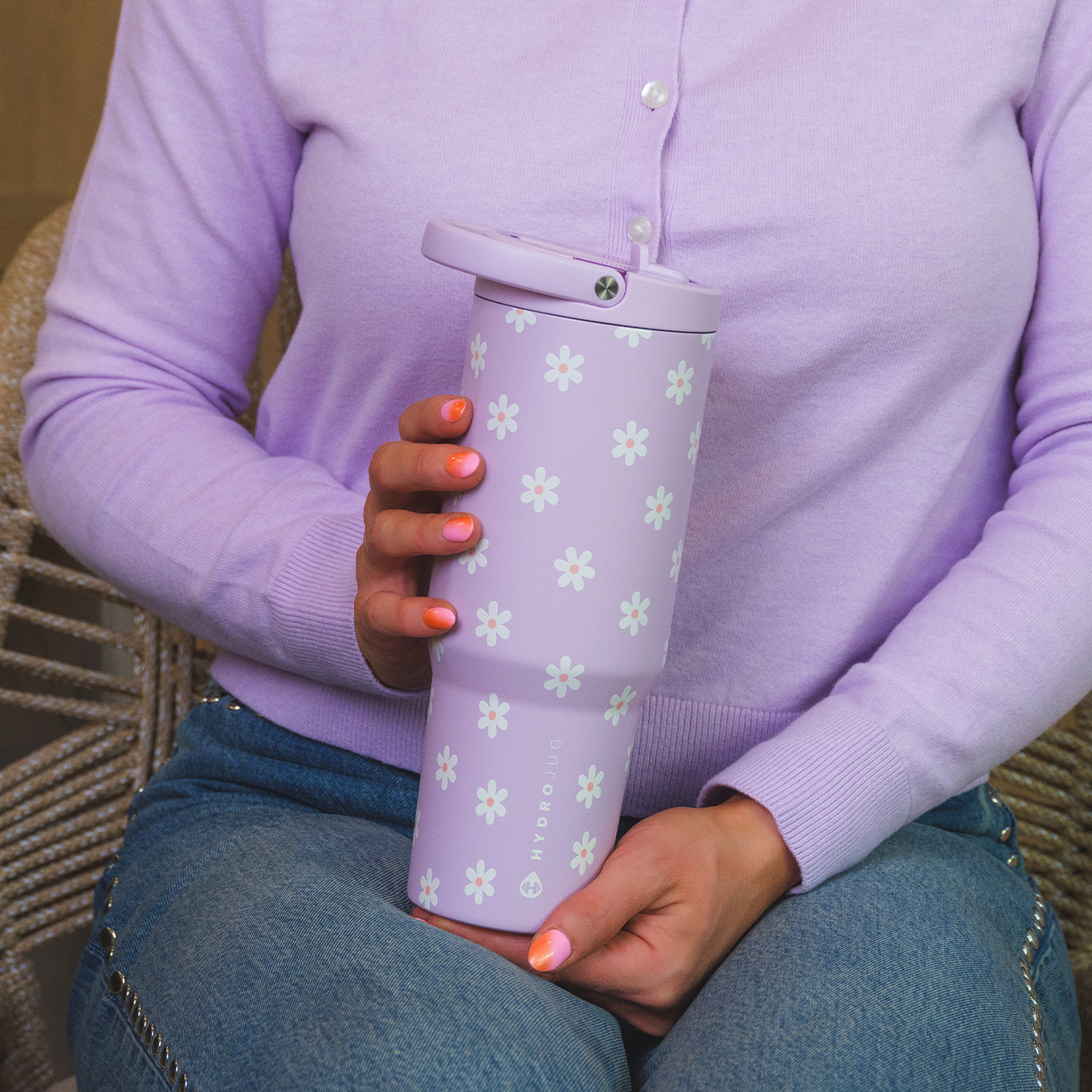
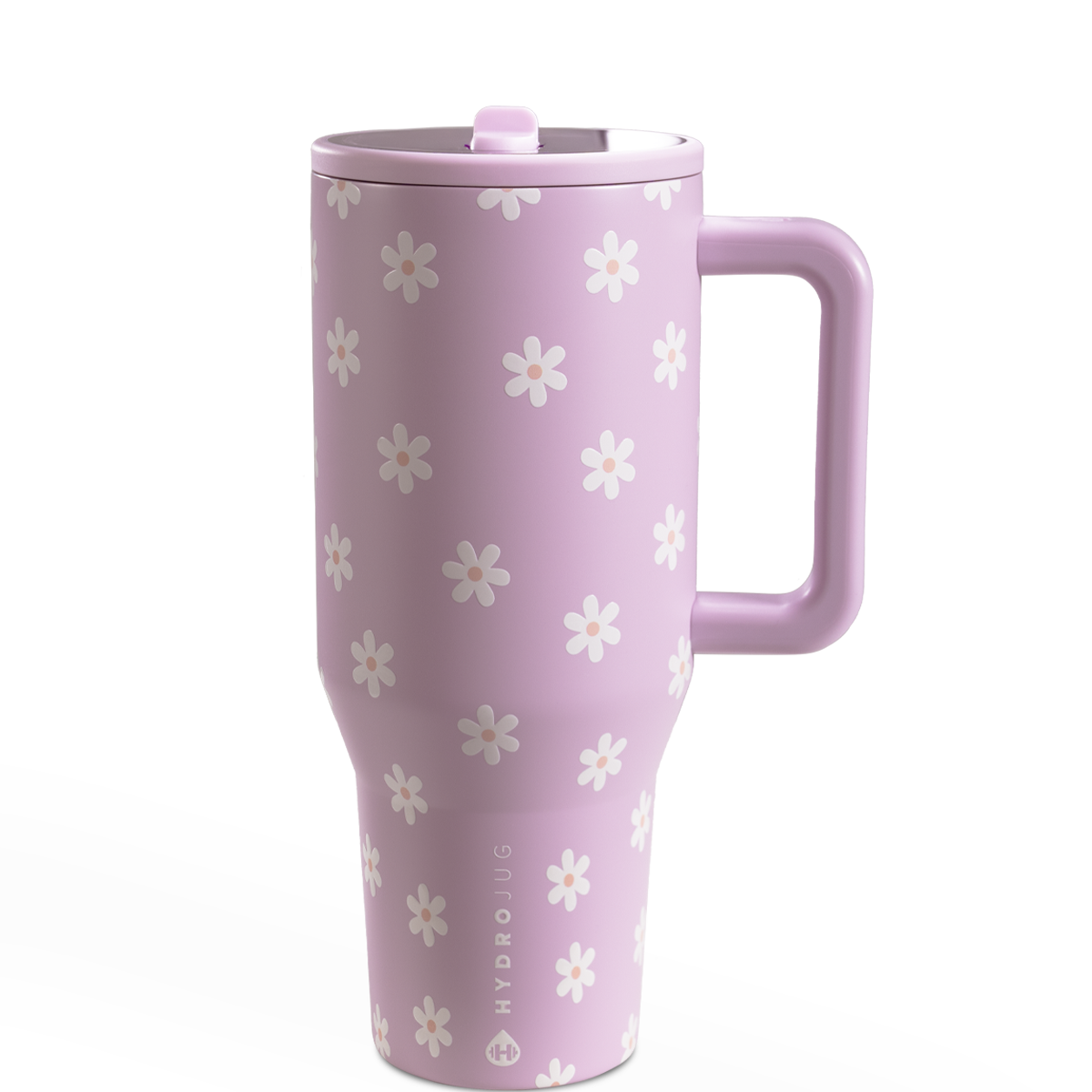
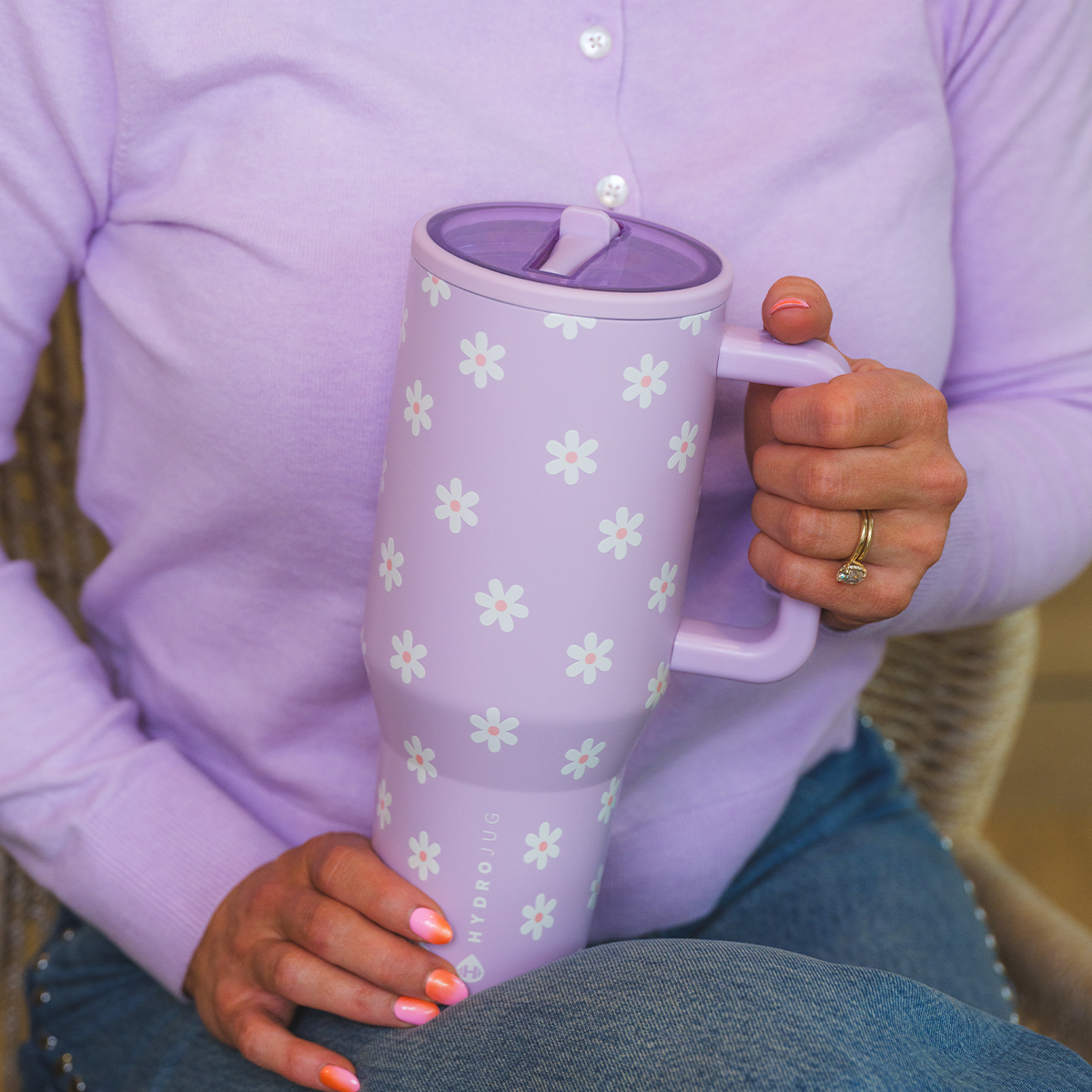
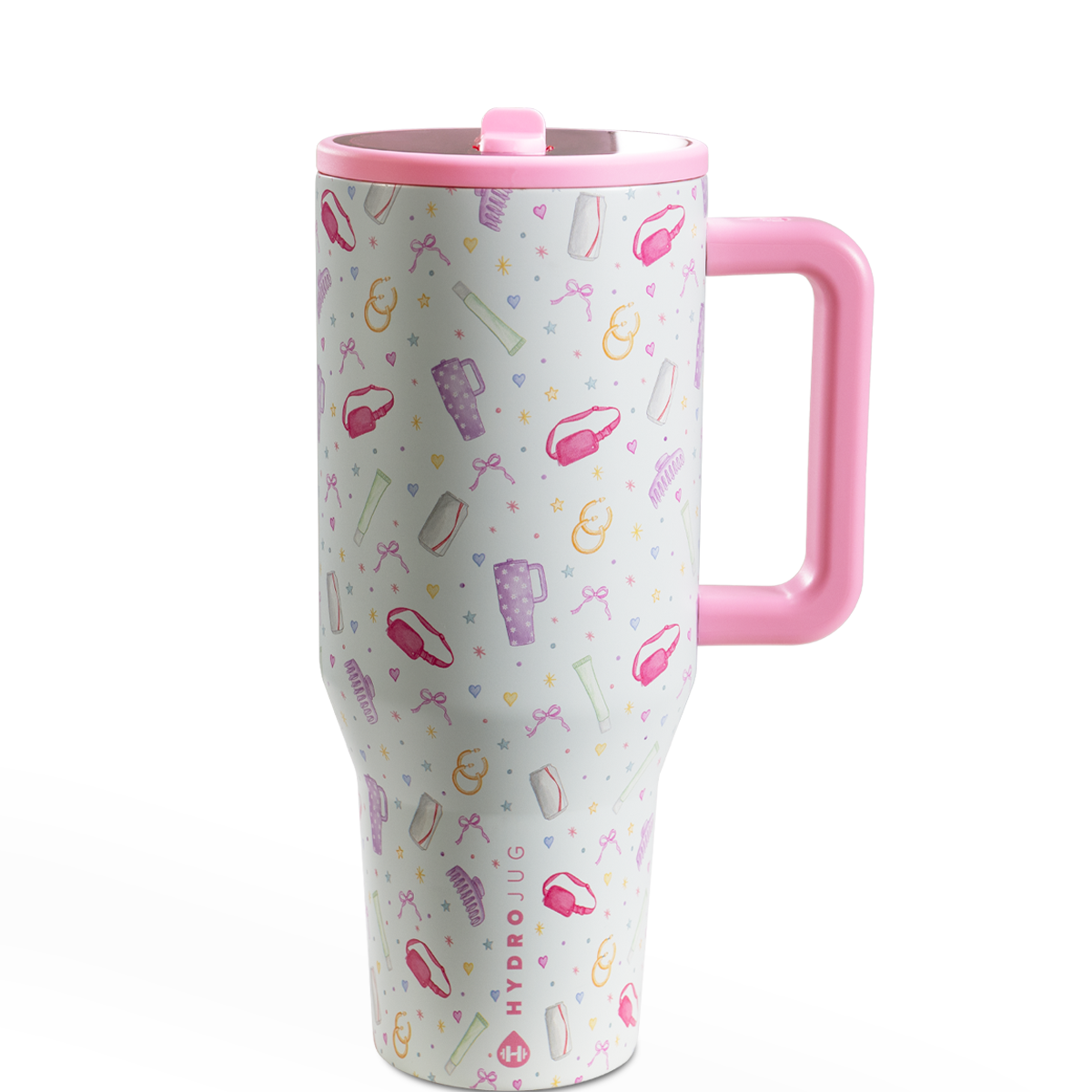
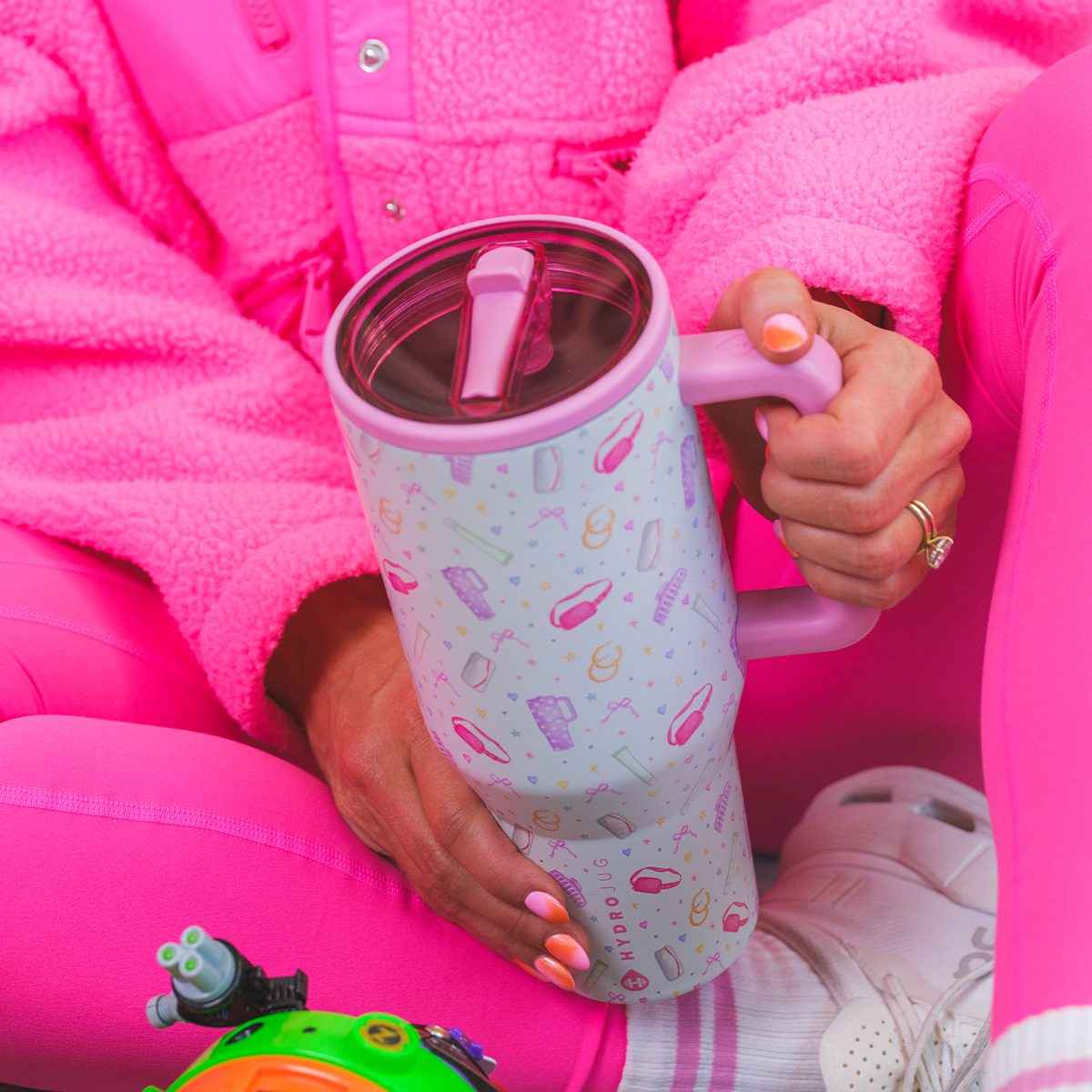
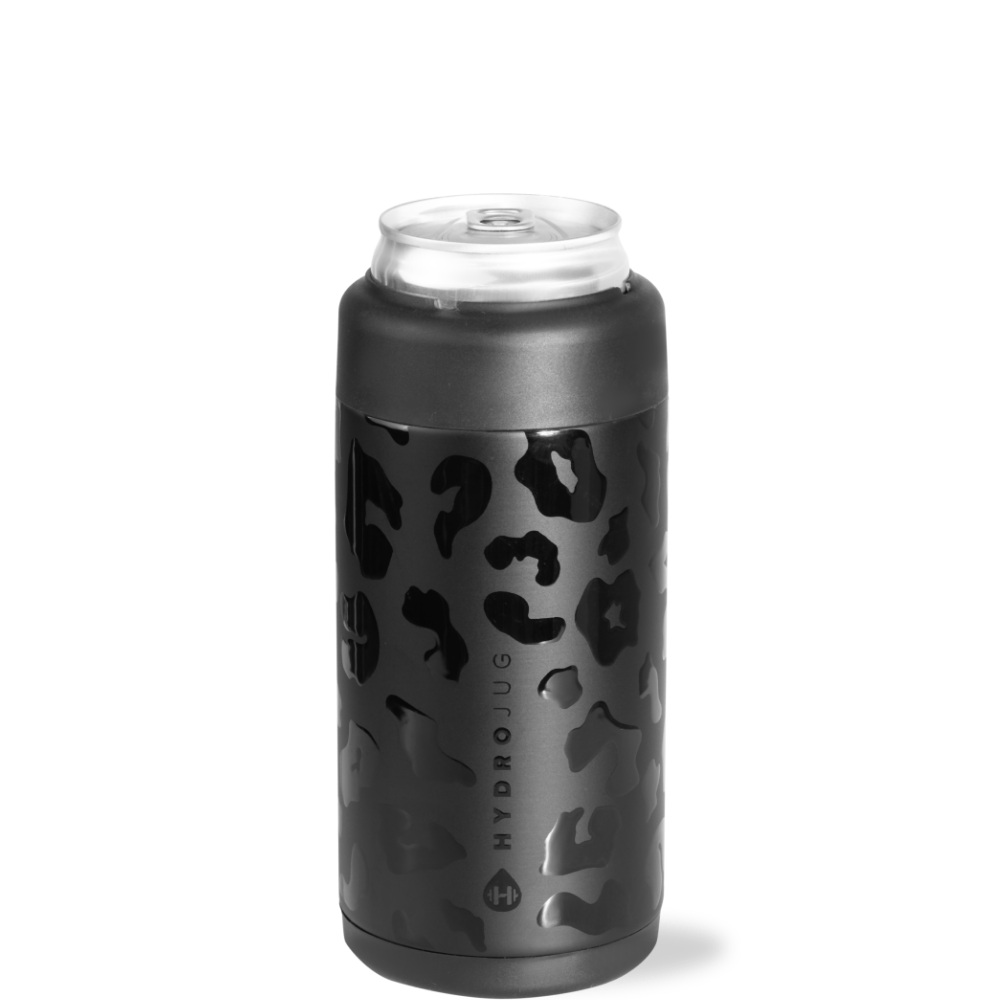
Keep track of how much water you’re drinking. Smartphone apps work, but many people do better with a bottle that helps “measure” the day naturally. If you want something cup-holder friendly for commute season, the HydroJug Traveler is an easy fall staple.
Embrace Warm and Herbal Teas
Warm herbal teas can be comforting and hydrating. Add them into your routine to increase fluid intake – especially in the evening when people tend to forget to drink.
Dress in Layers
Dressing in layers helps you regulate body temperature, which can help prevent unexpected sweating spikes while you’re outdoors. (Less sweating doesn’t mean no sweating – just fewer obvious reminders.)
Be Mindful of Seasonal Treats
Enjoy fall drinks and treats in moderation. A simple strategy: pair them with water. One seasonal drink plus one full bottle of water keeps balance without feeling restrictive.
Staying hydrated in the fall can present unique challenges, but it’s still worth prioritizing. The shift in weather, indoor heating, and seasonal drinks can all affect hydration status. With a few small adjustments, you can stay consistent through the autumn season – without overthinking it.
*The information provided in this blog post is for general guidance. Individual hydration needs may vary, so consult with a healthcare professional if you have specific concerns about your hydration status.