


Best Way To Hydrate Fast
If you’re feeling drained, headachy, or just “off,” it’s normal to want to rehydrate quickly. But the best way to hydrate fast isn’t chugging a huge amount of water – it’s helping your body absorb fluids efficiently without upsetting your stomach or overdoing it.
Here’s how to hydrate fast, safely, and realistically.
What is dehydration?
Dehydration happens when you use or lose more fluid than you take in, and your body doesn’t have enough fluids to function normally.
Signs that you may be dehydrated
Common signs can include:
- Dry mouth
- Dizziness or feeling light headed
- Tiredness
- Dark-colored urine
- Headache
If you’re experiencing any of the above symptoms, you may be dehydrated. Luckily, there are several things you can do to rehydrate quickly.
If you’re training, this list of signs you’re dehydrated while working out is worth checking.
The best ways to hydrate fast
1) Start with steady sips
For mild dehydration, the simplest strategy is often the fastest:
- Take small, frequent sips
- Keep sipping consistently for the next 30–60 minutes
- Avoid downing a huge amount at once (it can cause bloating and nausea)
If you can, sit somewhere cool and take a breather – hydrating feels easier when your body isn’t overheating.
2) Drink an electrolyte mix or an oral rehydration solution (ORS)
Electrolytes like sodium and potassium help maintain fluid balance, and they’re most useful when you’ve lost a lot through sweat, heat, or illness.
If dehydration is from vomiting or diarrhea, an oral rehydration solution (ORS) is often a better choice than plain water because it’s designed to replace fluids and electrolytes in the right balance. Guidance also recommends taking ORS in small, frequent sips if your stomach is sensitive.
3) Eat something salty
This works similarly to electrolyte drinks: salt can help your body hold onto water and may make it easier to drink fluids steadily. A salty snack and water can be a simple combo after heavy sweating.
4) Eat hydrating foods
Hydration isn’t only about liquids. Fruits and vegetables hold a lot of water, so eating them can help you rehydrate too. Some of the most hydrating fruits and veggies include:
- Watermelon
- Lettuce
- Cucumber
- Tomato
- Oranges
- Strawberries
Soups or broths and yogurt can help too – especially when you’re trying to bounce back after a rough day.
5) Know when to slow down
Drinking too much water too quickly can cause stomach discomfort, nausea, or headache – and in rare cases, excessive water intake can dilute sodium levels (hyponatremia).
The safer move is almost always steady sipping.
6) IV drip (only when it’s truly needed)
IV fluids are typically used when someone is severely dehydrated or can’t keep fluids down – usually in a medical setting. If you feel like you might need IV fluids, it’s best to get evaluated by a healthcare professional.
7) Have a water bottle with you at all times
The easiest way to ensure that you’re never dehydrated is to keep water with you – consistently.
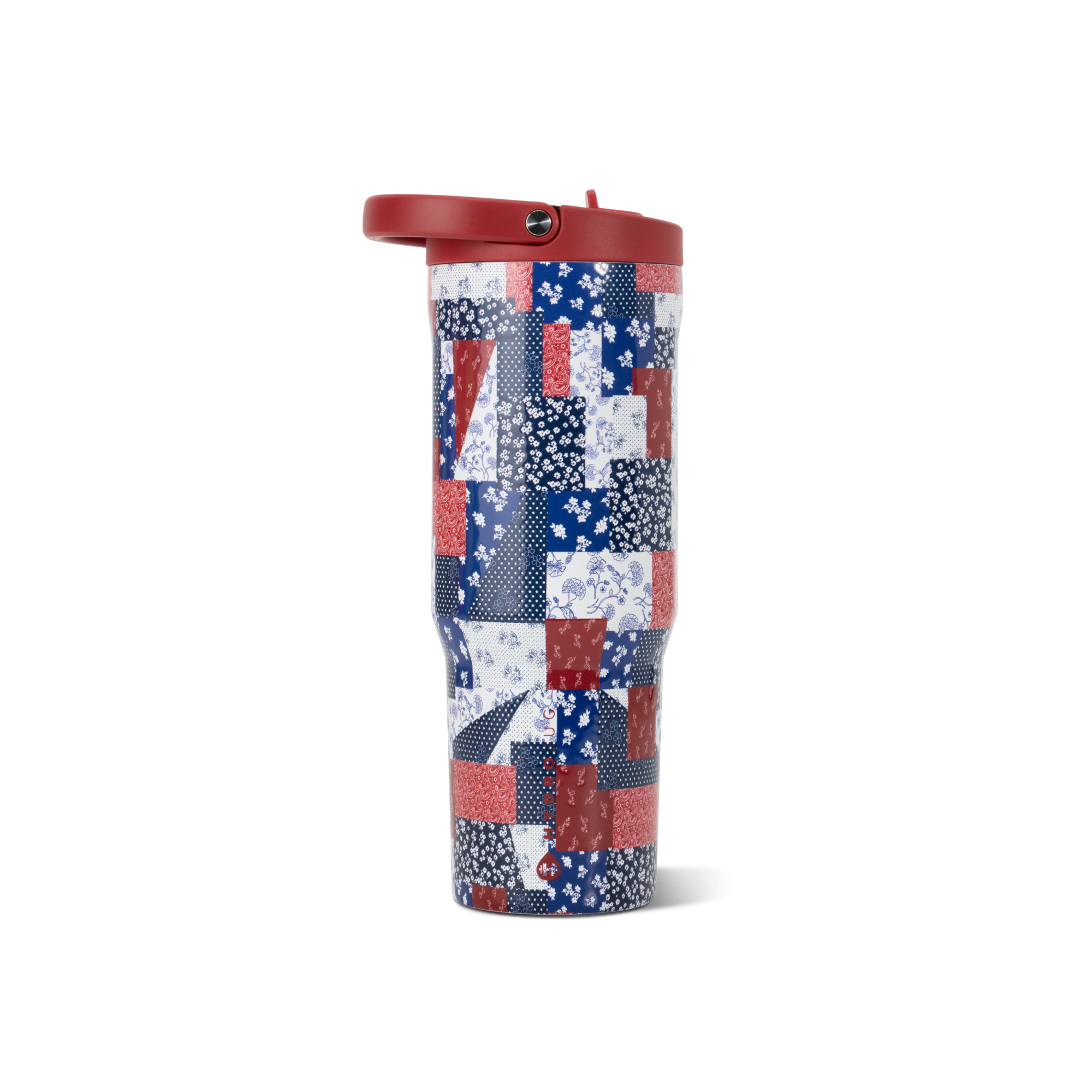
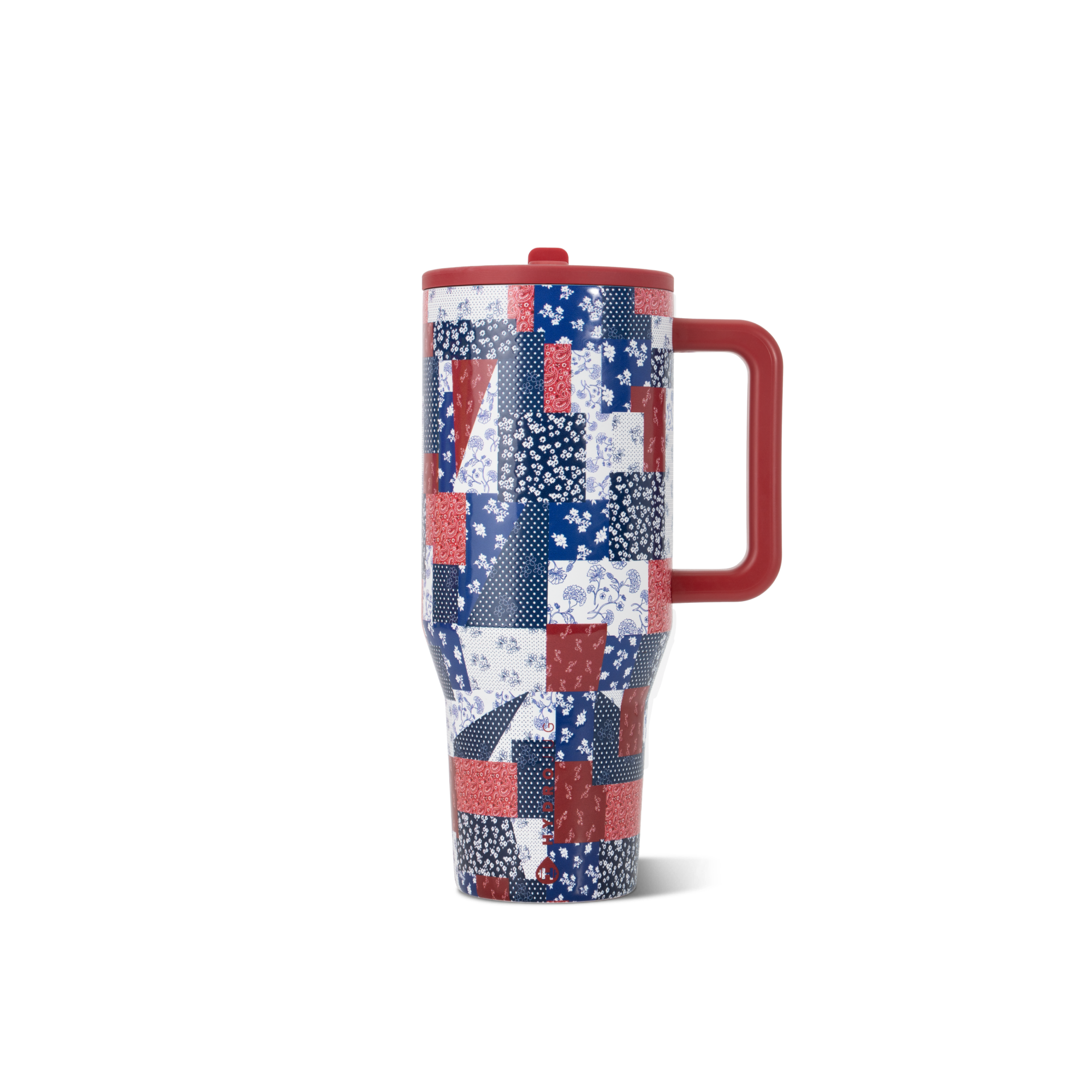
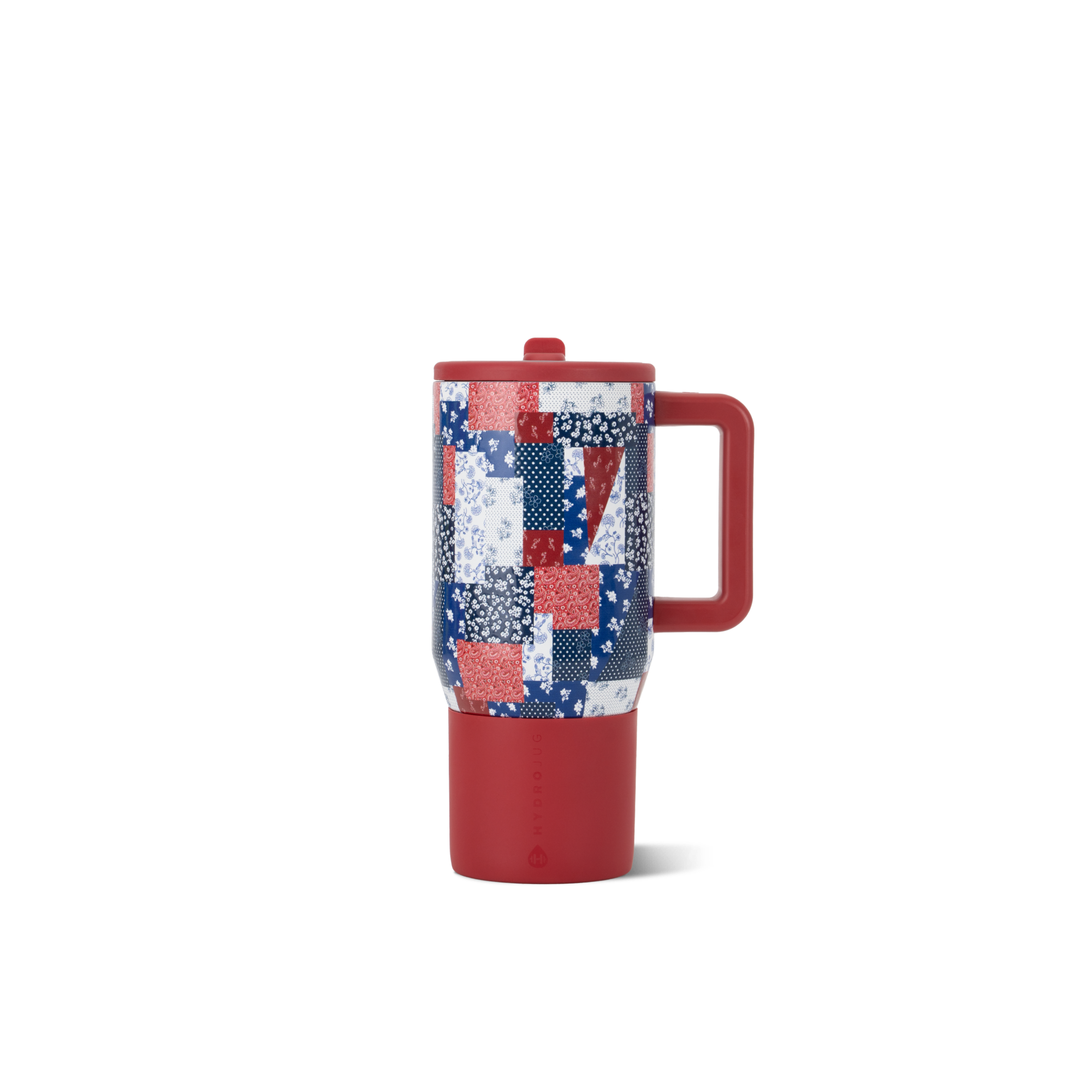
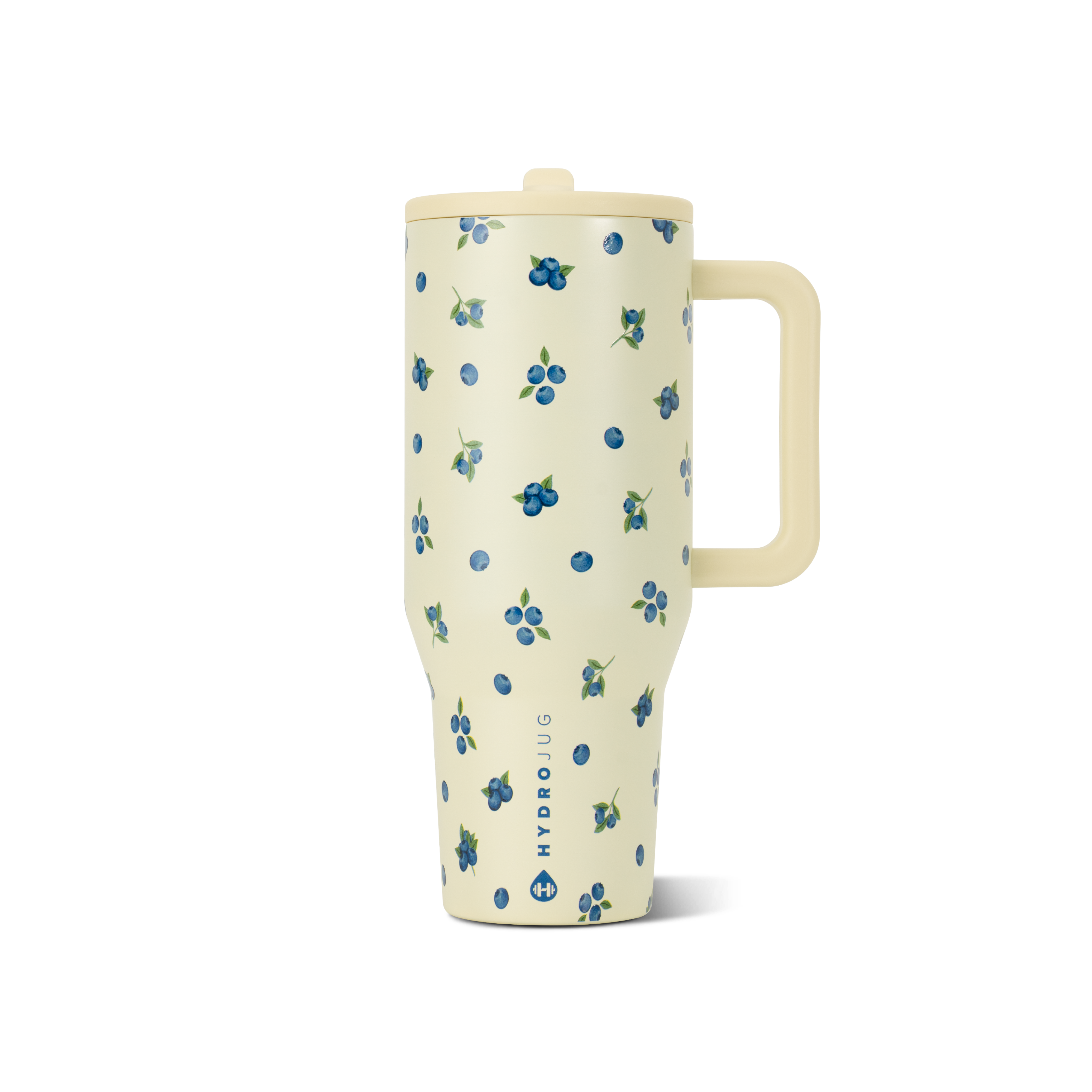
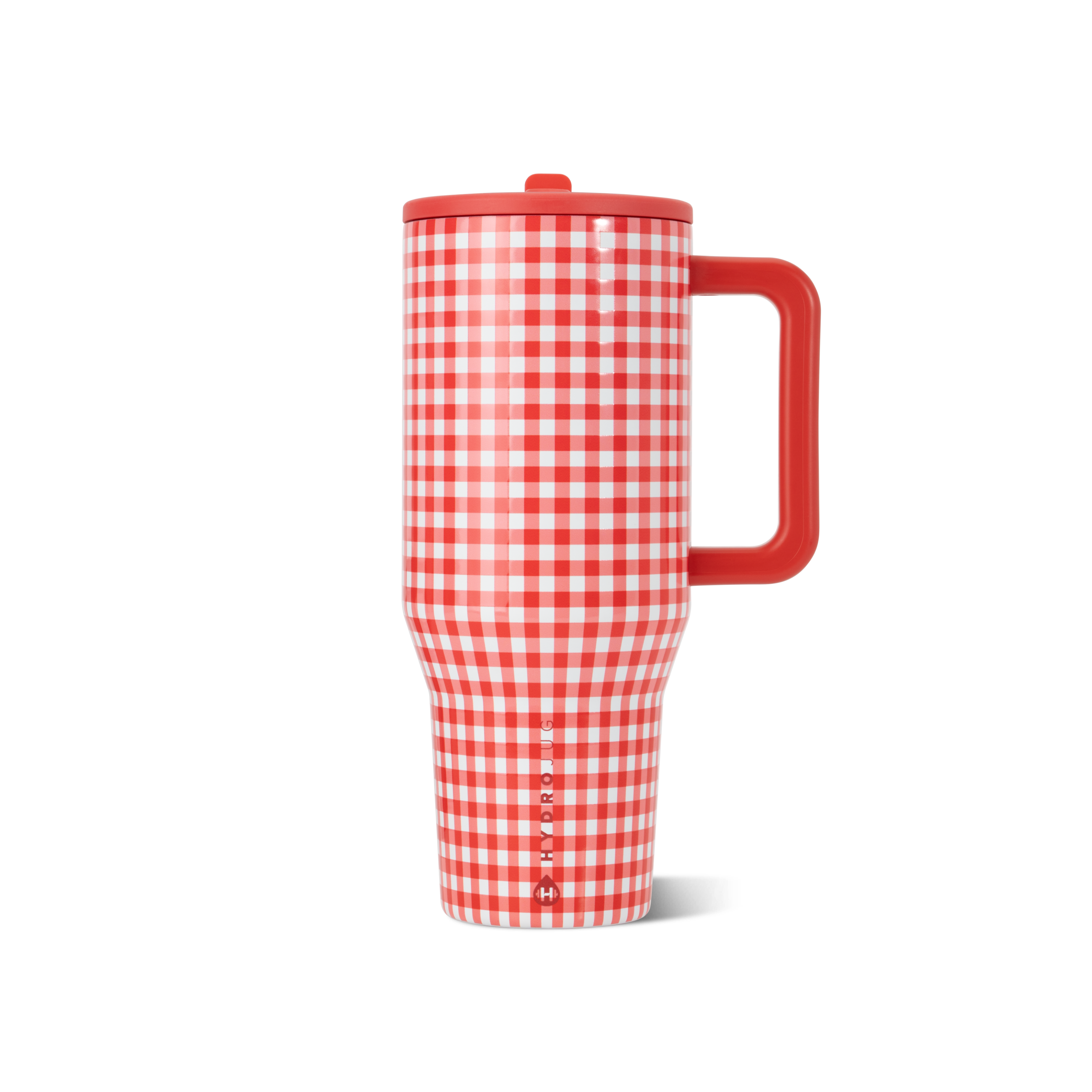
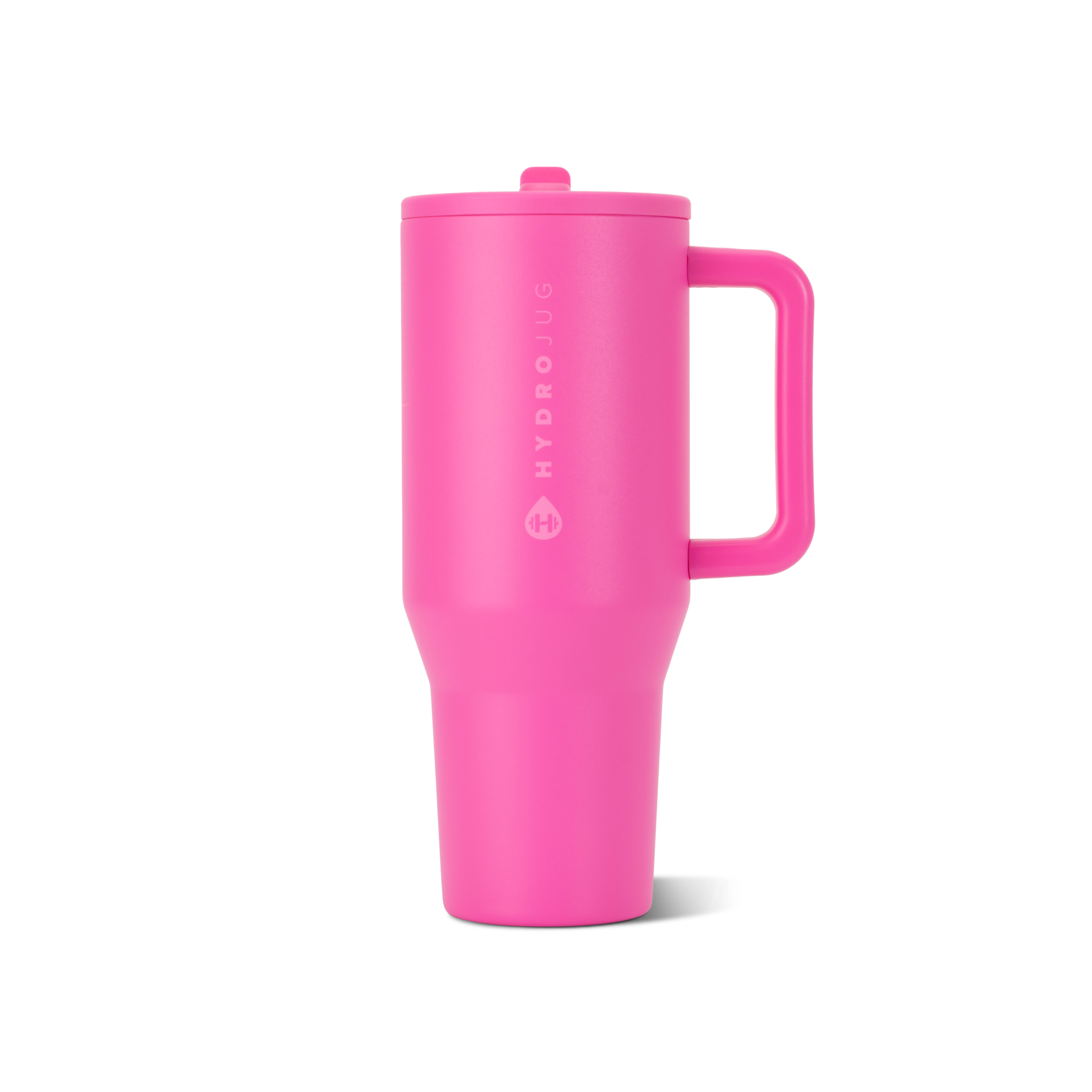
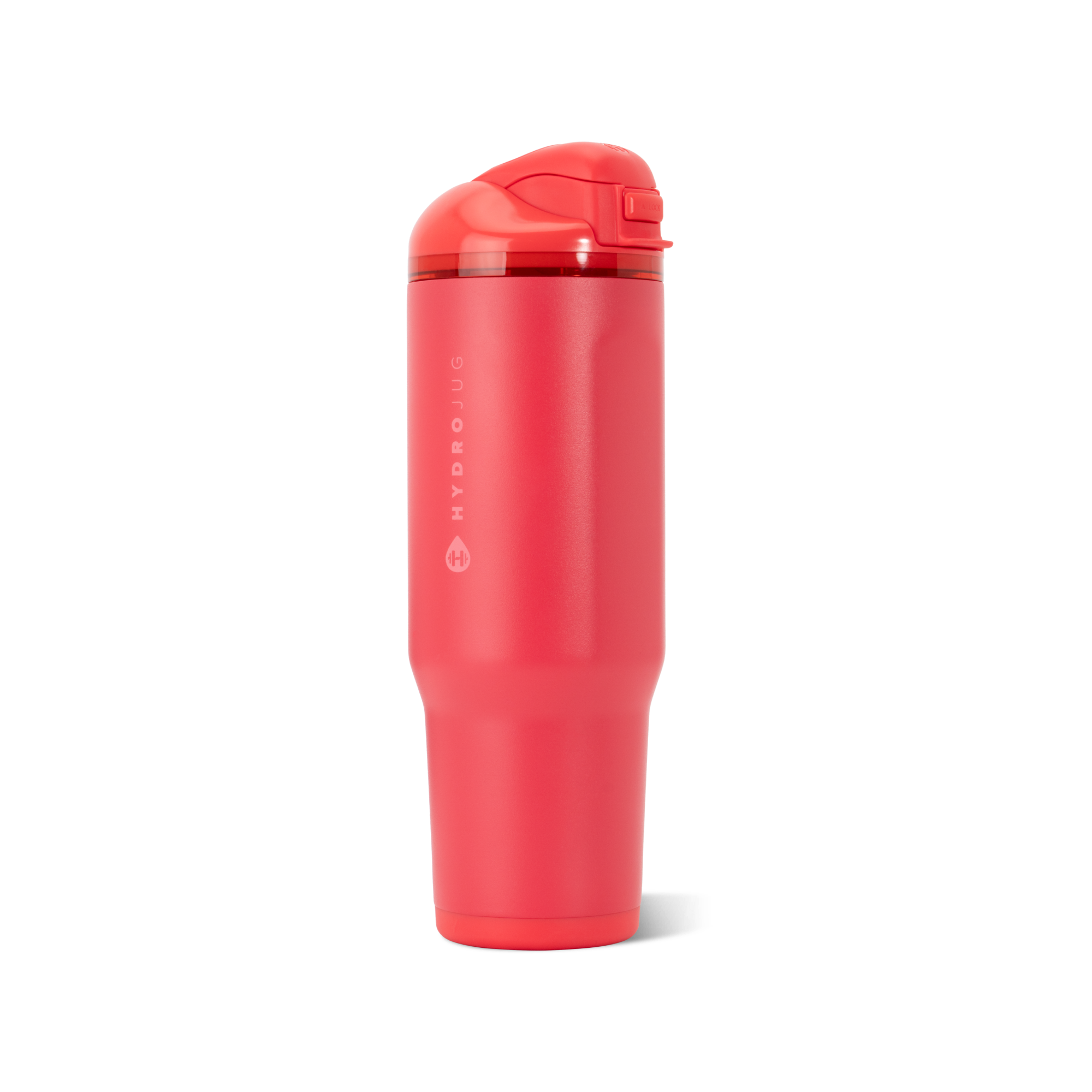
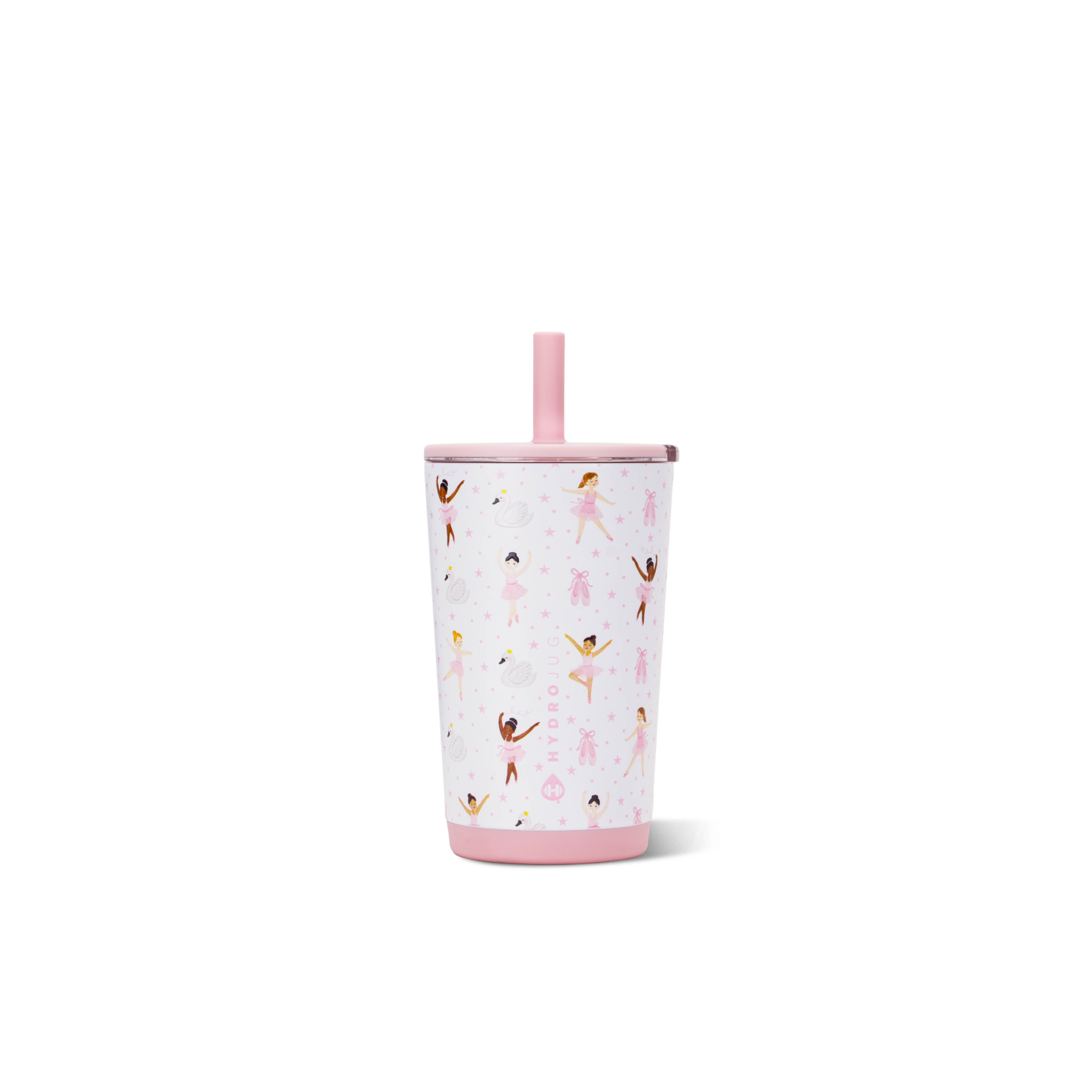
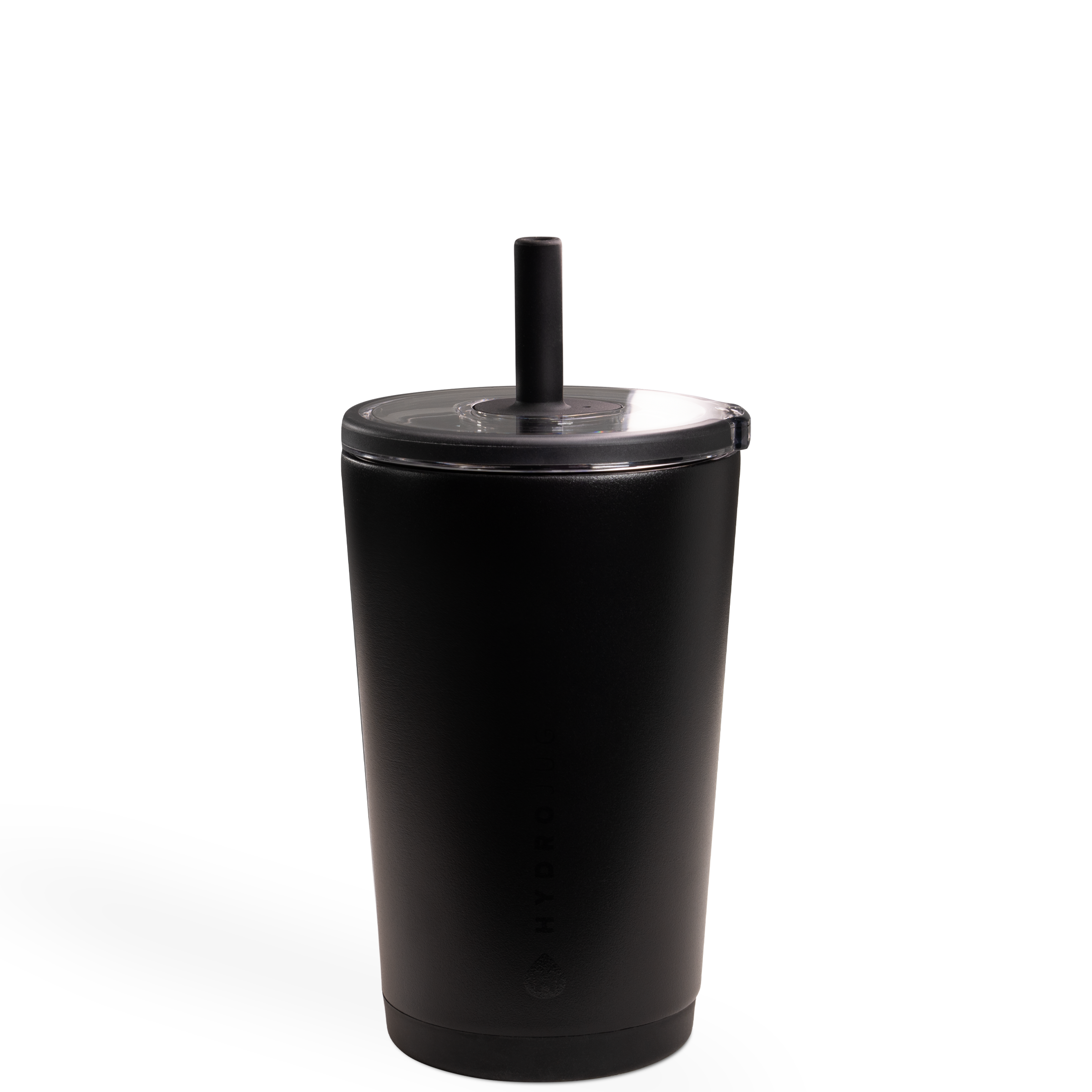
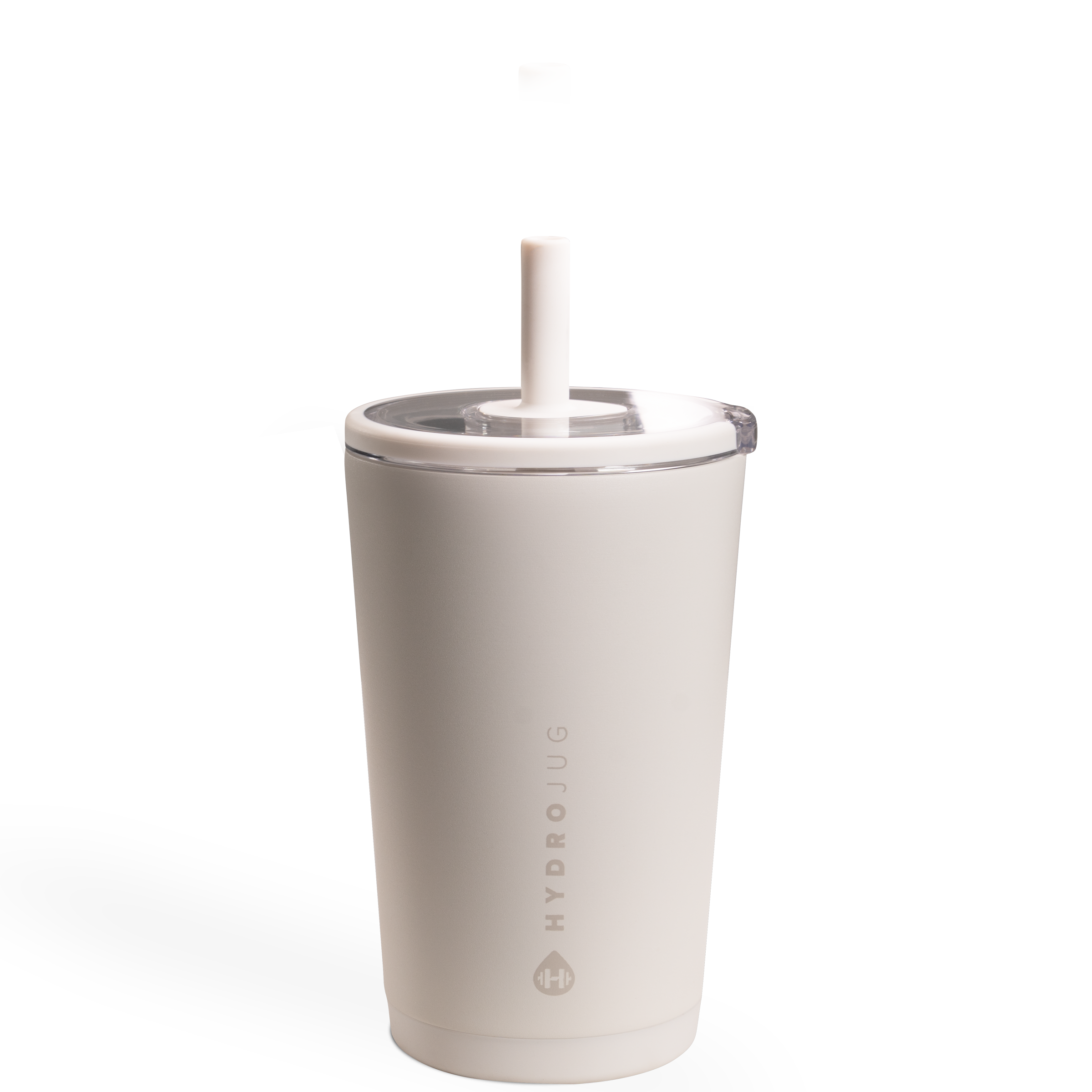
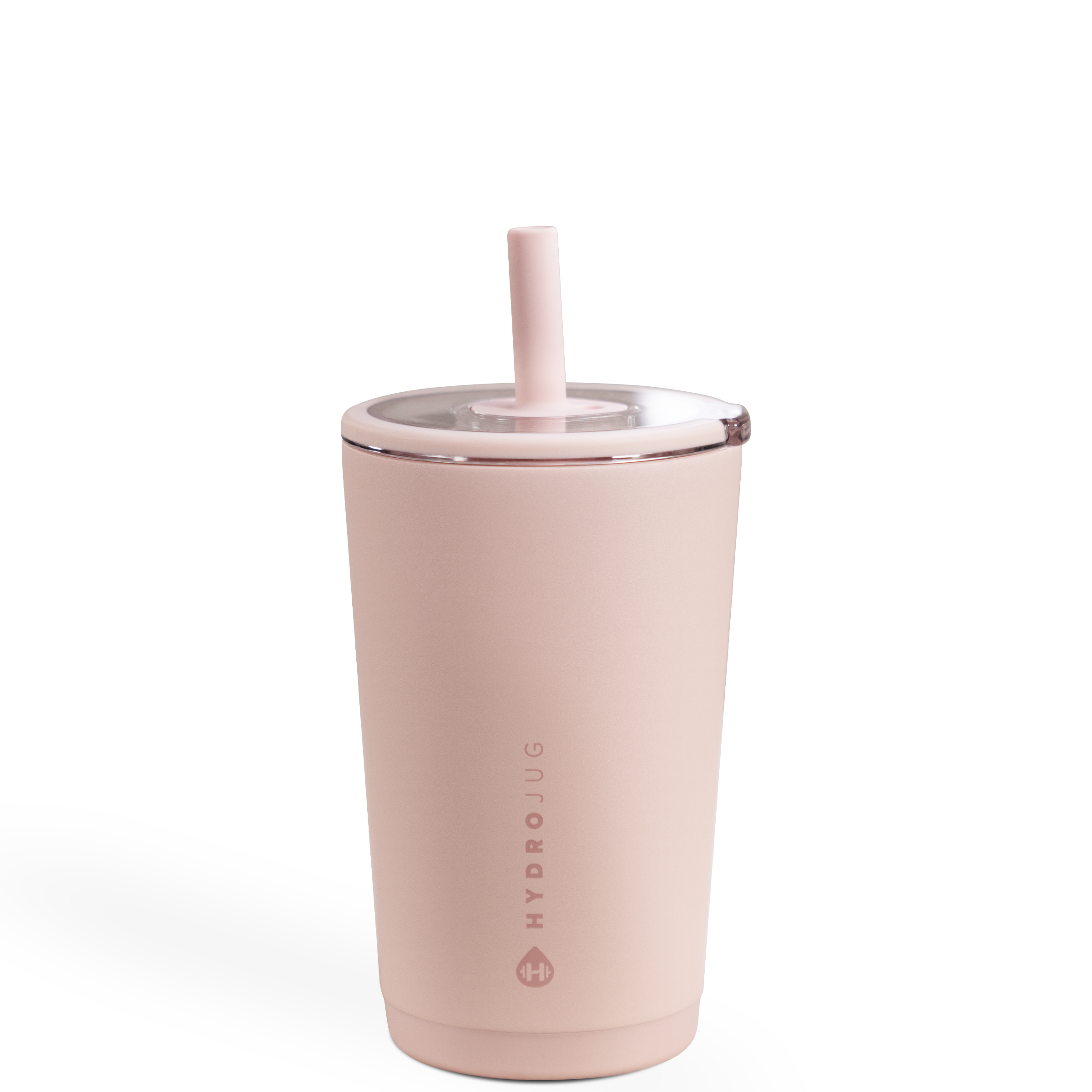
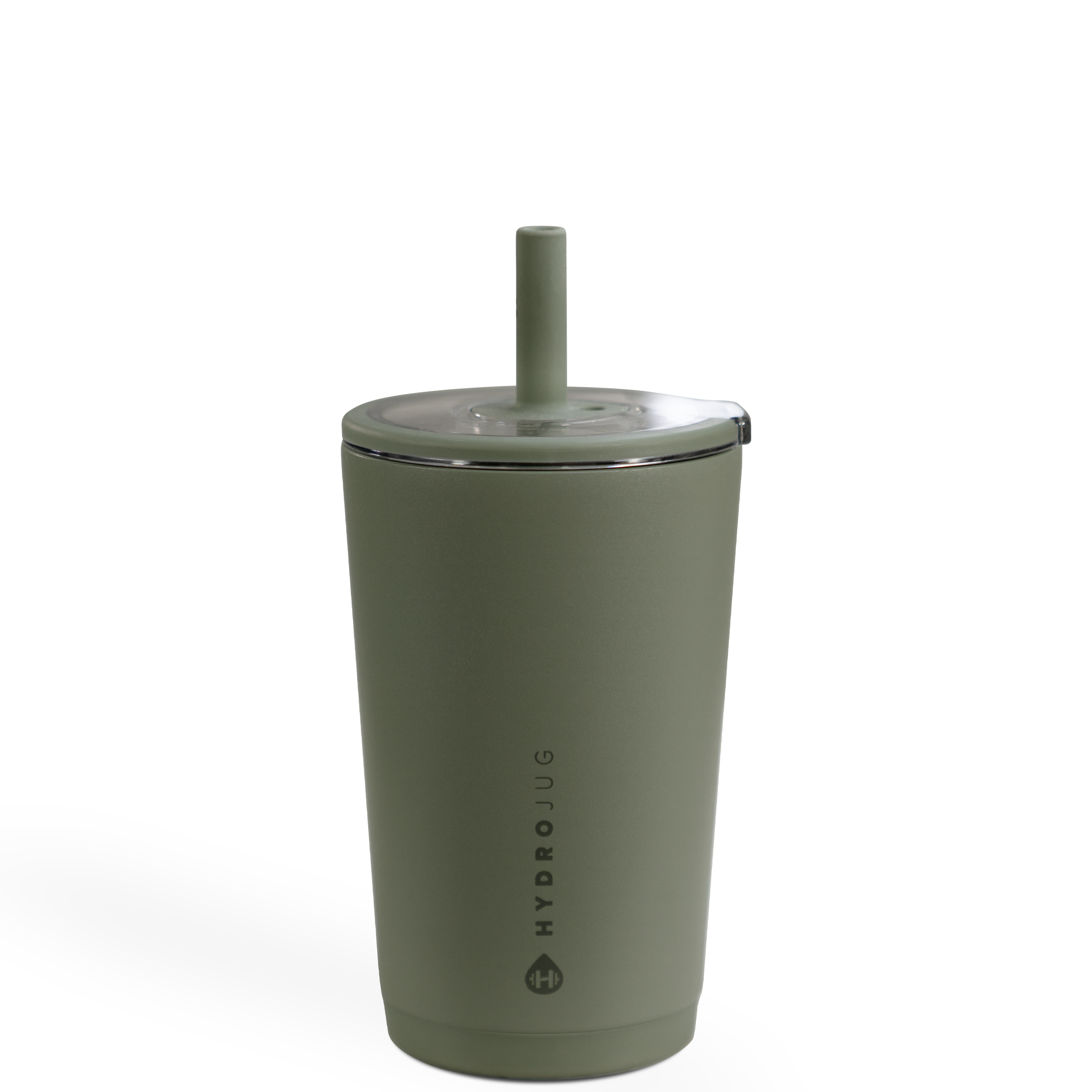
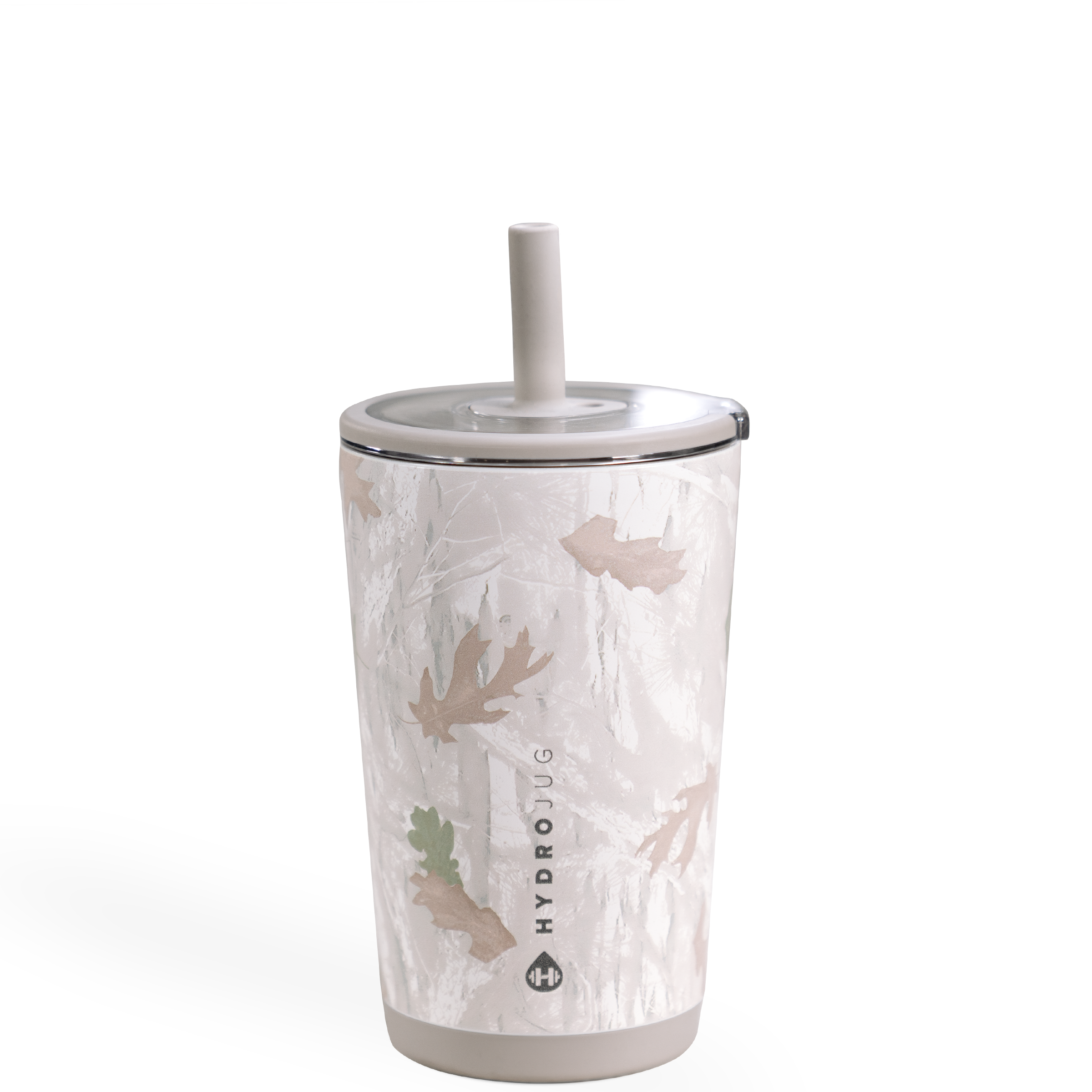
HydroJug offers a range of reusable bottles and jugs (including smaller Sport sizes and larger options like the 73oz Pro Jug and 64oz Sport Jug) plus accessories that make drinking water easier than ever.
If you want fewer refills during the day, the Pro Jug V2 (73oz) is a go-to. And if you prefer cold water that stays cold, the Sport 64oz Stainless Jug is an easy upgrade for hot days and long sessions.
One of our favorite tips: fill your HydroJug at night and put it in the fridge so you have cold water ready in the morning.
Watch for “not normal” symptoms
Get medical help if you:
- Can’t keep fluids down
- Feel confused, faint, or extremely dizzy
- Have signs of severe dehydration (very low urination, rapid heartbeat, severe weakness)
- Have ongoing vomiting or diarrhea
The fastest way to hydrate is also the safest – steady fluid intake, supported by electrolytes when appropriate. Prevention and routine matter more than speed.